
New construction in Haymarket, VA is concentrated around some of the busiest residential growth corridors in northwest Prince William County. For buyers moving into a newly built home or townhome, the move is often different from a standard resale move. Closing dates can shift, roads may still be under builder control, and nearby homes may still be in active construction.
That makes planning especially important. A new build may look complete at the final walk-through, but the surrounding community can still have construction crews, temporary barriers, unfinished sidewalks, HOA procedures, and delivery rules that affect how a moving truck reaches the home.
At Dan’s Van Lines, we help homeowners and renters move throughout Northern Virginia, including Alexandria and surrounding communities, with more than 25 years of moving experience. If you have questions while planning a new-build move, you can reach out to our team for guidance on timing, access, packing, storage, and move-day coordination.
New construction in Haymarket, VA is clustered around I-66, U.S. 15, and nearby Gainesville
Haymarket sits along the I-66 and U.S. 15 corridor, also known as James Madison Highway. This area has become a major focus for residential development in northwest Prince William County because it connects to commuter routes while remaining near the foothills of the Blue Ridge Mountains.
For people moving into new developments, that location matters. Many communities are within a few miles of the I-66 exits serving Haymarket and Gainesville. That makes the area convenient, but it also means construction traffic, delivery vehicles, and new residents may all be using the same roads at the same time.
One of the most active areas is the corridor between Heathcote Boulevard and James Madison Highway, just north of I-66. This area has seen multiple rezonings and approvals for higher-density residential projects, including age-restricted villas and condominiums. The proposed Haymarket Crossing II project includes 334-unit Haymarket Crossing II, with 125 condominiums and 209 villa townhome units for residents 45 and older.
North of town, the Lightner Road and U.S. 15 area has also been targeted for larger mixed-residential communities. In one case, Prince William County planners recommended approval of 222 single-family homes on approximately 70.6 acres off Lightner Road, across from Mountain View Elementary School. The original proposal included more lots, but planners removed 15 to preserve additional open space.
To the south and east, broader Prince William County development activity extends into Gainesville and nearby communities. Major builders active across Gainesville and Haymarket include Ryan Homes, Van Metre, Stanley Martin, Maronda, Beazer, and Toll Brothers. The county has been described as a new-construction powerhouse, with townhomes, condos, and single-family homes being delivered in master-planned communities with shared amenities.
New townhomes in Haymarket, VA often come with HOA rules, shared access, and active construction nearby
Buyers searching for new townhomes in Haymarket, VA will find a mix of attached and detached housing options. Recent data shows that Haymarket has 2 new home communities, all low-rise, either planned, under construction, or recently completed. The same data identifies 1 dedicated townhouse community offering 6 floorplans, along with 2 single-family home communities.
The most active developer in Haymarket is Del Webb, which is associated with active-adult and low-maintenance communities. This is important from a moving standpoint because active-adult and HOA-managed communities often have structured move-in procedures. These may include approved delivery windows, truck registration, and rules for protecting common areas.
Pricing and inventory also suggest that many buyers moving into new construction in Haymarket are making significant investments. One analysis reports an average new home price of about $624,632, with a median townhouse new-home price around $837,588 and a median condo price of roughly $504,276. Detached new homes carry a median price near $724,990, with about 418 new construction homes planned and 2 active new-home communities in the immediate area.
Specific listings give a clearer picture of what new townhome move-ins can involve. In the Silver Lake neighborhood, a newly built townhome at 6097 Azurite Way was listed in late 2025 at $669,990, with HOA fees of $260 per month and construction completed in 2025. Another townhome in Heathcote Village, at 5927 Sunstone Lane, was listed for $709,990 with similar HOA fees and an active-adult focus.
These examples point to several practical moving concerns. New townhomes may have two or three levels, attached garages, rear-load garage access, narrow stairwells, and HOA-managed common areas. Even when a home itself is ready, the street, alley, or neighboring lots may still be part of an active building phase.
Townhome layouts can change the way furniture is moved
Many new townhomes in Haymarket include modern layouts with open-concept main levels, upper-level bedrooms, finished basements, and sizable primary suites. Listings under the 20169 ZIP code include new-build homes with 3 bedrooms and 3 bathrooms, often with square footage in the 2,600 to 3,700 range.
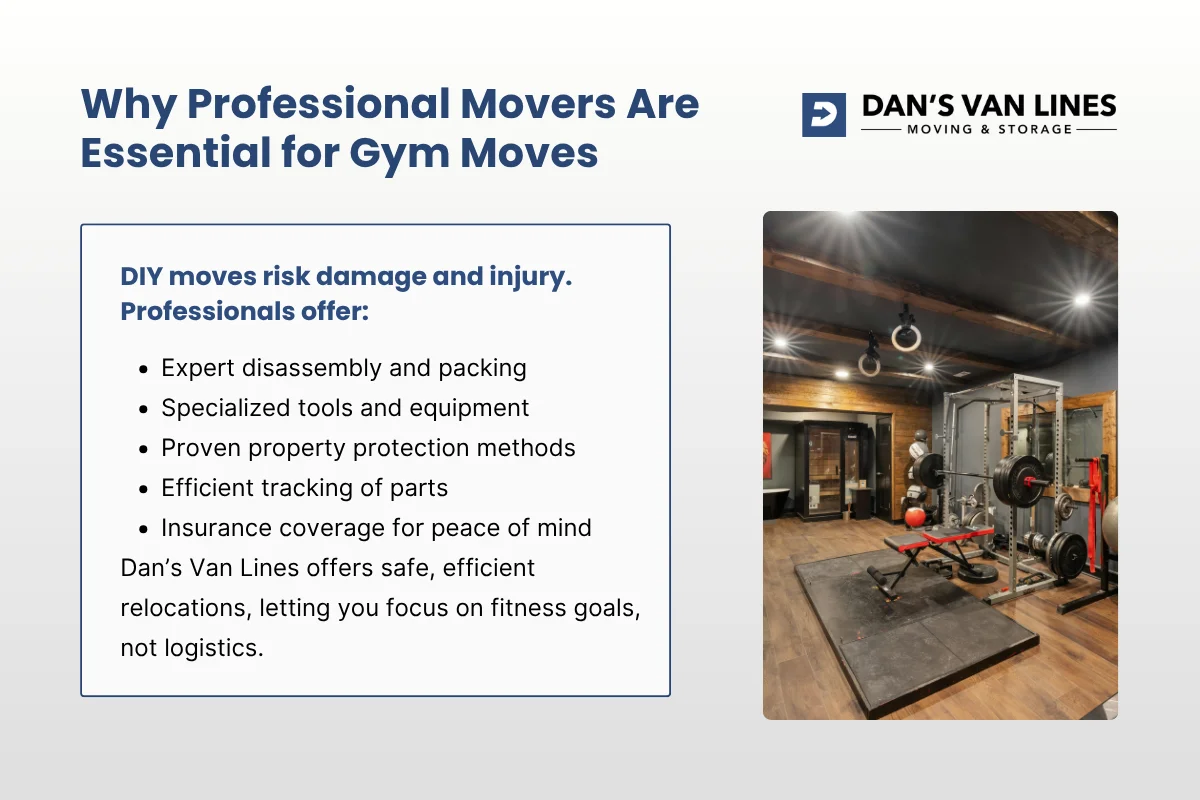
For movers, square footage is only part of the planning process. The number of levels, stair turns, railing placement, and garage access can matter just as much. Large sectionals, bedroom sets, dining tables, desks, and exercise equipment may need to be wrapped, angled, disassembled, or routed through a specific entrance.
Rear-load garages and alley access can also affect the move. If the garage faces a narrow alley or if construction materials are staged nearby, a large moving truck may not be able to park directly behind the home. In that case, movers may need to use a smaller shuttle truck or carry items farther from a legal staging area.
New-build move-in timelines around Haymarket can shift until inspections and closing are final
Moving into a new build is usually tied to the builder’s construction schedule, county inspections, lender requirements, and final settlement. Buyers often begin with contract signing, structural and design selections, pre-construction meetings, framing and pre-drywall inspections, and a final walk-through before settlement.
That sequence can take time, and the final date may not be firm until late in the process. Builder guidance described in the research indicates that buyers may receive a firm closing date only after key inspections and lender conditions are met, often 2 to 3 weeks before settlement.
In phased townhome communities, closings can be staggered across weeks or months. One block may have residents moving in while nearby homes are still being framed, inspected, landscaped, or finished. This creates overlap among homeowners, construction crews, inspectors, trade contractors, and moving trucks.
Schedule changes are also realistic. Weather, supply chain issues, inspection delays, regulatory steps, and pending community infrastructure can affect timing. Even after a home passes final inspection, buyers may still see unfinished sidewalks, temporary road conditions, pending punch-list items, or construction barriers in the surrounding area.
A flexible move plan should account for target dates and final dates
When a closing is months away, buyers may only have a target month or target week. That can make it difficult to schedule movers, travel, lodging, furniture deliveries, and lease or sale deadlines for a prior residence.
The safest planning approach is to separate early preparation from final scheduling. Buyers can estimate the size of the move, gather packing materials, inventory belongings, and discuss storage options before the date is fixed. Then, once inspections and settlement timing are clearer, the move can be finalized around the confirmed access window.
This is the point where an experienced mover is especially useful. For new-build moves, Dan’s Van Lines can help customers think through timing, possible storage needs, and access issues before move day, then adjust the plan when the builder or settlement schedule becomes more certain.
Builder walk-throughs should include move-day access, flooring protection, and punch-list planning
Before furniture delivery, buyers should complete the builder walk-through or homeowner orientation. This typically occurs a few days to a week before closing in many new-build processes. During this meeting, the builder or site superintendent reviews home systems, demonstrates appliances, and records visible defects or unfinished work for the punch list.
The walk-through is also the best time to look at the home through a move-day lens. Floors, walls, stairwells, railings, corners, doorways, and garage entries will all see heavy traffic when furniture and boxes arrive. If there are existing scratches, paint issues, gaps, or unfinished areas, buyers should flag them before the move.
Utility readiness should be checked before delivery as well. Electric, water, and gas services are usually active for inspections and final construction, but the accounts must be transferred into the buyer’s name by closing. Internet and cable availability should also be verified in advance, especially in a developing neighborhood where providers may still be wiring the area.
Basic lighting and climate control make move-in easier and safer. They also protect furniture and help crews work efficiently during hot or humid conditions. If utilities are not active or if an installation appointment conflicts with move day, the buyer may need to revise the schedule.
Flooring protection should be confirmed before the truck arrives
New-home care guidance often recommends runners, cardboard, or plastic sheeting over hardwoods and carpet during move-in. Some builders provide protection, while others expect the buyer or moving contractor to bring it. In condominiums, villas, or townhome buildings with shared halls or elevators, protective materials may be required.
Buyers should not wait until move day to ask about these rules. Builder requirements, HOA policies, and property manager expectations should be confirmed before the truck is loaded. That prevents delays and helps protect the home from preventable scratches, stains, and dents.
Useful questions to ask before delivery include the following. These questions help buyers connect the builder’s requirements with the moving company’s preparation. They also reduce the chance that a crew arrives without the materials or documentation needed to begin unloading.
Does the builder require floor runners, carpet shield, masonite boards, or door jamb protection?
Are there specific areas where moving crews are not allowed to enter?
Can the moving truck park in front of the home, in an alley, or only in a designated staging area?
Are sidewalks, driveways, or garage aprons fully ready for heavy foot traffic?
Will any punch-list contractors need access to rooms where furniture is being placed?
Are there HOA forms, certificates of insurance, or move-in reservations required before delivery?
Movers coordinate with builders and site managers before entering active construction zones
Active construction zones require more coordination than finished neighborhoods. In many new communities, builders may still control roads within a phase until the county accepts them. They may also restrict heavy vehicles to certain routes, block off areas under inspection, or keep trucks away from unpaved sections to protect grading and utilities.
That means the shortest route to the front door may not be the approved route. A builder or site superintendent may direct moving trucks to enter through a specific road, stage in a specific location, or avoid certain curbs where materials, dumpsters, or equipment are present.
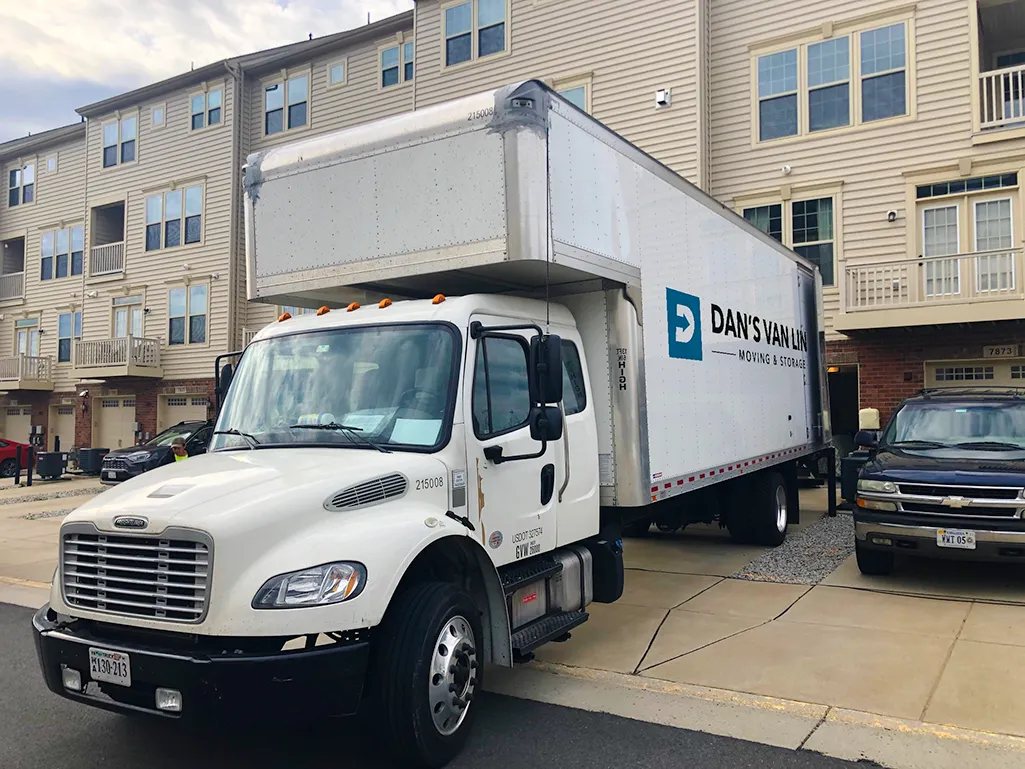
In townhome communities, parking can be especially limited. Rear-load garages, narrow streets, temporary barriers, dumpsters, construction trailers, and curbside materials can reduce the space available for moving trucks. If several households close around the same time, more than one moving crew may be trying to access the same block.
HOA-managed communities may require move-in reservations and documentation
Age-restricted and amenity-rich communities such as Heathcote Village may have move-in rules from the first day residents arrive. Listings emphasize amenities like clubhouses, pools, and pickleball courts, which are typically managed through structured community rules.
Buyers should expect that the HOA or community manager may control move dates, delivery times, truck parking, and common-area protection. Some communities may only allow move-ins during weekday business hours or may restrict weekend deliveries to reduce disruption.
Documentation can also be required before access is granted. The exact requirement depends on the community, builder, or property manager, but buyers should be prepared to ask early. Missing paperwork can delay a move even if the home itself is ready.
Proof of insurance from the moving company
A certificate of liability naming the HOA or builder when required
A completed move-in reservation form
Truck registration information for gatehouse or site access
Approved delivery date and time window
Elevator, hallway, or common-area protection requirements for condo-style buildings
These details are easier to handle several days before the move than on the morning of delivery. Buyers should ask the builder, superintendent, HOA, or community manager who must approve the move and what documents are needed.
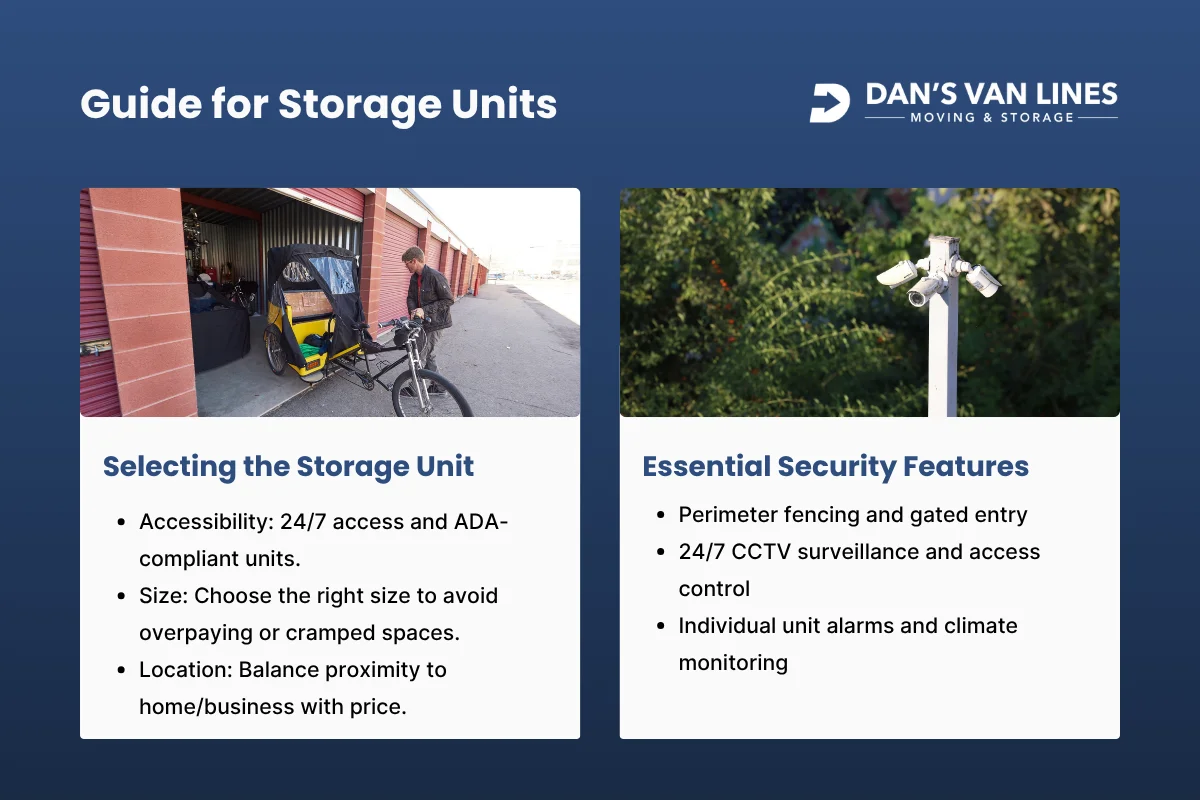
Storage can protect your schedule when a Haymarket new-build closing changes
New construction schedules can change even when everyone involved is working toward the same target date. In Haymarket and Prince William County, hundreds of units may be in the pipeline at any time. Projects such as Haymarket Crossing II, the Lightner Road rezoning, and the proposed Grayson Overlook concept show how residential development can move through multiple planning, approval, and construction stages.
For buyers, the practical issue is simple. A prior home sale, apartment lease, school calendar, or long-distance relocation may be tied to a firm deadline, while the new home’s closing date is still dependent on inspections, appraisals, utilities, builder work, or final sign-off.
Storage can bridge that gap. When household goods need to leave one home before the new Haymarket home is ready, a mover-operated storage option allows belongings to be loaded, stored, and delivered when occupancy is possible. This can be especially helpful for families staying in temporary housing while they wait for the final closing date or for key punch-list items to be completed.
Storage can also be useful after closing. If painters, cabinet installers, flooring work, or drywall repairs still need access, residents may choose to bring in essential furniture first and delay non-essential items. A staged delivery can reduce congestion in narrow townhome stairwells and make it easier for trades to finish their work.
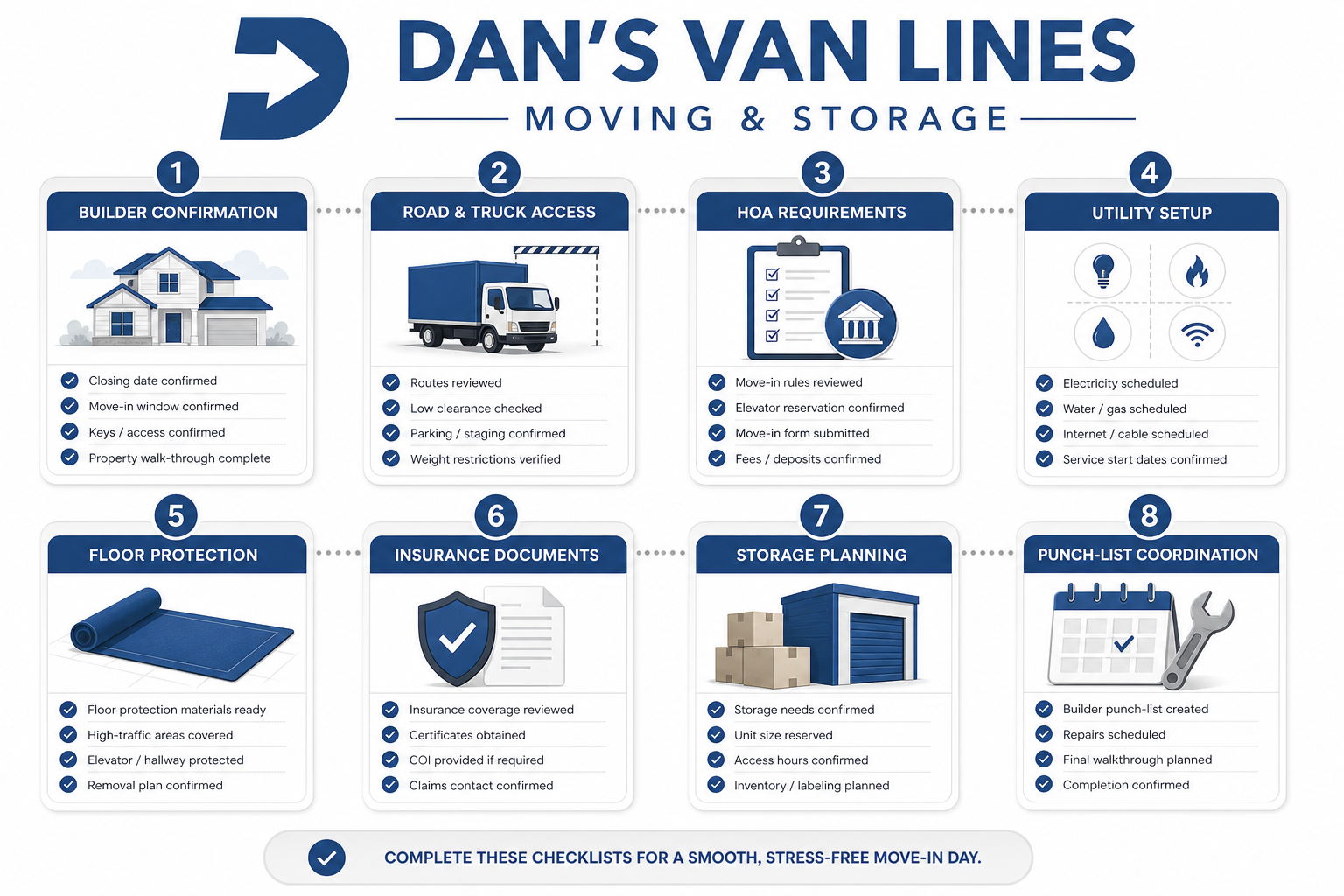
A new construction moving checklist for Haymarket buyers
A new-build move becomes easier when buyers treat the home, the builder, the HOA, and the moving company as part of the same schedule. The goal is not just to arrive on settlement day. The goal is to make sure the truck can legally park, the crew can safely unload, the home is protected, and the buyer is not caught between closing delays and fixed moving deadlines.
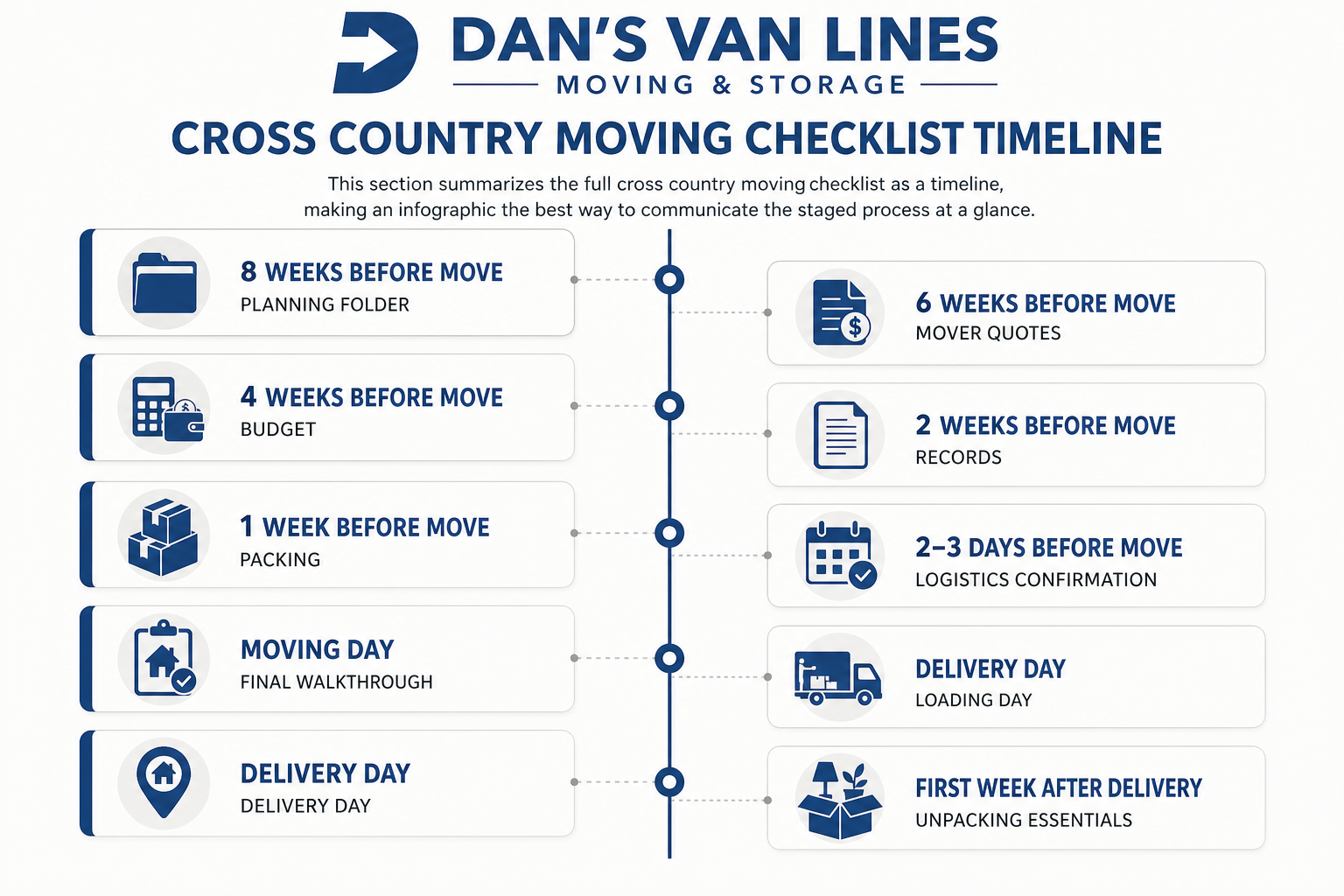
The checklist below focuses on steps that are especially relevant to new construction in Haymarket, VA. It reflects the realities of phased communities, townhome layouts, active work zones, and HOA-managed neighborhoods. Buyers can use it during the weeks leading up to settlement and then revisit it once the final closing date is confirmed.
Keep in mind that each community may have its own process. A detached home, villa townhome, condominium, or active-adult community may each handle access differently. Confirm details directly with the builder, superintendent, HOA, or community manager before scheduling delivery.
Ask the builder when the closing date is expected to become firm and what inspections remain.
Confirm whether internal roads, driveways, alleys, and sidewalks are ready for moving access.
Find out where a moving truck can stage and whether a smaller shuttle truck may be needed.
Ask whether construction vehicles, dumpsters, or stored materials will block access on move day.
Complete the builder walk-through and document visible damage or unfinished areas before delivery.
Transfer electric, water, and gas accounts into your name by closing.
Verify internet or cable installation timing if you need service soon after arrival.
Confirm floor, carpet, stair, doorway, hallway, and elevator protection requirements.
Ask the HOA or community manager about move-in reservations, time limits, and truck registration.
Request any required insurance documents from your moving company before move day.
Discuss storage options if your prior move-out date and new-home closing date do not align.
Plan furniture placement around any punch-list work that still needs to be completed.
Careful coordination makes new construction move-ins smoother in Haymarket
Moving into a new home in Haymarket is exciting, but it often requires more coordination than moving into an established neighborhood. The home may be new, yet the surrounding community may still be changing by the day. Roads, sidewalks, alleys, HOA procedures, construction staging, and closing timelines can all affect the move.
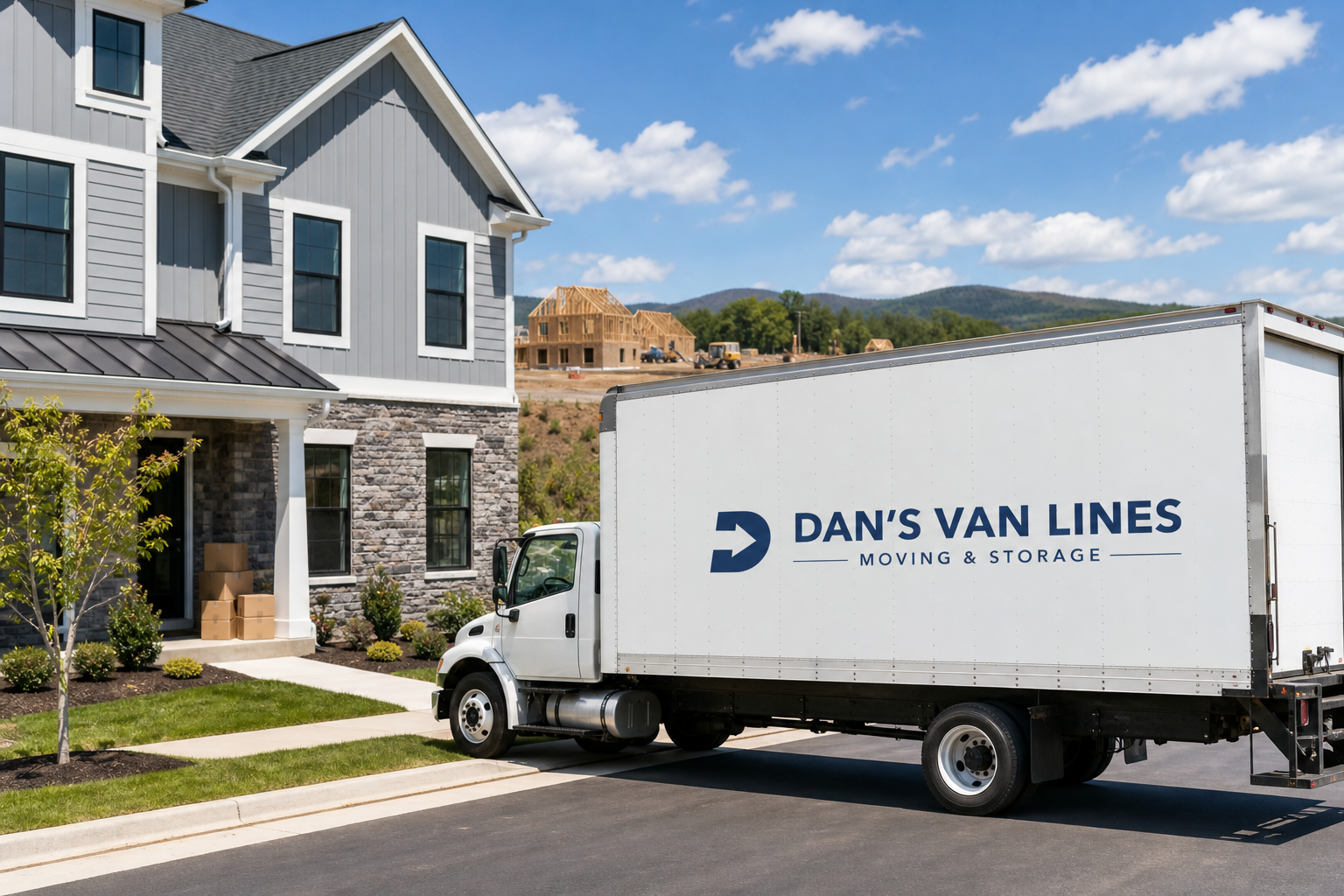
The best preparation starts before the final date is confirmed. Buyers should understand where the community sits within the larger I-66 and U.S. 15 growth corridor, ask about builder and HOA access rules, document the home during the walk-through, confirm utility readiness, and prepare for possible timing changes.
For help planning a move into a new build, townhome, or developing community in Northern Virginia, contact Dan’s Van Lines. Our team can help with local moving, long distance moving, full-service packing, specialty moving, and storage when timing changes. Get a Quote today at Dan’s Van Lines contact page or call (703) 553-0900.












.webp)
%20(1).webp)
.webp)

.webp)
.webp)
.webp)
.webp)



.avif)
%201.svg)

%201.svg)
%201.svg)