
Long-term storage is an increasingly popular solution for individuals facing extended travel, international assignments, or major life transitions. Whether you are an expatriate, digital nomad, or simply need to safeguard your belongings for months or years, understanding how long-term storage works can help you make informed decisions, protect your valuables, and avoid unnecessary costs. This guide explores the essentials of long-term storage, including preparation, climate considerations, insurance, and best practices—tailored for those in Alexandria, VA and beyond.
Serving Alexandria, VA, Dan's Van Lines combine local expertise with long distance moving experience. If you have any questions at any point in this guide, do not hesitate to contact us.

What Is Long-Term Storage and Who Needs It?
Long-term storage involves renting secure facilities to house personal belongings, furniture, vehicles, or other items for extended periods—often several months to years. This service is especially valuable for:
Individuals relocating abroad for work or study
Digital nomads with uncertain return dates
Homeowners undergoing renovations or downsizing
Travelers seeking to avoid the costs of maintaining an empty home
By choosing long-term storage, you can preserve your lifestyle and possessions without the burden of ongoing rent or utilities. For many, it is a more secure and cost-effective alternative to leaving items with friends or paying for an unused apartment. In fact, industry data shows that the average storage rental lasts 7.5 years, often far exceeding initial expectations due to life changes or indecision about possessions.

How Long-Term Storage Works: Step-by-Step
The process of securing long-term storage is straightforward but requires careful planning to maximize value and minimize risk. Here’s what you need to know:
1. Assess Your Storage Needs
Begin by taking inventory of what you plan to store. Use online calculators to estimate the unit size required, whether for a single room, an apartment, or an entire home. Facilities often offer drive-up units for heavy items and climate-controlled options for sensitive goods.
2. Declutter and Prepare Your Items
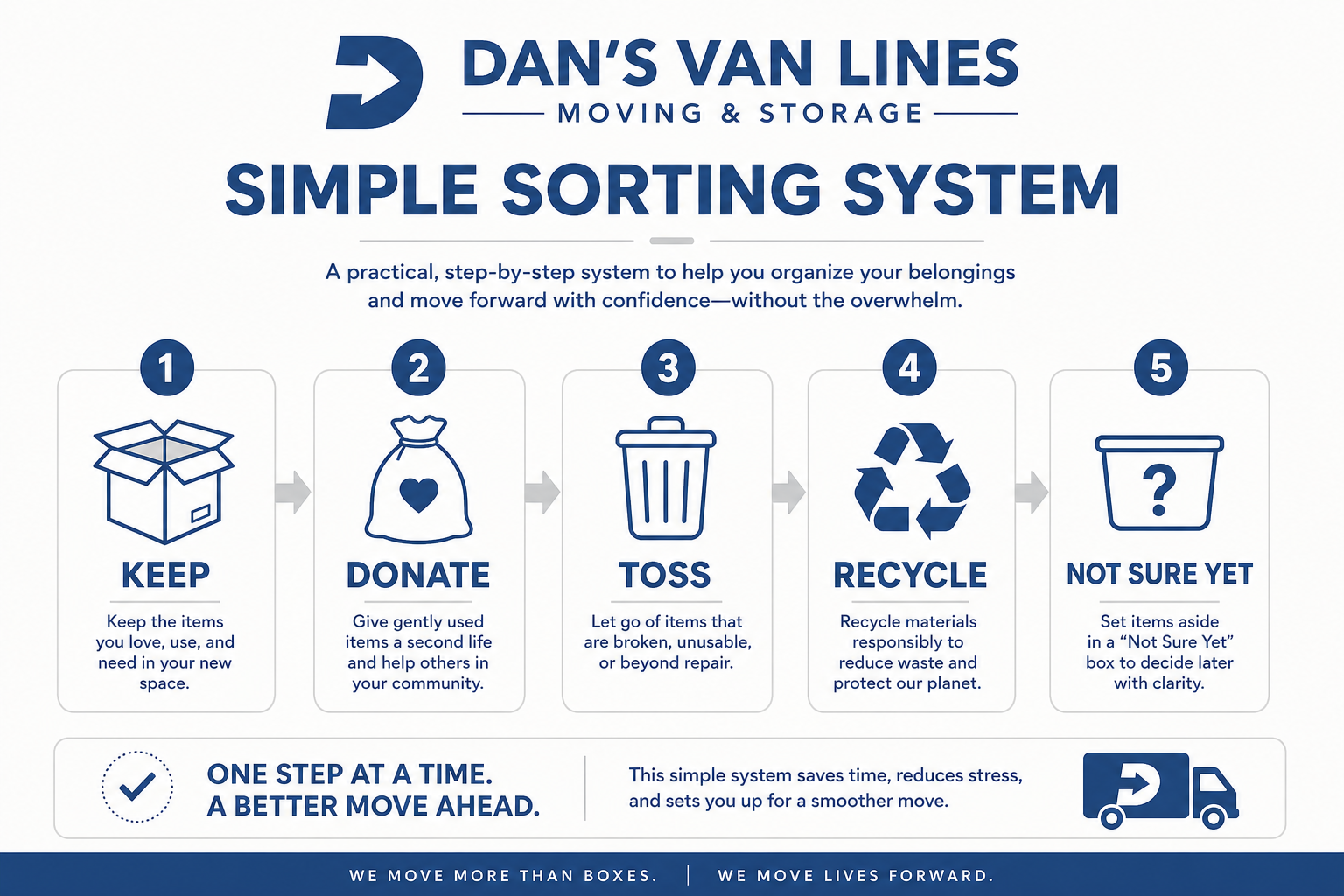
Before packing, declutter by selling or donating items you haven’t used in the past year. This not only reduces storage costs but also prevents unnecessary hoarding. Apply the “one-year rule”: if you haven’t used it in a year, consider letting it go.
3. Pack for Protection and Accessibility
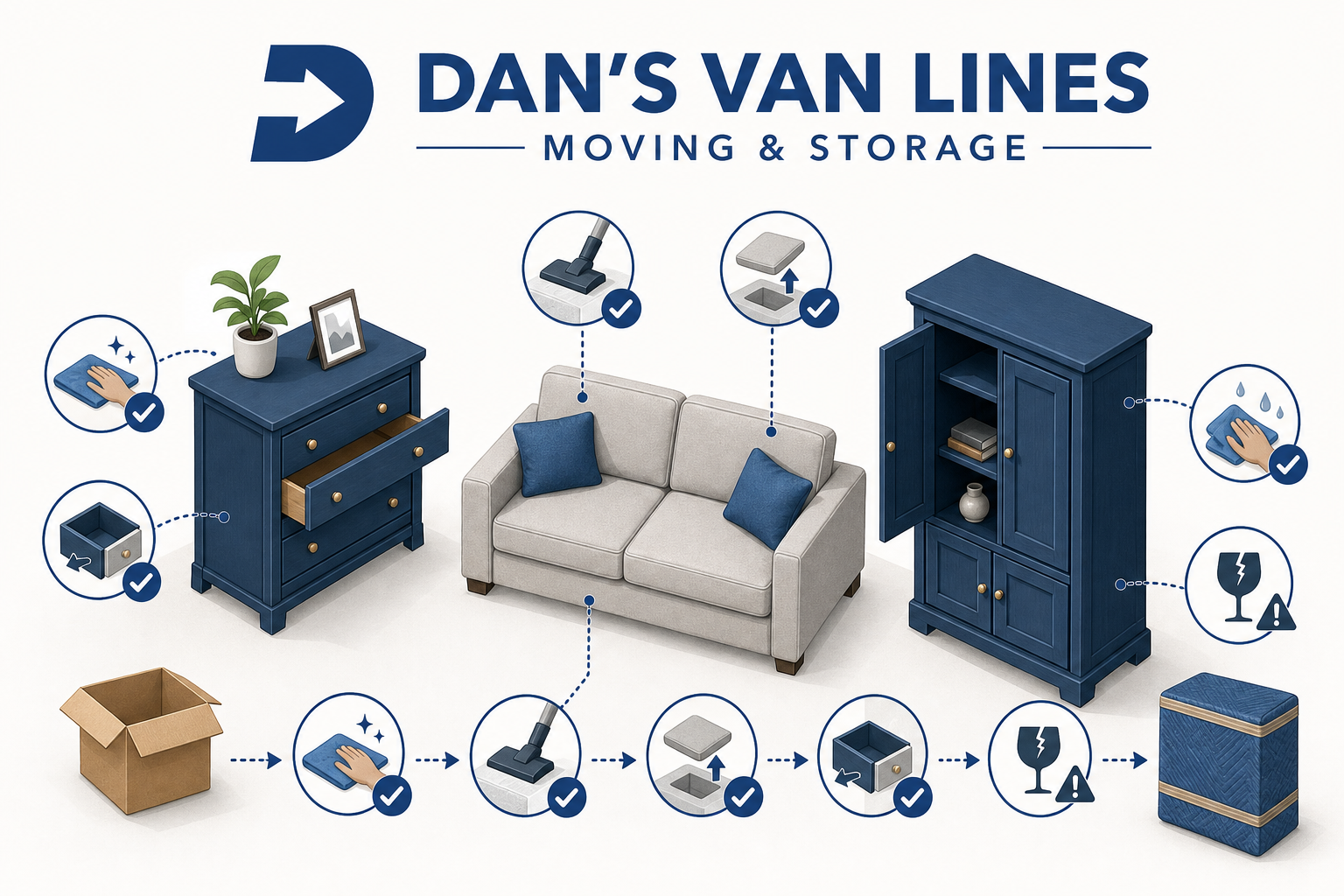
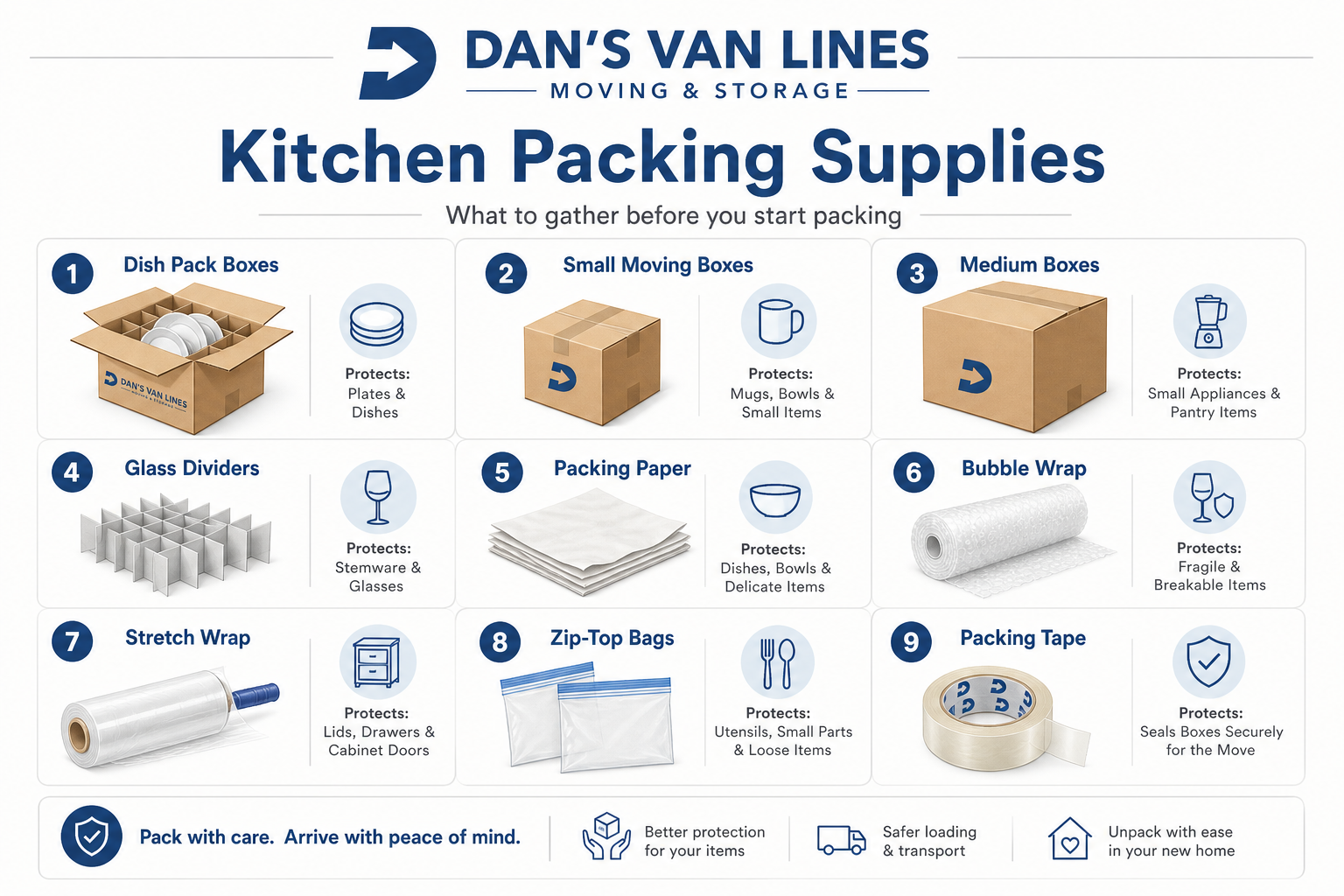
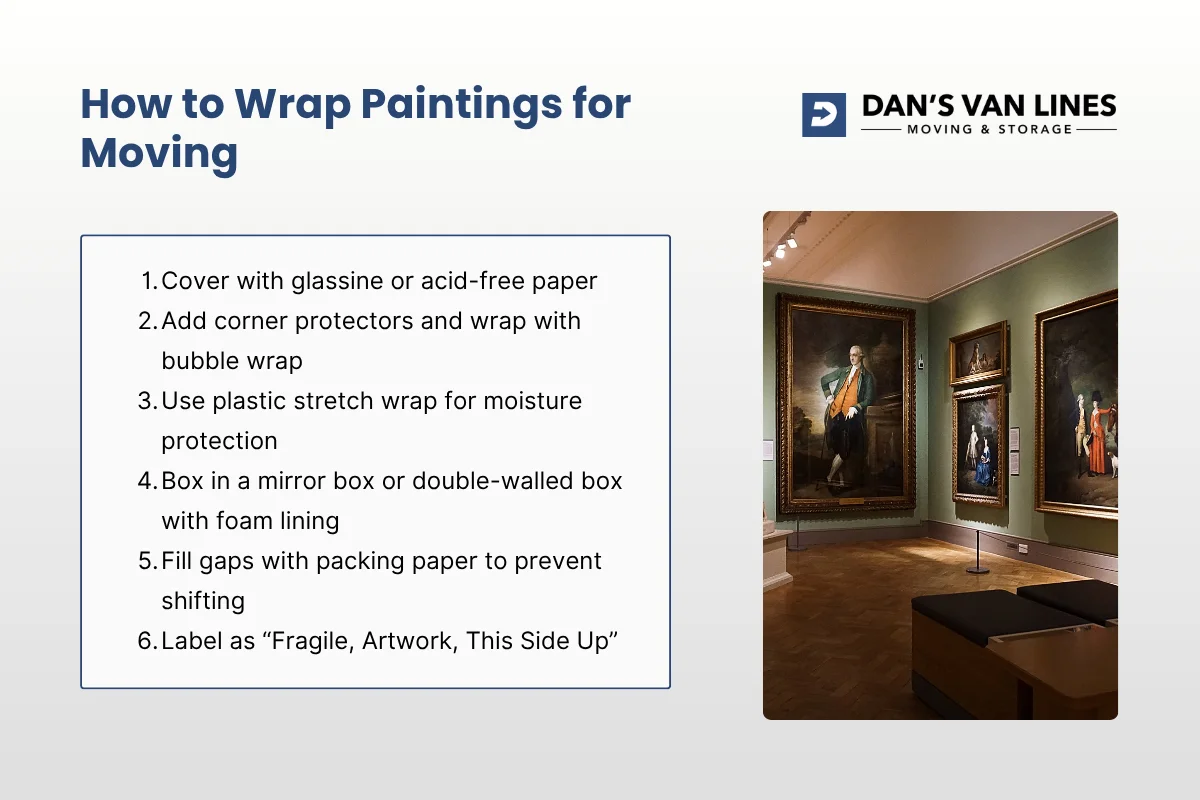
Proper packing is crucial for long-term preservation. Disassemble furniture, wrap legs, use mattress bags, and bag appliance parts. Protect documents and photos in acid-free paper. Plastic tote bins are preferred over cardboard for their resistance to water and pests, stackability, and durability.
4. Choose the Right Facility and Unit
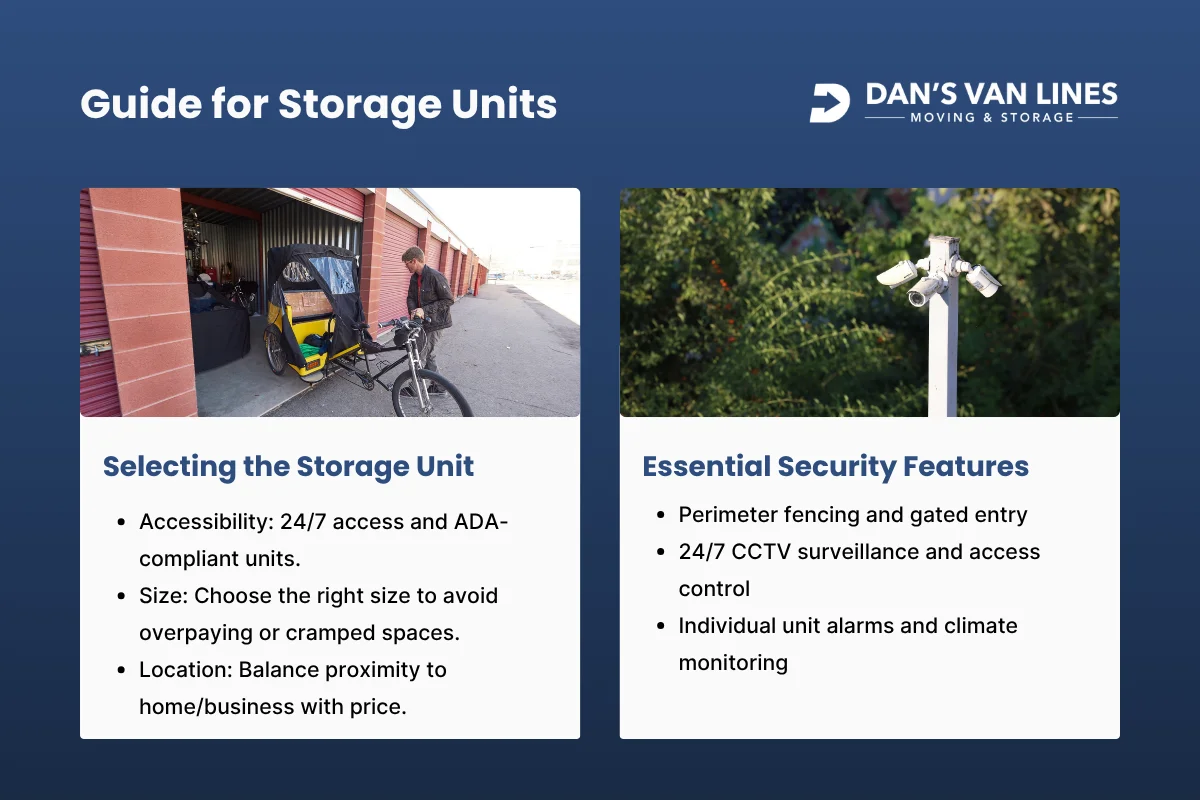
When selecting a facility, consider security features such as gated access, surveillance cameras, and on-site management. Month-to-month agreements offer flexibility, and many facilities provide online bill pay and auto-pay options for remote management. For international travelers, self-storage is often more practical and affordable than shipping items abroad or maintaining an empty apartment.
5. Move-In and Ongoing Management
Upon move-in, sign your rental agreement, pay any required deposit, and set up automatic payments. Keep an updated inventory list for insurance and customs purposes. Plan for periodic reviews of your stored items, especially if your return date is uncertain.
Climate Considerations: Protecting Your Valuables

Climate plays a critical role in the long-term preservation of stored items. Uncontrolled units expose belongings to temperature swings, humidity, and pests, which can cause irreversible damage. Here’s what to consider:
Standard Units: Suitable for durable items like metal tools or plastic furniture.
Climate-Controlled Units: Maintain temperatures between 55°F and 85°F and low humidity, protecting electronics, artwork, musical instruments, wooden furniture, photos, documents, collectibles, and antiques from warping, rust, fading, cracking, mold, or mildew.
Regional climate dictates necessity. In the southern U.S., humidity control is essential, while northern areas require freeze protection. For storage exceeding three to six months, especially for valuable or sentimental items, climate control is strongly recommended. Although these units cost 20-50% more, they can prevent costly damage and loss.
Insurance for Long-Term Storage: What You Need to Know

Standard facility liability typically covers only the building, not your stored contents. To protect your belongings, consider these insurance options:
Homeowners/Renters Insurance: Many policies offer “off-premises coverage for personal property” stored elsewhere, usually up to 50% of your dwelling limit. Coverage includes fire, lightning, theft, and vandalism, but may exclude floods, mold, and high-value items. Always check your policy for specific limits and exclusions.
Facility-Offered Insurance: Storage facilities often provide insurance plans at rental, covering moderate-value items (e.g., up to $5,000 with a $100 deductible). These plans are convenient but may have lower limits and exclude certain risks.
Supplemental Coverage: For high-value or irreplaceable items, consider supplemental insurance or professional warehousing with specialized coverage. If you are traveling abroad, verify that your policy covers international storage and supplement as needed.
Maintain an up-to-date inventory list to streamline claims in the event of loss or damage. For items of significant value, professional appraisals may be required to ensure adequate coverage.
Best Practices for Long-Term Storage Success
Maximizing the benefits of long-term storage requires more than just packing and locking the door. Consider these best practices to protect your investment and avoid common pitfalls:
Declutter Regularly and Set Clear End Dates
Long-term storage can become a costly habit if not managed proactively. Set a clear end date before renting, and conduct regular check-ins to review your stored contents. Consolidate needed items and downsize your unit as appropriate to cut expenses.
Pack for Accessibility and Safety
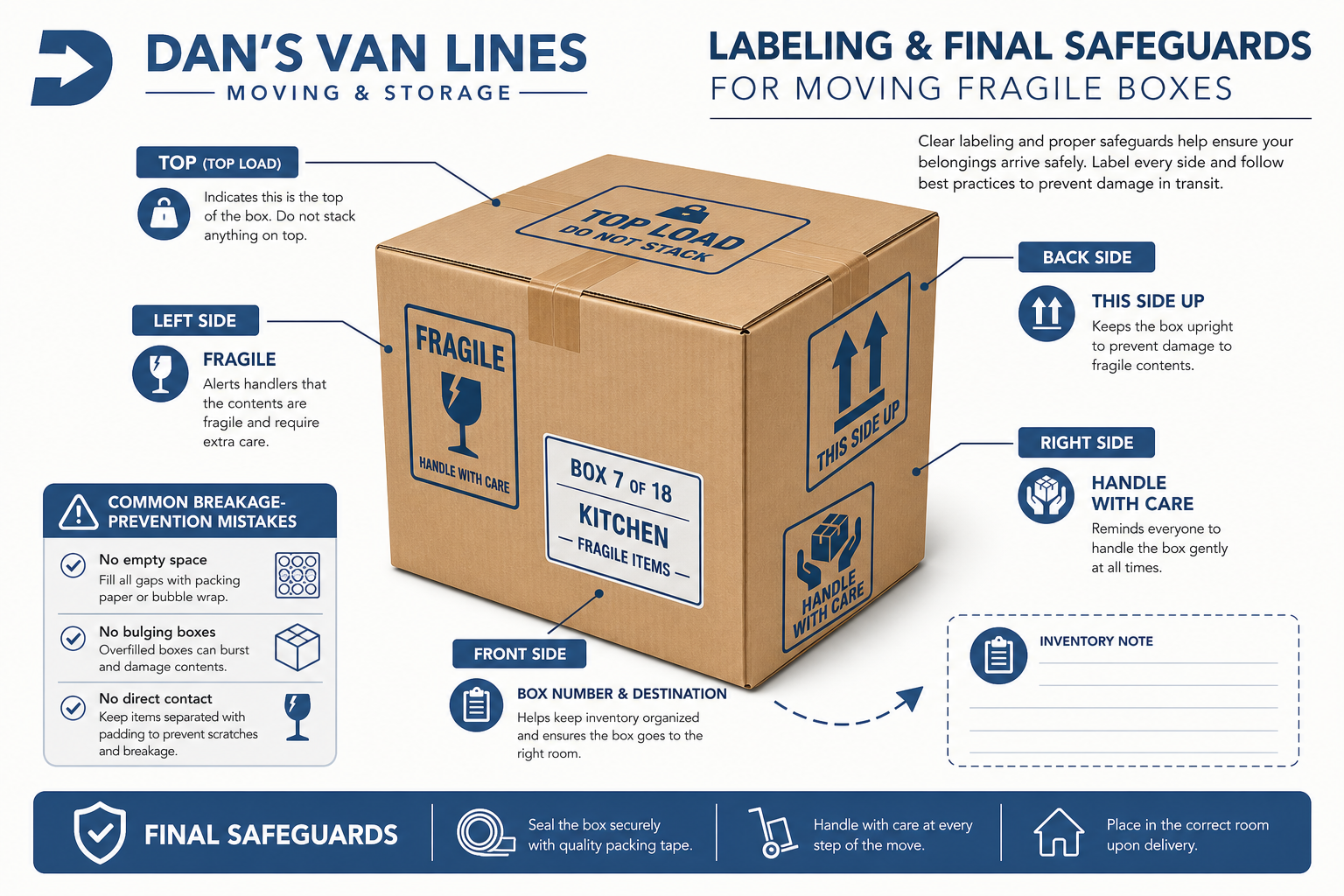
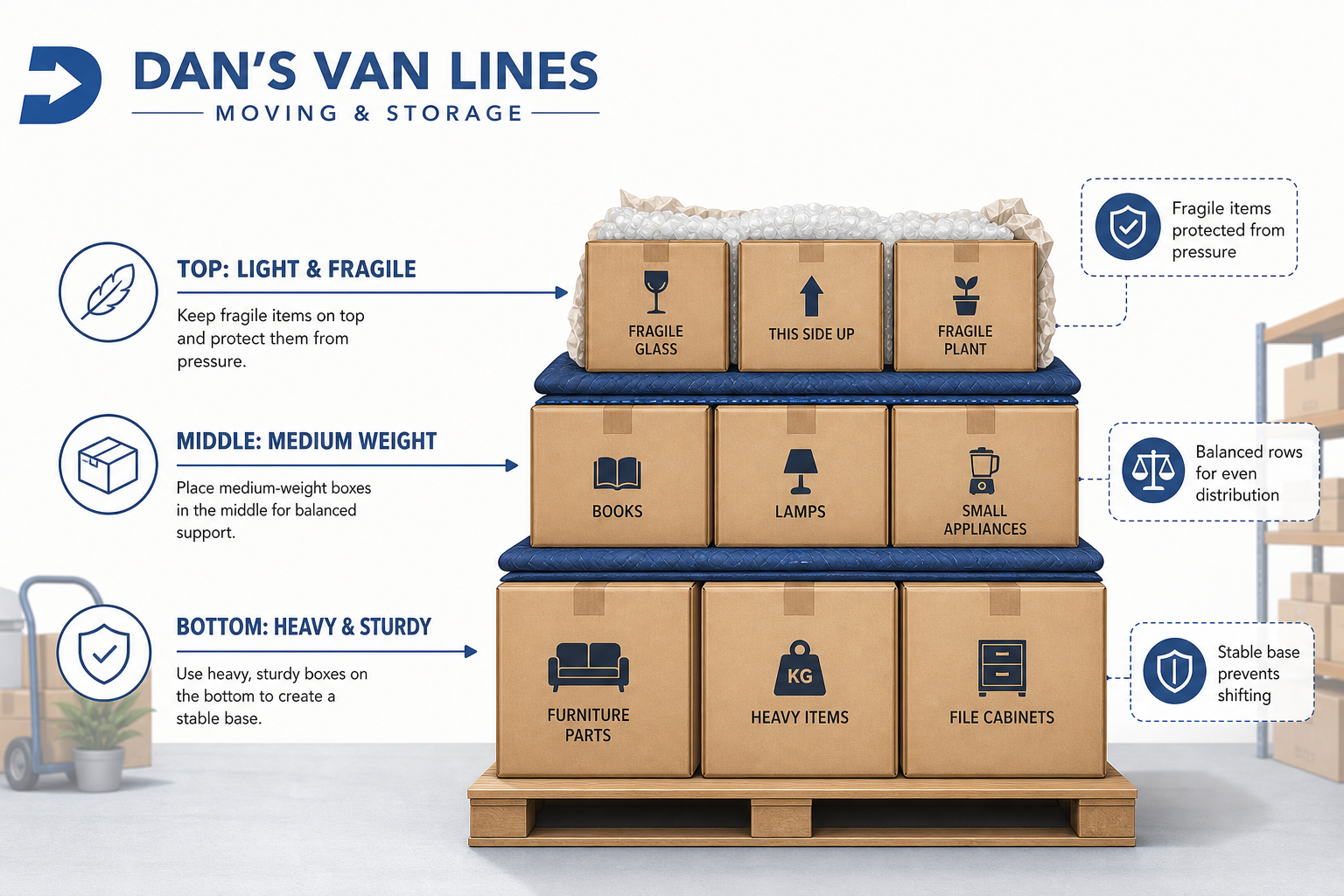
Pack heavier items at the bottom and create labeled aisles for easy access. Use plastic bins for durability and pest resistance. Avoid storing perishables, even in climate-controlled units, as they can attract pests and violate facility policies.
Choose the Right Facility Location
Select a storage facility near your previous home or a convenient location for your return. This simplifies retrieval and reduces transportation costs when you are ready to move your items out.
Leverage Technology for Remote Management
Modern storage facilities offer online tools for reservations, payments, and inventory management. These features are invaluable for travelers managing storage from abroad, ensuring you stay in control no matter where you are.
Cost Considerations and Budgeting for Long-Term Storage
While long-term storage is often more affordable than maintaining an empty home, costs can add up over time. Here’s what to keep in mind:
Average monthly costs start at $100 and can escalate yearly due to rent increases every 9-12 months.
Climate-controlled units cost 20-50% more but offer essential protection for sensitive items.
Insurance adds a small monthly fee but is crucial for peace of mind and financial protection.
Extended agreements may offer discounts, but always reevaluate your needs annually to avoid paying for unused space.
To avoid spending more on storage than your items are worth, regularly assess the value and necessity of what you are storing. If items no longer bring you joy or serve a purpose, consider selling or donating them.
Why Long-Term Storage Is Ideal for Travelers and Expats
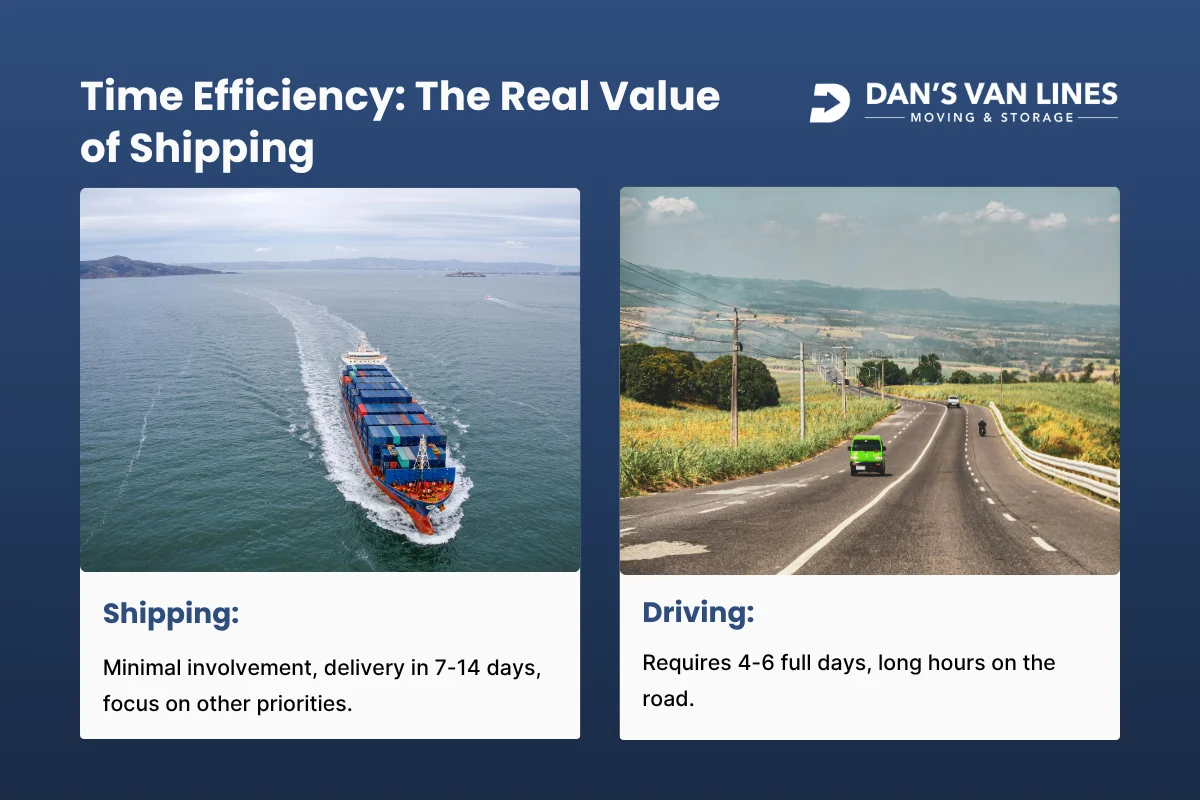
For those embarking on international assignments, extended travel, or uncertain return dates, long-term storage offers unmatched flexibility and security. Compared to shipping belongings abroad—which can incur high customs fees and logistical headaches—self-storage is more affordable and accessible. It also eliminates the risks of leaving items with friends or in an empty apartment.
Professional warehousing is available for high-value or bulky items, and some moving companies bundle storage with future shipping services for added convenience. Digital nomads and expatriates appreciate the ability to manage storage remotely, set flexible end dates, and avoid the “out-of-sight, out-of-mind” trap by scheduling periodic reviews.
Dan’s Van Lines: Your Partner for Secure Long-Term Storage in Alexandria, VA

Long-term storage is a smart solution for safeguarding your belongings during life’s transitions, but success depends on careful planning, the right facility, and ongoing management. Dan’s Van Lines offers secure, climate-controlled storage options, expert packing services, and flexible agreements tailored to your needs. Our team can help you declutter, pack, and transport your items with care—whether you’re moving across town or around the world.
If you’re considering long-term storage in Alexandria, VA, trust Dan’s Van Lines for reliable service, transparent pricing, and peace of mind. To discuss your storage needs or request a quote, contact Dan's Van Lines today.







.webp)
%20(1).webp)
.webp)
.webp)
.webp)
.webp)
.webp)


.avif)
%201.svg)

%201.svg)
%201.svg)