
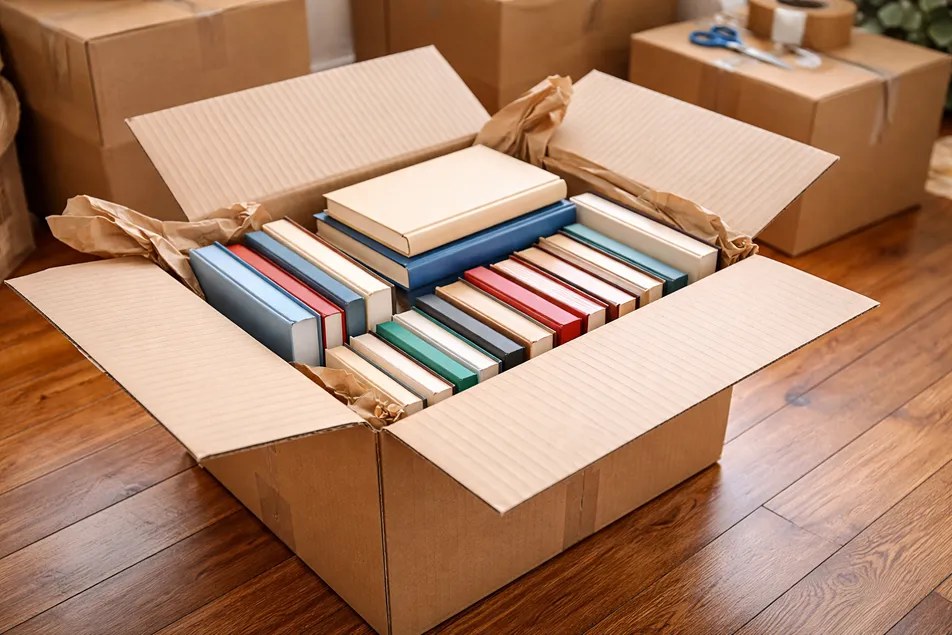
Books are among the heaviest and most cherished items in any home library. Whether you’re a collector, a student, or simply love to read, ensuring your books arrive safely at your new home is a top priority. Packing books incorrectly can lead to damaged spines, torn pages, or even injury from lifting overly heavy boxes. In this guide, we’ll walk you through the best way to pack books for moving, drawing on proven techniques and professional advice to protect your collection and your back.
Serving Alexandria, VA, Dan's Van Lines combine local expertise with long distance moving experience. If you have any questions at any point in this guide, do not hesitate to contact us.
Why Packing Books Properly Matters
Books may seem sturdy, but improper packing can cause significant damage. Overloaded boxes can break, bindings can warp, and pages can tear. Additionally, books are deceptively heavy, making safe lifting and transport a real concern. By following best practices, you’ll protect your collection and make your move smoother and safer for everyone involved.
Choosing the Right Boxes for Books
The foundation of safe book packing is selecting the right boxes. Large boxes may seem efficient, but they quickly become too heavy to lift safely when filled with books. Instead, opt for small, sturdy boxes designed to support heavy loads. Keeping each box under 40 pounds is essential for both safety and ease of handling. Some movers even recommend using rolling suitcases for books, as they are sturdy, wheeled, and perfectly sized to avoid excessive weight.
- Use small boxes specifically designed for heavy items.
- Keep each box under 40 pounds to prevent injury and box breakage.
- Consider rolling suitcases for easy transport of heavier books.
Preparing Boxes for Packing
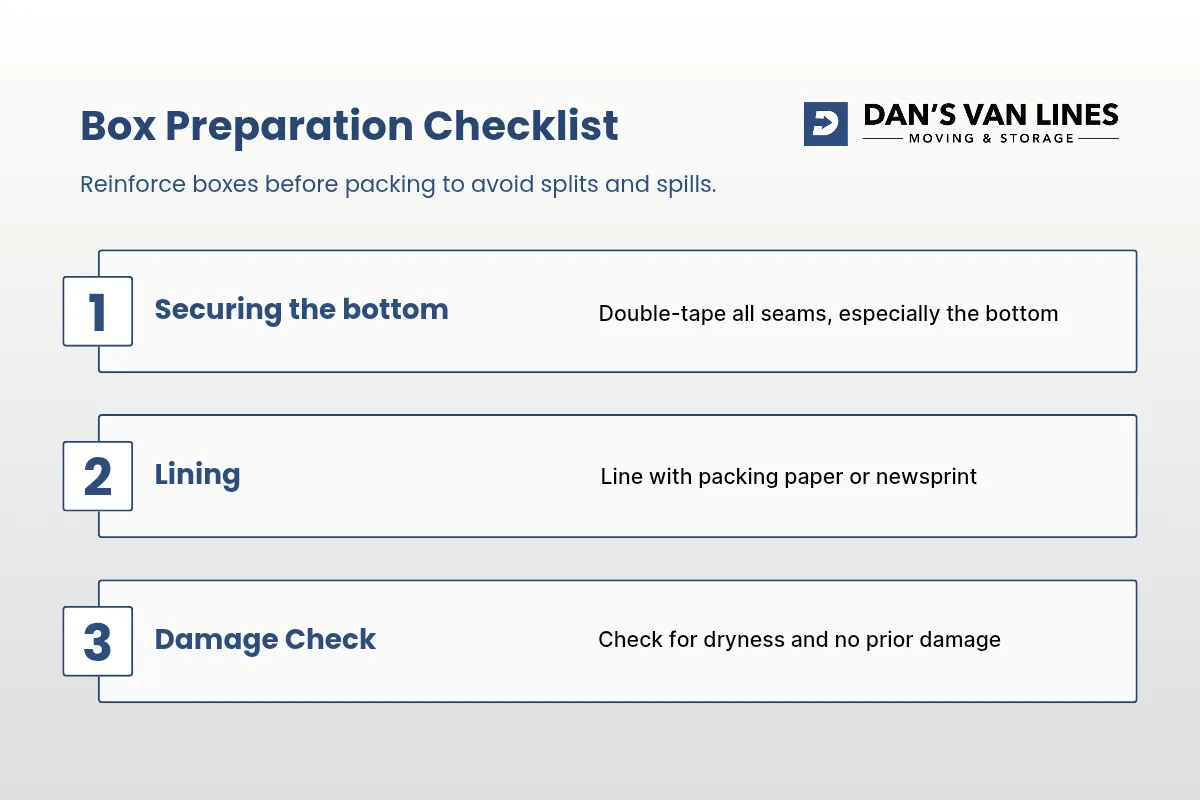
Before placing any books inside, reinforce your boxes. Double-tape the bottom and top seams to prevent splitting under weight. Line the bottom of each box with a couple of layers of packing paper or newsprint for extra cushioning. This step is especially important for long-distance moves, where boxes may be stacked and jostled during transit.
Box Preparation Checklist
- Double-tape all seams, especially the bottom.
- Line with packing paper or newsprint for cushioning.
- Ensure boxes are dry and free from previous damage.
How to Pack Books: Positioning and Protection
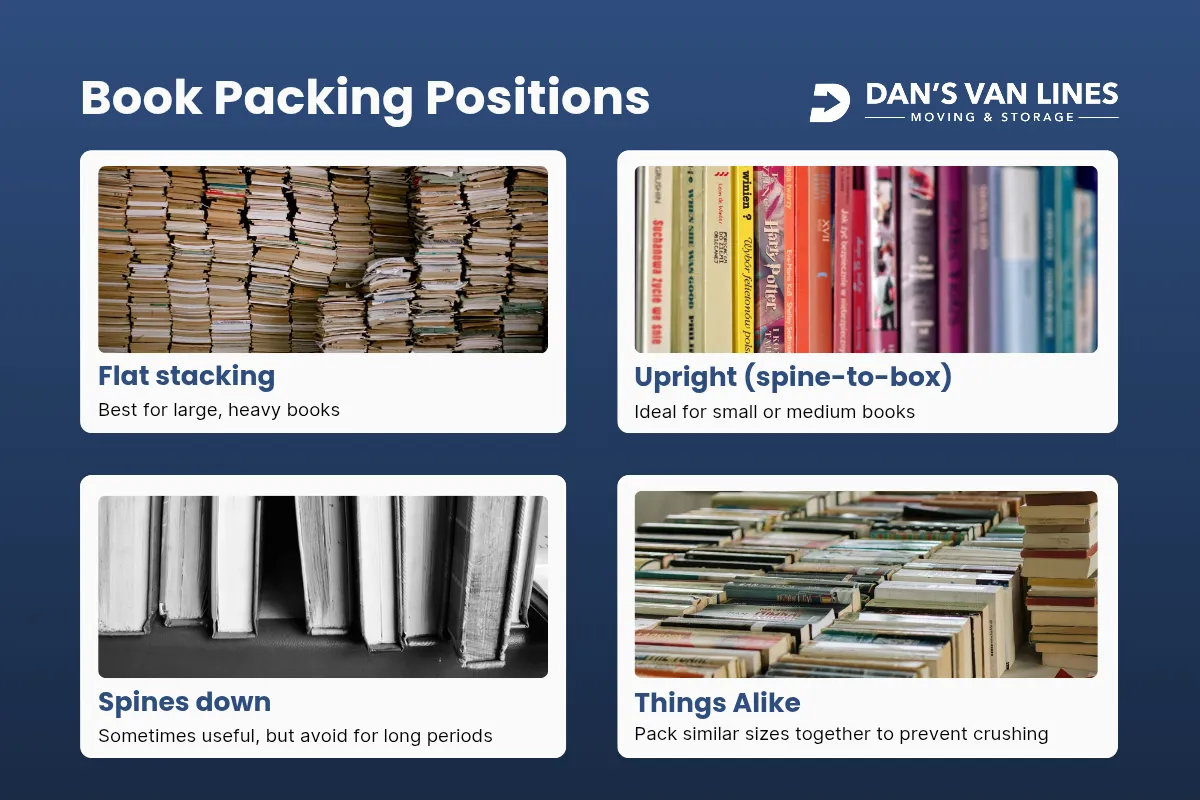
The way you position books in the box is crucial for preventing damage. There are several effective methods, each with its own advantages. For most moves, a combination of these techniques works best:
- Flat Stacking: Place books flat, one on top of the other. This method is ideal for large, heavy books and helps prevent warping.
- Upright (Spine-to-Box): Stand books upright, as you would on a shelf, with spines against the box wall. This is best for small or medium-sized books.
- Spines Down: For some books, placing them with spines down can minimize page damage, but avoid spines up or down for long periods, as this can cause warping per JK Moving.
Always pack books of similar size together to prevent crushing or bending. Mixing tall and short books can lead to damage, especially during a long truck ride. Fill any empty spaces with crumpled paper or bubble wrap to prevent shifting and to strengthen the box.
Protecting Special and Valuable Books
Rare, antique, or sentimental books require extra care. Wrap each book individually in acid-free tissue paper, followed by packing paper. Place these books in padded envelopes or custom book boxes for maximum protection. Avoid using plastic bags, as they can trap moisture and cause mold or mildew.
- Wrap special books in acid-free tissue and packing paper.
- Use padded envelopes or custom boxes for rare items.
- Label boxes containing valuable books for careful handling.
Weight Distribution and Layering Techniques for Packing Books
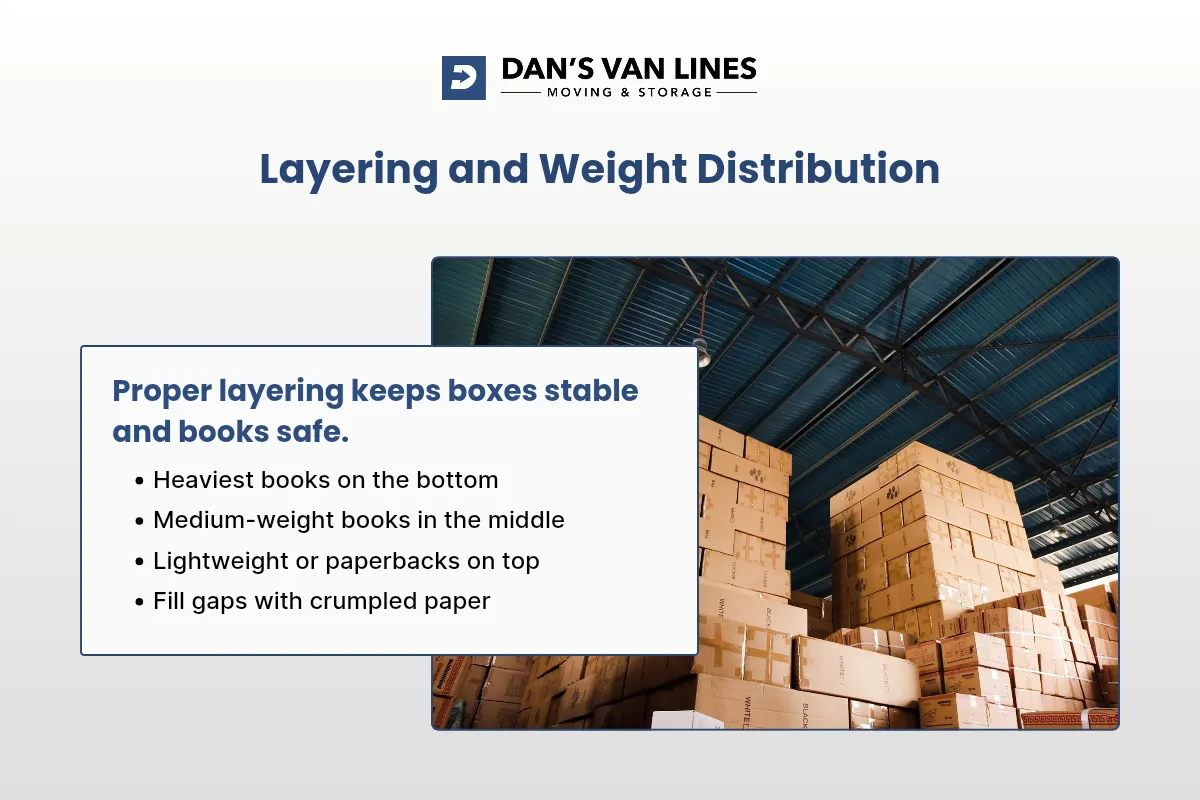
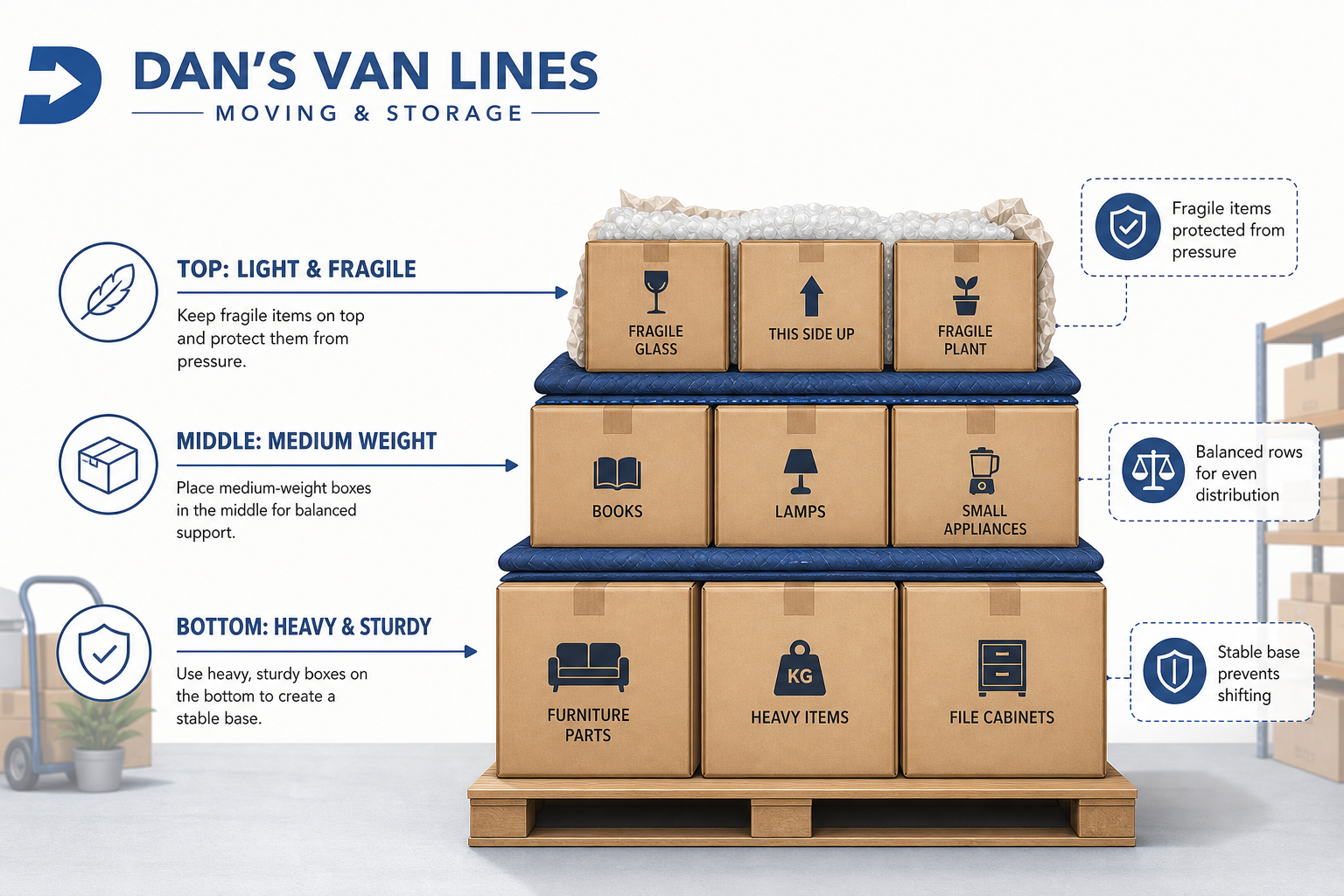
Proper weight distribution is key to preventing box collapse and protecting your books. Always place the heaviest books at the bottom, medium-weight books in the middle, and lighter books on top. This layering prevents delicate books from being crushed and helps maintain box stability during transit.
Layering Steps for Book Boxes
- Start with a flat, even layer of heavy books.
- Add a layer of medium-weight books, keeping sizes consistent.
- Finish with lightweight or paperback books on top.
- Fill gaps with crumpled paper to prevent movement.
Sealing and Labeling Book Boxes
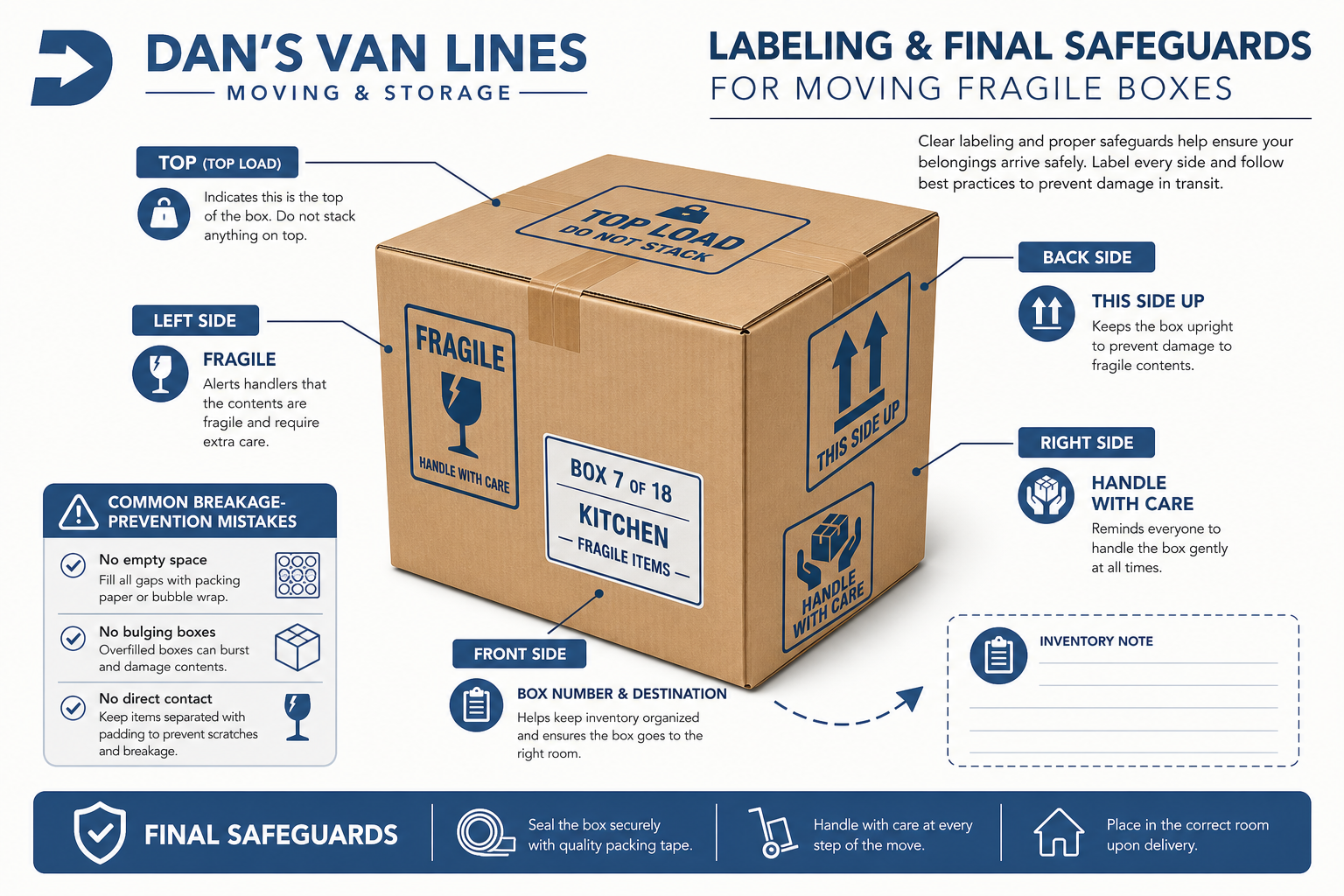
Once your books are packed, seal the box securely with strong packing tape. Reinforce all seams, especially if the box feels heavy. Label each box clearly with its contents and destination room. If a box contains fragile or valuable books, mark it as “Fragile” or “Handle with Care.” This helps movers prioritize careful handling and ensures your books end up in the right place.
Alternative Packing Solutions: Rolling Suitcases and More
For those with large collections or limited lifting ability, rolling suitcases offer a practical alternative to boxes. Suitcases are designed to carry heavy loads and their wheels make transport much easier. This method is especially useful for apartment moves or when navigating stairs. Just be sure not to overfill, as even suitcases have weight limits.
Some movers also recommend mixing a few books into boxes of lighter items, such as clothing, to balance weight and protect your back. This approach is particularly helpful for those with extensive libraries or limited box supplies.
Common Mistakes to Avoid When Packing Books
Even experienced movers can make mistakes when packing books. Avoiding these pitfalls will help ensure your collection arrives intact:
- Using large boxes that become too heavy to lift safely.
- Packing books with spines up or down, which can cause warping and damage.
- Mixing books of very different sizes in the same box, leading to crushing or bending.
- Leaving empty spaces in boxes, which allows books to shift and get damaged.
- Neglecting to reinforce box seams with extra tape.
Special Considerations for Long Distance Moves
Long distance moves require extra attention to stability and protection. Boxes may be stacked and moved multiple times, increasing the risk of damage. For these moves, focus on uniform book sizes per box, double up on cushioning, and ensure all boxes are tightly packed and well-sealed. If possible, transport especially valuable or irreplaceable books yourself, rather than in the moving truck.
Unpacking and Re-Shelving Your Books
Once you arrive at your new home, unpack book boxes as soon as possible to prevent warping from prolonged pressure. Check each book for damage and allow any that feel damp to air out before shelving. Organize your books by size and type as you unpack to make re-shelving easier and to prevent future damage.
How Dan’s Van Lines Makes Book Moving Easy
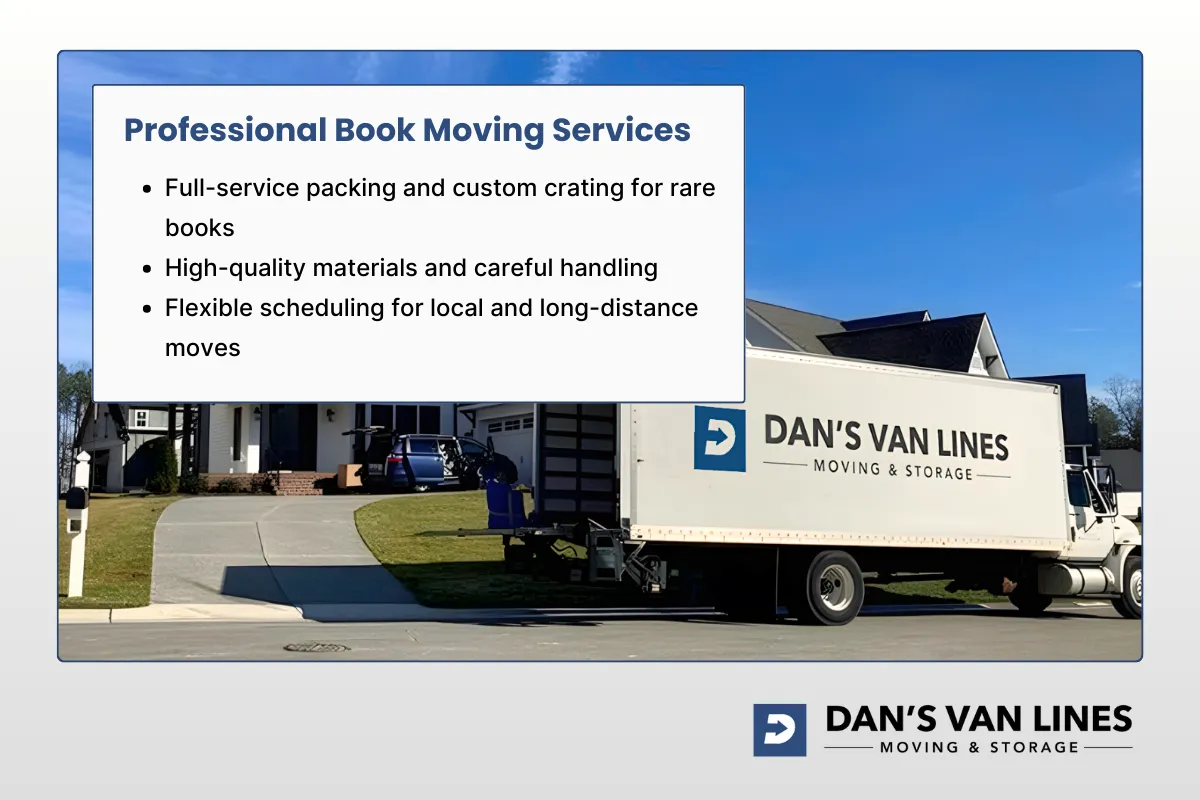
At Dan’s Van Lines, we understand that your books are more than just possessions, they’re memories, investments, and sources of inspiration. Our team uses proven packing techniques, high-quality materials, and careful handling to ensure your collection arrives safely, whether you’re moving across Alexandria or across the country. We offer full-service packing, custom crating for rare books, and flexible scheduling to fit your needs. If you want peace of mind for your next move, contact Dan's Van Lines today. Let us help you protect what matters most, one box at a time.










.webp)
%20(1).webp)
.webp)
.webp)

.webp)
.webp)
.webp)

.avif)
%201.svg)

%201.svg)
%201.svg)