
.webp)
Relocating an office is a high-stakes project that demands careful planning, cross-departmental coordination, and a structured approach to minimize business disruption. For facility managers and compliance professionals at financial institutions, a detailed office moving checklist is essential to ensure nothing falls through the cracks. This guide breaks down the process into actionable phases, from early planning to post-move optimization, with practical tips and proven strategies for a seamless transition.
In Alexandria, VA, Dan's Van Lines are your trusted specialists for local and long distance moves. If anything is unclear as you read this guide, feel free to contact us.
.webp)
Early Planning Phase: 6-12 Months Before the Move
Form a Cross-Functional Move Committee
Start by assembling a move committee with representatives from facilities, IT, HR, and operations. This team will distribute responsibilities, streamline decision-making, and ensure all departmental needs are addressed. Leadership buy-in at this stage is crucial for budget approvals and resource allocation. Assign a project manager to oversee the process and maintain accountability across all tasks.
Review Lease Terms and Define New Space Criteria
Carefully review your current lease for notice periods, early termination penalties, and return-to-original-condition clauses. Many leases require at least six months’ notice, so early action is vital. Simultaneously, define your new office requirements, consider square footage, accessibility, IT infrastructure, and hybrid work compatibility. Conduct site assessments to ensure compliance with ADA standards and future growth needs.
Inventory and Budgeting: Avoiding Costly Oversights
Conduct a thorough inventory of all furniture, equipment, and IT assets. Decide what to reuse, dispose of, or replace. This step prevents overspending and ensures accurate logistics planning. Establish a detailed budget, including a 20% contingency for unexpected expenses such as renovations or delays. Movers typically account for 10-20% of the total budget, while IT migrations require early attention due to long lead times.
Assess Facility Requirements and Engage Planners
Evaluate the new building’s HVAC capacity, electrical loads, elevator access, and loading dock availability. Engage architects or space planners early to create blueprints that accommodate departmental layouts and collaboration zones. Secure initial approvals for capital expenditures and begin site searches, prioritizing locations with robust infrastructure.
Communicate Early and Often
Transparent communication is key. Notify stakeholders and employees about the move’s rationale, expected timeline, and potential changes to commutes or work arrangements. Early engagement helps build excitement and address concerns, reducing resistance and confusion later in the process.
.webp)
Coordination and Logistics: 2-4 Months Before the Move
Hire Licensed Commercial Movers and Plan IT Migration
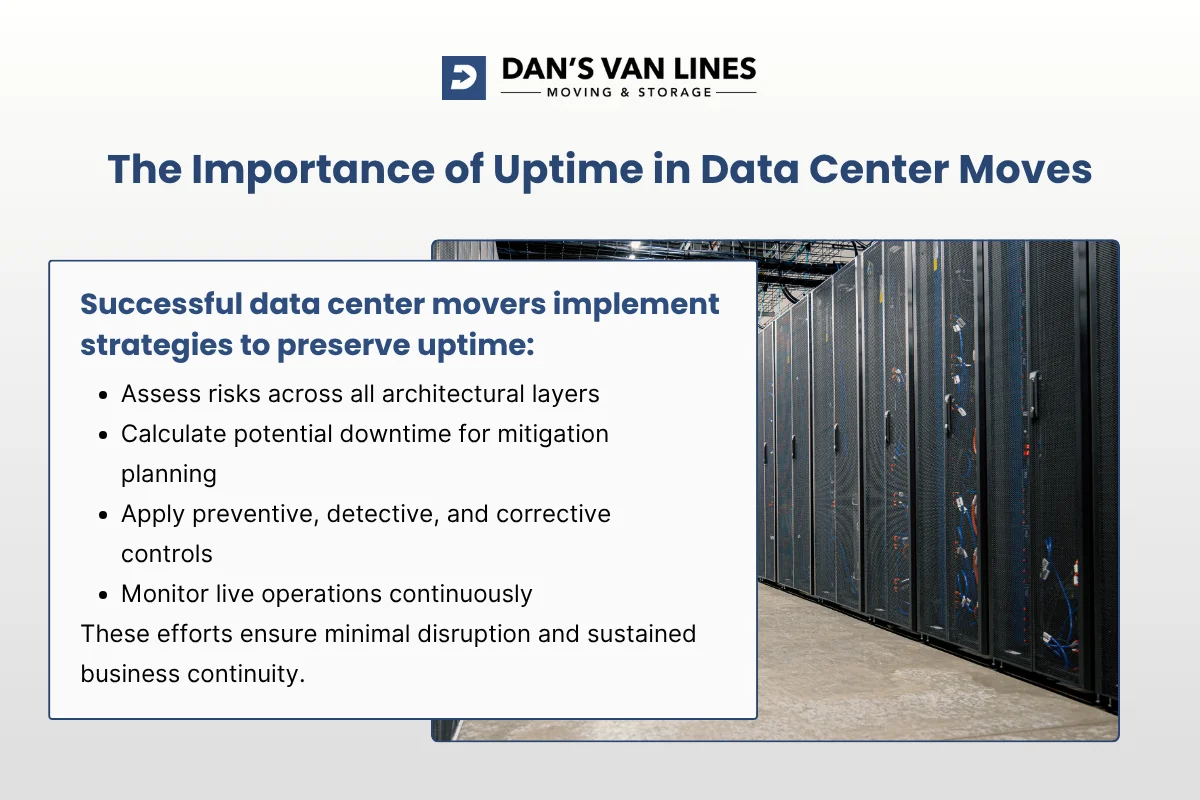
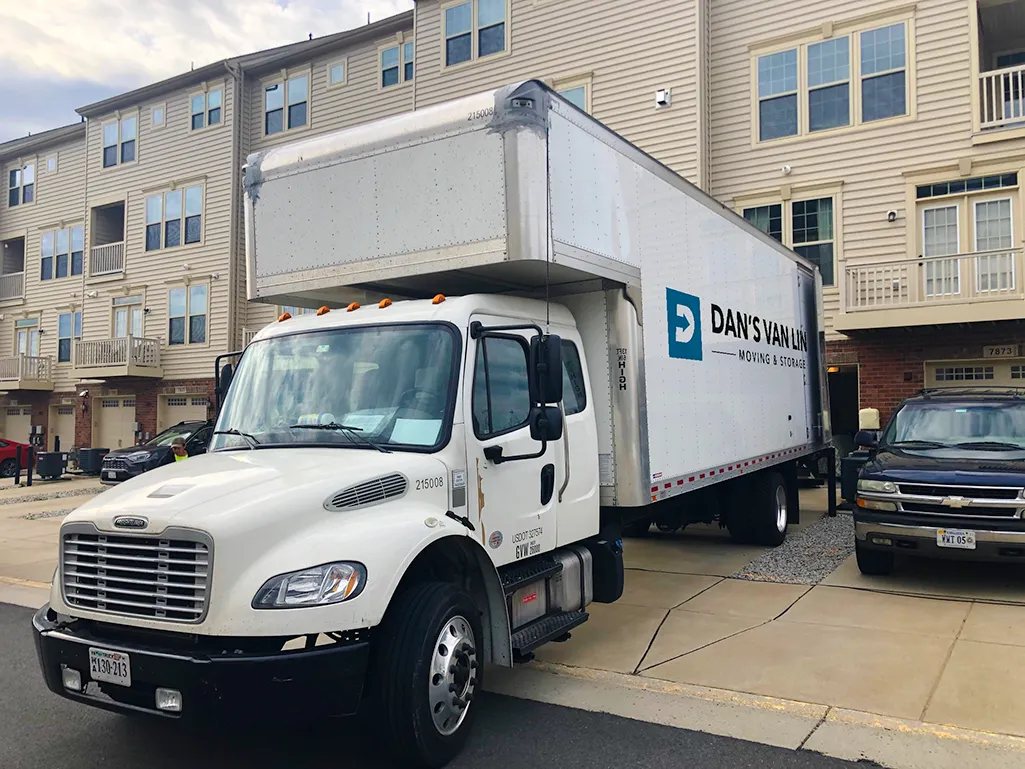
Obtain multiple quotes from licensed commercial movers with USDOT credentials. Prioritize companies that offer packing, crating for servers, and floor protection. The IT migration plan is often the most complex and time-sensitive aspect, inventory all hardware, plan server rack setups, order new lines, and schedule downtime windows to minimize business impact.
Develop Employee Communication and Packing Protocols
Hold town halls to explain the move’s timeline, packing protocols, and remote work options during the transition. Provide clear instructions on labeling, packing, and what to expect on moving day. Create employee move packets with color-coded labels and “open first” boxes for essential items.
Facility-Specific Preparations
Confirm new building access, including parking permits, elevator reservations, and security protocols for after-hours moves. Design detailed floor plans with color-coded departmental zones and numbered workstations. Notify vendors, clients, and the USPS of your new address, and update online listings such as Google My Business. Procure packing supplies and implement a labeling system to streamline unpacking.
Declutter and Risk Mitigation
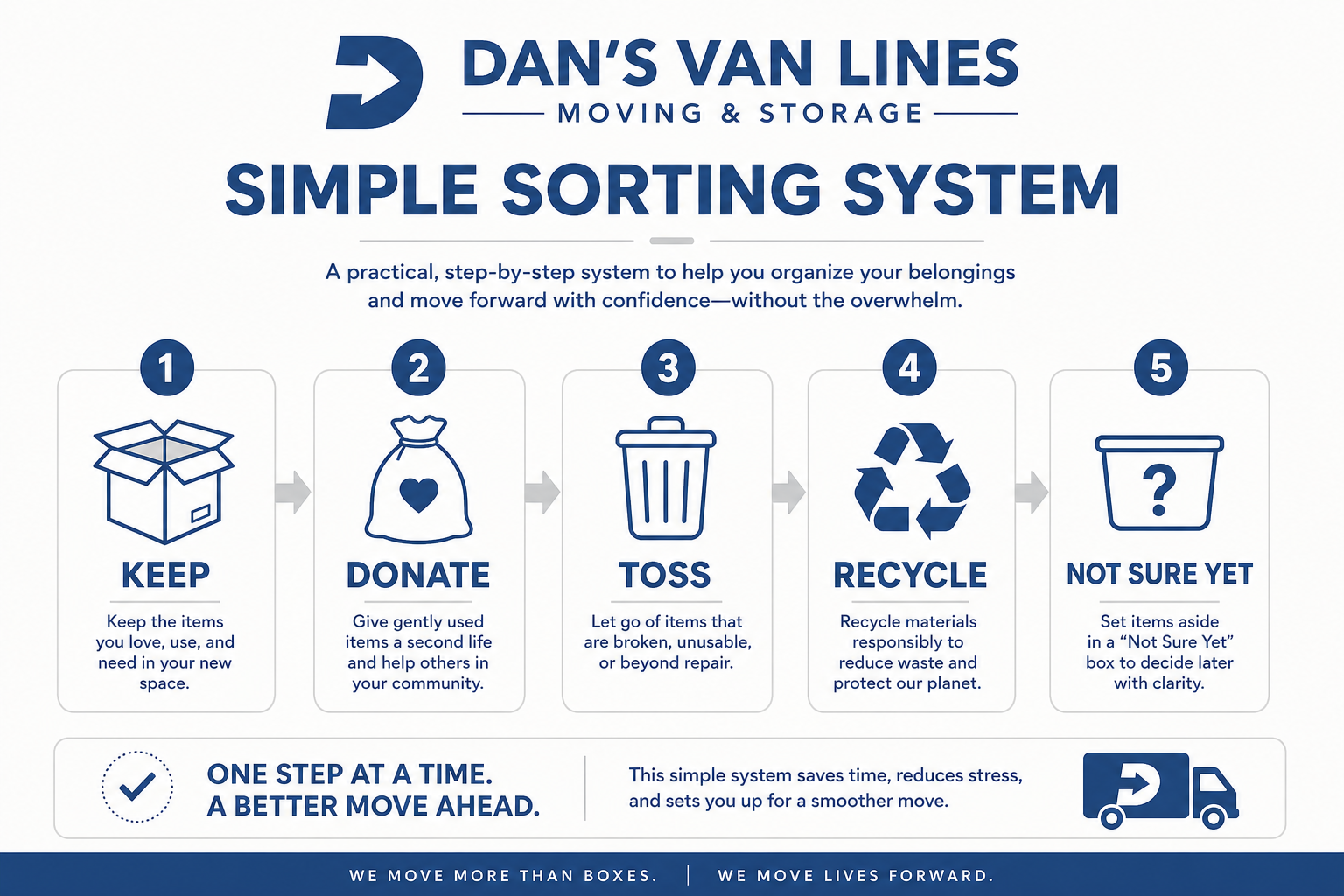
Begin decluttering by donating, recycling, or storing non-essential items. This can reduce your moving volume by 20-30%. Prepare contingency plans for weather delays or vendor no-shows, and secure insurance riders for high-value equipment. Start a punch list for new space buildouts, ensuring contractors address HVAC, lighting, and fire suppression systems before move-in.
Pre-Move Execution: 1-2 Months Before the Move
Finalize Vendor Confirmations and Employee Instructions
Confirm all vendor schedules, including movers, IT installers, cleaners, and locksmiths. Distribute detailed move packets to employees, including instructions, color codes, and a list of “open first” essentials. Begin systematic packing of non-critical items, ensuring all data is backed up to the cloud and external drives.
Transfer Utilities and Conduct Inventory Audits
Transfer utilities, leases, and insurance policies to the new space at least one month prior to avoid disruptions. Order new keys, fobs, and security badges. Conduct inventory audits to match assets against floor plans, tagging each item with its destination label for efficient placement on moving day.
Facility Walkthroughs and Pre-Move Testing
Walk through both the old and new spaces to verify conditions and compliance with lease requirements. Prepare the new office with protective coverings on floors, walls, and corners. Schedule pre-move testing of utilities and network cabling to ensure everything is operational before employees arrive.
Orientation and Role Assignments
Hold orientation meetings to outline move-day roles, such as department captains who will supervise packing and unpacking. This ensures everyone knows their responsibilities and can address issues in real time.
Moving Day Operations: Real-Time Coordination
.webp)
Appoint On-Site Supervisors and Sequence the Move
Designate supervisors at both the old and new locations to coordinate activities and resolve issues as they arise. Turn on utilities at the new site before the first truck arrives. Sequence the move by department to avoid congestion and confusion.
Direct Movers and Protect Facilities
Use detailed floor plans to direct movers, verifying placements immediately upon arrival. Protect surfaces with pads and runners, and monitor for any damage throughout the process. Document the handover of the old space with photos and obtain landlord sign-off to avoid disputes later.
Post-Move Punch Lists and Optimization
Test Systems and Assemble Workspaces
Immediately test all IT systems, phones, HVAC, and security alarms. Assemble furniture and unpack essential items first. Conduct employee orientations with tours and feedback sessions to address any immediate concerns.
Update Listings and Issue New Credentials
Update all business listings, issue new security badges, and ensure all employees have access to necessary areas. Host an office-warming event to boost morale and help staff acclimate to the new environment.
30-Day Punch List and Debrief
Create a 30-day punch list for minor repairs, signage updates, or workspace optimizations based on real usage data. Hold debrief sessions with the move committee to evaluate what worked well and identify areas for improvement in future relocations.
Common Pitfalls and Success Metrics
Start IT Planning Early and Label Everything
One of the most common mistakes is underestimating the lead time for IT migrations. Begin planning at least 90 days in advance to avoid costly downtime. Poor labeling can add two to three extra days to the unpacking process, so invest in a robust labeling system from the start.
Measure Success by Downtime, Budget, and Satisfaction
Key success metrics for facility managers include zero unplanned downtime, adherence to the move budget, and employee satisfaction scores above 80%. For hybrid work models, consider implementing bookable desks and software to track space utilization and optimize layouts over time.
Office Moving Checklist: Quick Reference
While every move is unique, the following checklist outlines the essential steps for a successful office relocation:
Begin by forming a cross-functional move committee and assigning a project manager to oversee the process. Carefully review your current lease terms and define the requirements for your new office space. Conduct a thorough inventory of all assets and establish a detailed budget that includes a contingency for unexpected expenses. Engage architects or space planners early to develop new office blueprints that meet your operational needs.
Maintain open and frequent communication with all stakeholders and employees throughout the process. Hire licensed commercial movers and develop a comprehensive IT migration plan to ensure a smooth transition of technology infrastructure. Design detailed floor plans and implement a robust labeling system to streamline the move and setup in the new location.
Notify all vendors and clients of your upcoming move, and update your business listings to reflect the new address. Begin decluttering by disposing of non-essential items, which will help reduce the overall moving volume. Confirm all vendor schedules and distribute move packets to employees with clear instructions and timelines.
.webp)
Transfer utilities, leases, and insurance policies to the new office well in advance of the move date. Conduct facility walkthroughs and pre-move testing of all systems to ensure everything is operational. On moving day, appoint on-site supervisors and sequence the move by department to minimize disruption and confusion.
Take steps to protect both the old and new facilities during the move, and document the handover process with photos and checklists. After the move, test all systems and assemble essential workspaces so employees can resume work quickly. Update all business listings, issue new credentials, and consider hosting an office-warming event to boost morale and foster team cohesion.
Finally, create a 30-day punch list to address any outstanding issues and hold debrief sessions with your team to identify lessons learned and opportunities for continuous improvement.
Why Choose Dan’s Van Lines for Your Office Move?
Office relocations require precision, experience, and a partner you can trust. Dan’s Van Lines brings years of expertise in local and long distance office moves, offering tailored solutions for financial institutions and compliance-driven organizations. Our team handles everything from secure IT equipment transport to detailed labeling and floor plan execution, ensuring minimal downtime and maximum efficiency. We prioritize clear communication, robust risk management, and white-glove service from start to finish.
If you’re planning an office move in Alexandria, VA or beyond, contact Dan’s Van Lines today to discuss your needs and receive a customized moving plan. Let us help you make your next office relocation your smoothest yet.













.webp)
%20(1).webp)
.webp)


.webp)

.webp)
.webp)


.avif)
%201.svg)

%201.svg)
%201.svg)