
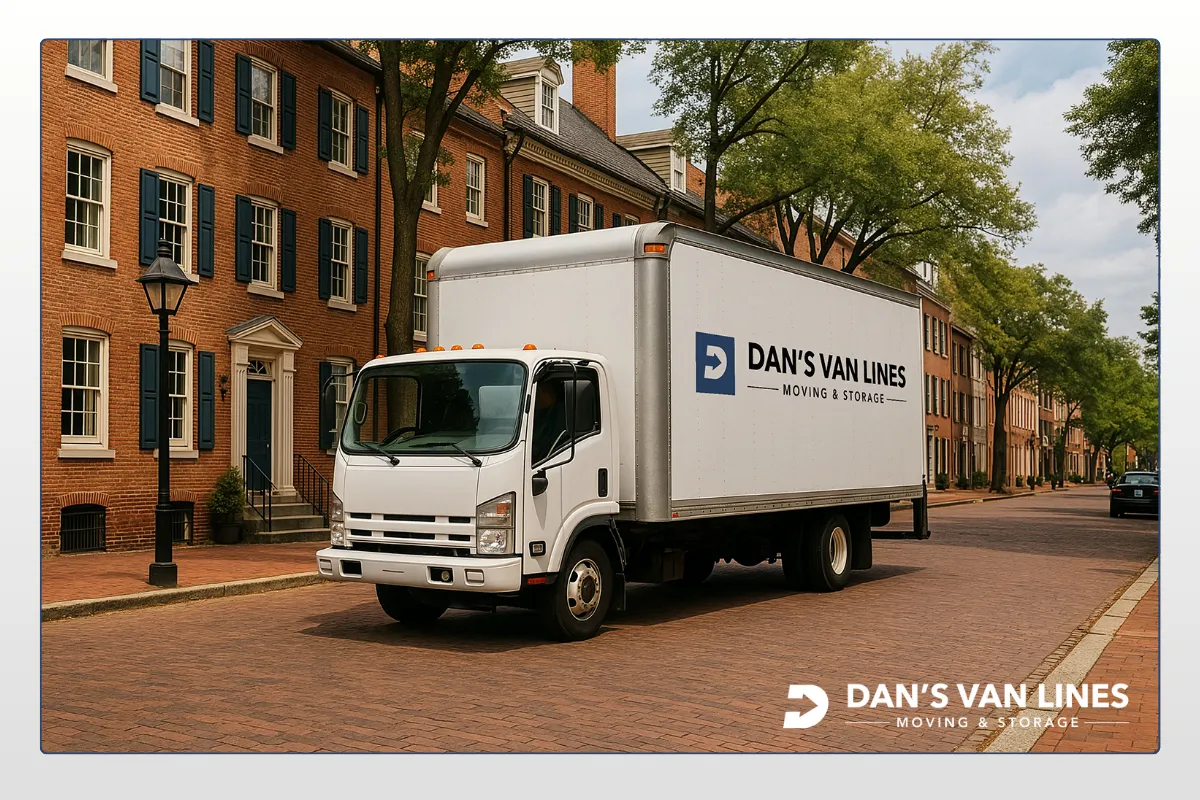
Moving across the country is a major life event that requires careful planning, organization, and the right support. Whether you’re relocating for a new job, family, or a fresh start, the process can feel overwhelming without a clear roadmap. This guide provides actionable cross country moving tips to help you manage costs, create an effective timeline, choose the right moving company, and ensure a stress-free transition to your new home.
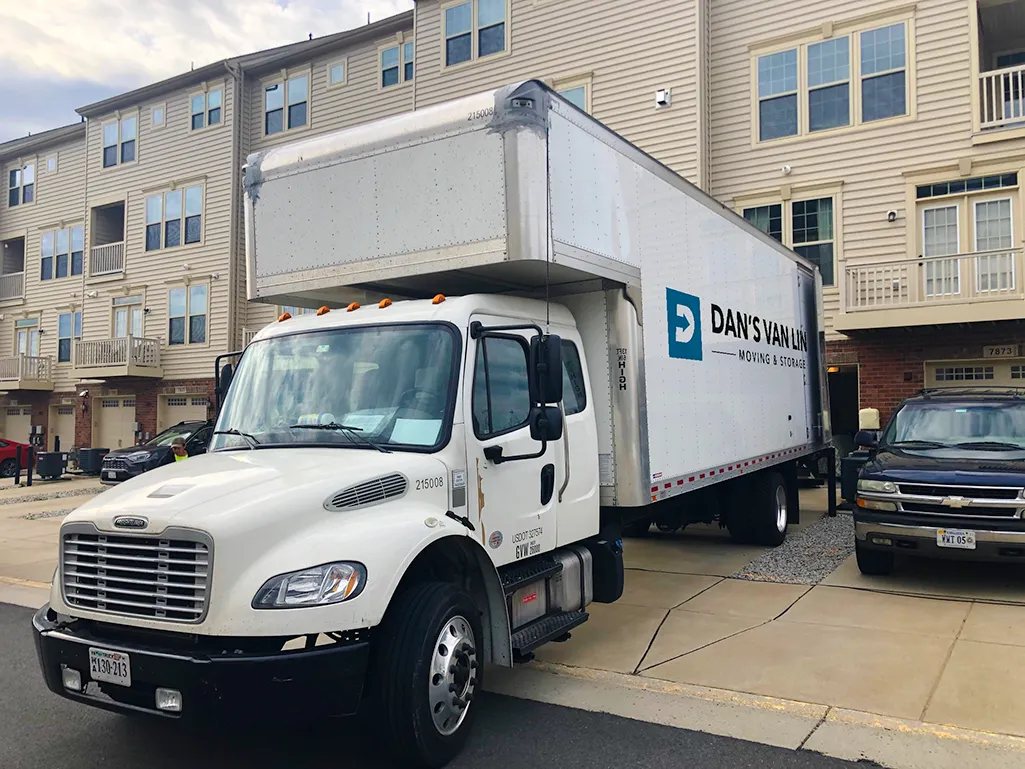
In Alexandria, VA, Dan's Van Lines are your trusted specialists for local and long distance moves. If anything is unclear as you read this guide, feel free to contact us for expert advice and support.
Understanding Cross-Country Moving Costs and Budgeting
One of the first steps in planning a cross-country move is understanding the financial commitment involved. Costs can vary widely based on distance, home size, and the services you choose. On average, moving cross-country ranges from $1,000 to $14,000, with most moves falling between $3,100 and $7,300 depending on the method and home size. For example, a studio or one-bedroom move typically costs $700–$3,000, while a three-bedroom move can reach $8,000 or more.
Base moving costs are just the beginning. Additional fees may include:
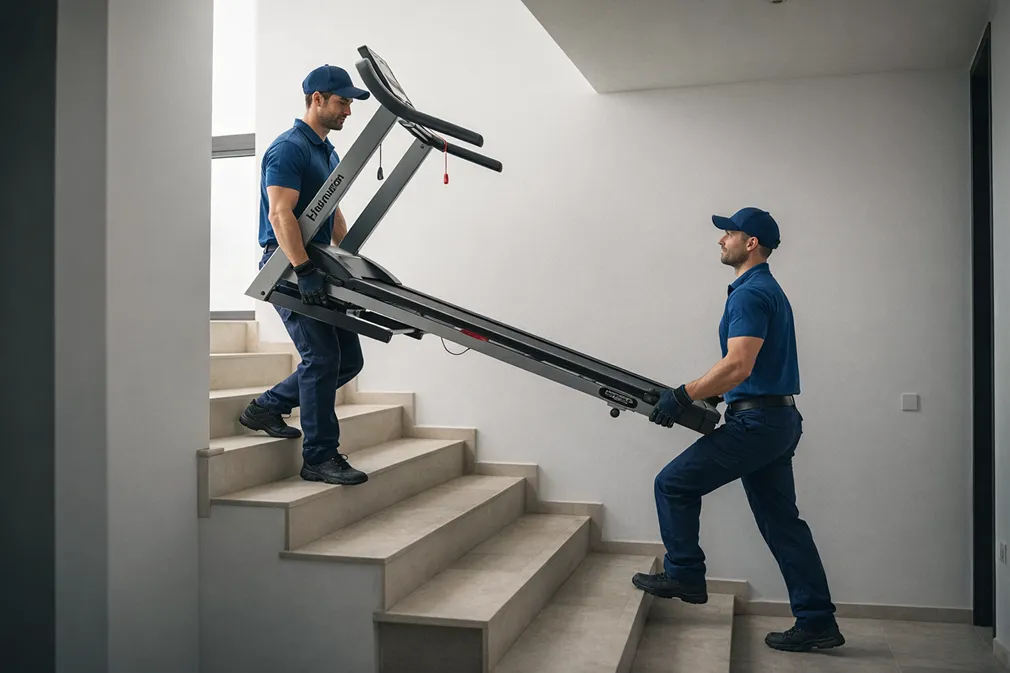
- Special handling or difficult access (e.g., stairs, elevators): $100–$1,500+
- Packing/unpacking, furniture assembly, storage, and insurance: $200–$1,000+
- Toll roads and fuel: 10–20% of base cost, plus route-specific tolls
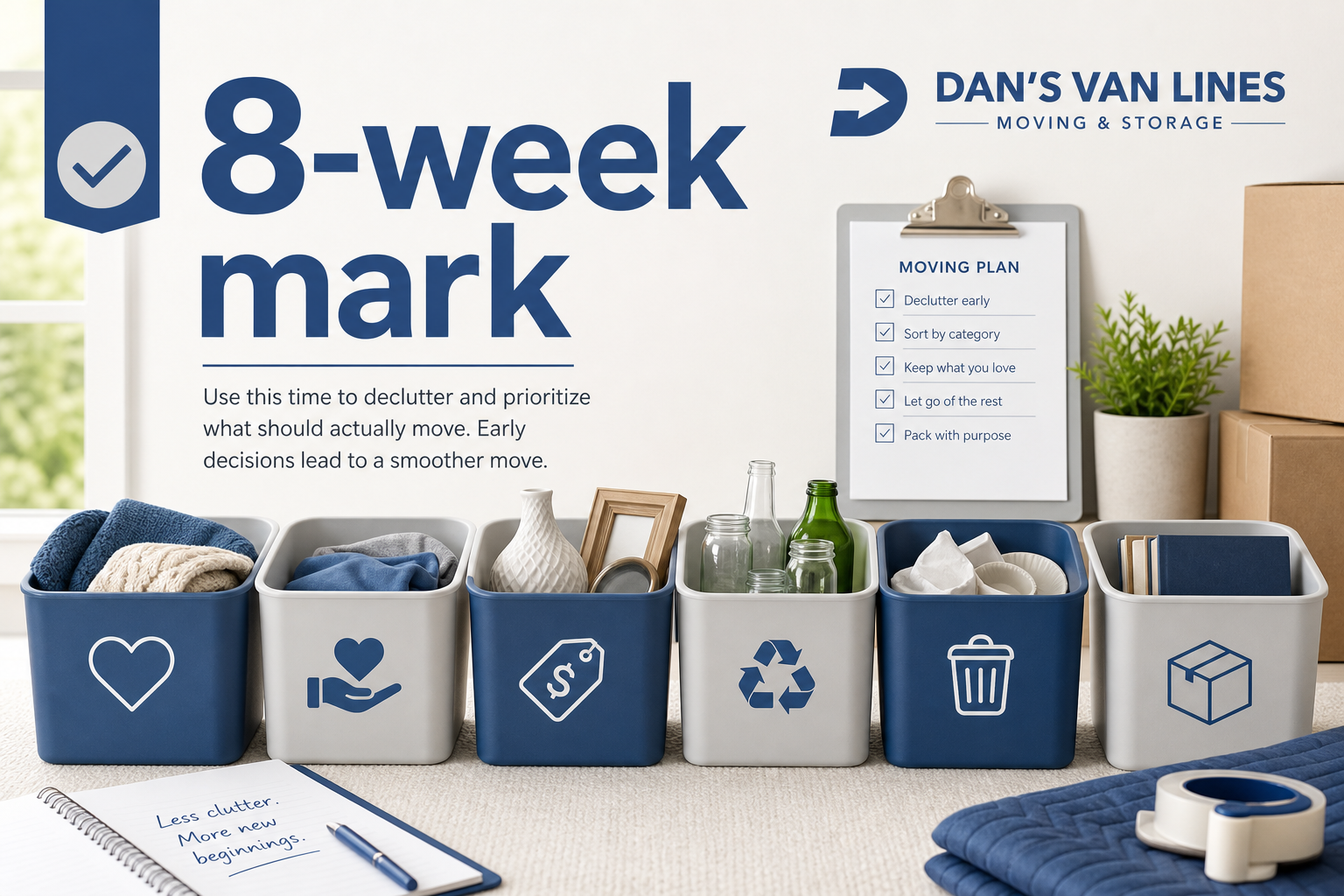
To avoid surprises, start building your moving budget 8-12 weeks before your move. Include all anticipated expenses, professional moving fees, packing supplies, travel, lodging, and meals. Don’t forget to set aside a cushion for unexpected costs like repairs or extra travel days.
Cost-Saving Strategies for Your Move
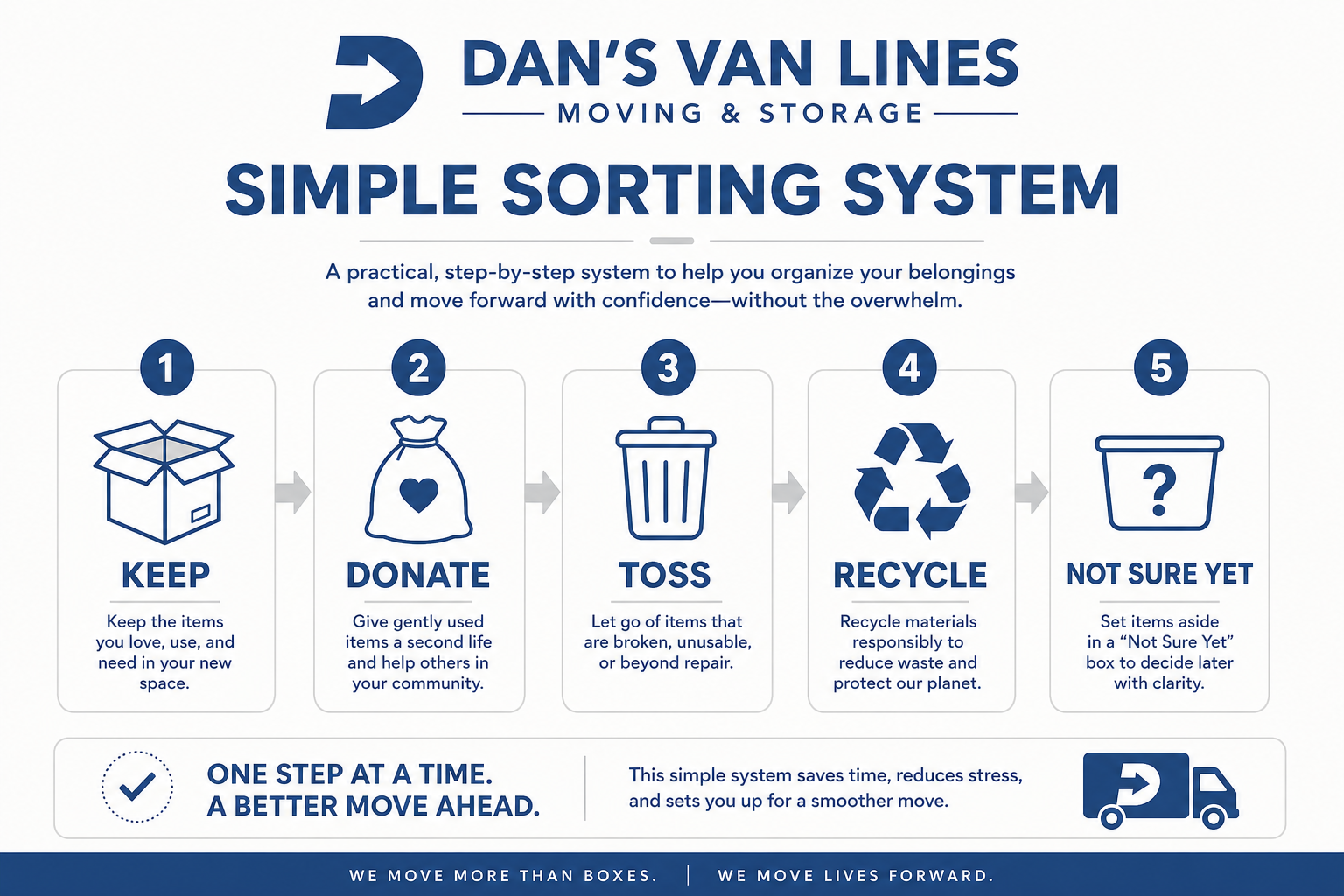
Reducing the weight and volume of your shipment is one of the most effective ways to lower moving costs. Declutter your home by selling, donating, or discarding items you no longer need. Packing your own boxes can also save hundreds or even thousands of dollars compared to hiring professional packers. Look for free boxes at local stores or use household items like towels and clothes for padding to cut down on packing supply expenses.
Creating an Effective Moving Timeline
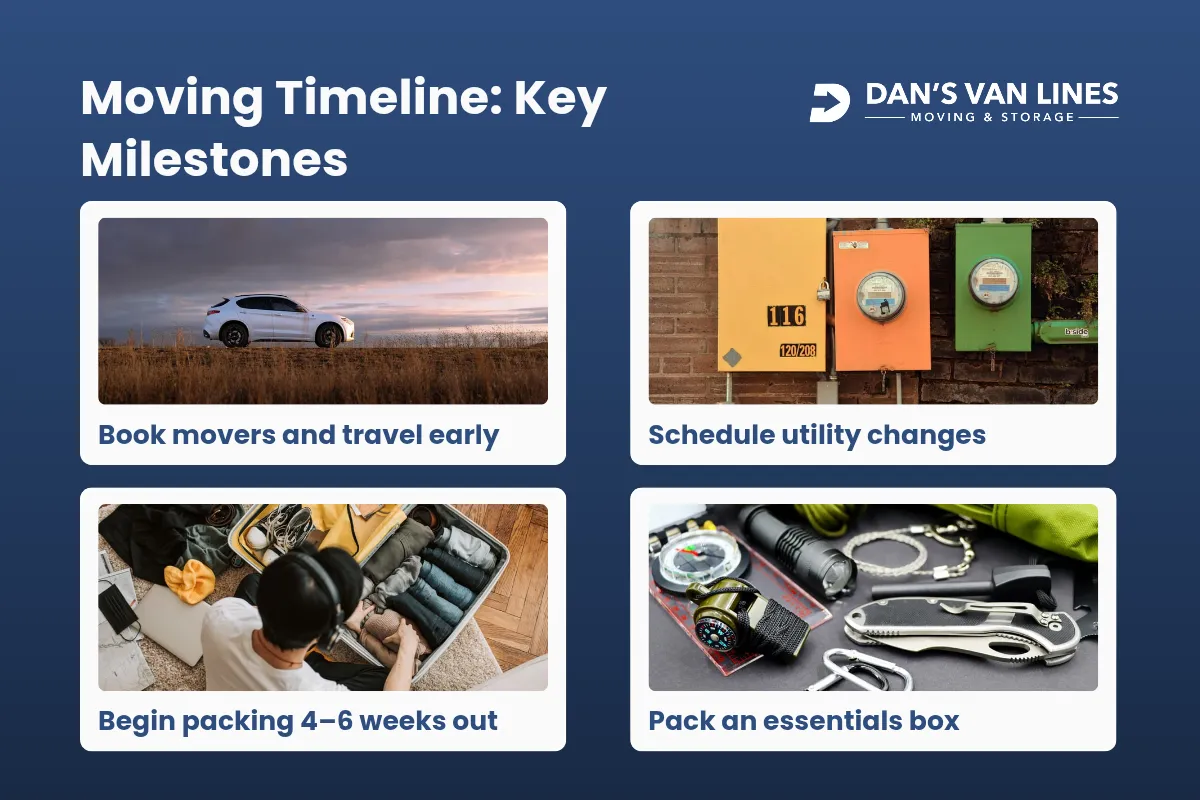
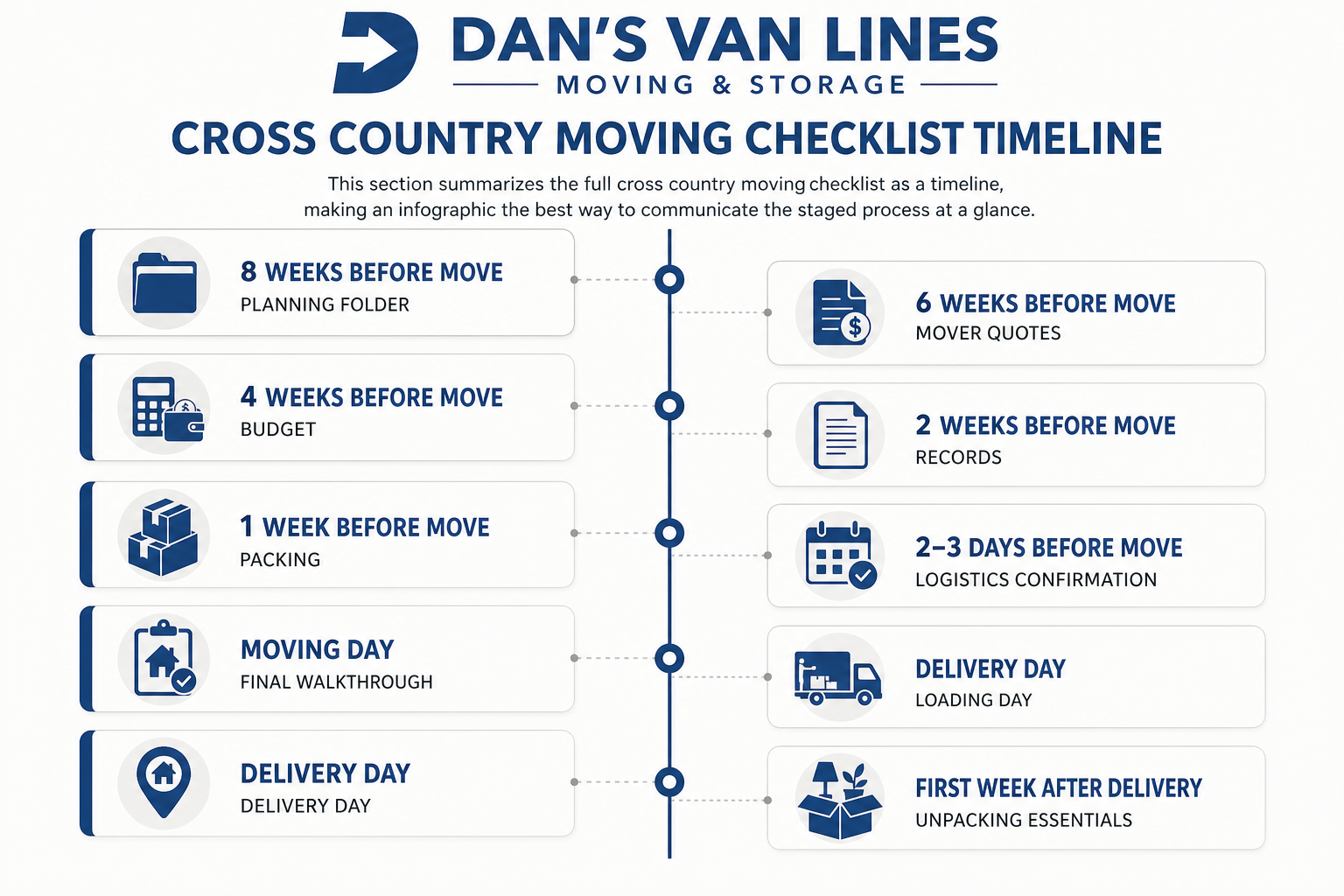
Time management is crucial for a successful cross-country move. Begin planning 8-12 weeks before your move date to secure reputable movers, arrange travel, and organize your packing. This lead time helps you avoid last-minute stress and higher costs due to limited availability.
Work backward from your move date to set key milestones. Identify when to start packing, schedule utility changes, and confirm storage or travel arrangements. Build in buffer days to accommodate unexpected delays, such as weather or scheduling conflicts.
Packing Timeline and Organization
Start packing 4-6 weeks before your move, or even earlier if possible. Begin with items you rarely use and gradually work toward daily essentials. Packing in phases keeps the process manageable and reduces the risk of damage or misplaced belongings. As your move date approaches, pack an essentials box with toiletries, a change of clothes, and important documents for easy access upon arrival.
Route Planning for Cross-Country Moves
Planning your travel route is often overlooked but can make a significant difference in your moving experience. If you’re driving, select your route before booking accommodations. This allows you to identify family-friendly hotels and plan stops for meals, rest, and refueling. Consider road conditions, weather, and the availability of rest stops along the way.
For families, breaking up the journey with overnight stops can reduce stress and fatigue. Research toll roads and fuel costs in advance, as these can add 10–20% to your base moving expenses. If you’re moving to or from a major city, check for parking restrictions that could affect your moving logistics.
Travel Essentials for a Smooth Journey
Prepare a travel kit with snacks, water, entertainment, and comfort items for all passengers. If you’re moving with pets or children, plan for frequent breaks and pack their favorite items to ease the transition. Keep important documents, medications, and valuables with you rather than in the moving truck.
Choosing the Right Moving Company
Partnering with a reputable moving company is one of the most important decisions you’ll make. A reliable mover ensures your belongings arrive safely and on time, while a poor choice can lead to delays, hidden fees, or damaged items. Here’s how to make an informed decision:
- Obtain at least three quotes from different companies. Compare binding and non-binding estimates, and ensure each quote is based on a thorough inventory of your belongings.
- Check reviews on platforms like Yelp, Google, and the Better Business Bureau. Look for recent feedback, especially from customers who completed cross-country moves.
- Verify that the company is licensed and insured for interstate moves. All interstate movers must be registered with the Federal Motor Carrier Safety Administration (FMCSA) and have a valid USDOT number.
- Ask about the company’s experience with cross-country moves, their process, insurance coverage, and how they handle special items or customer support issues.
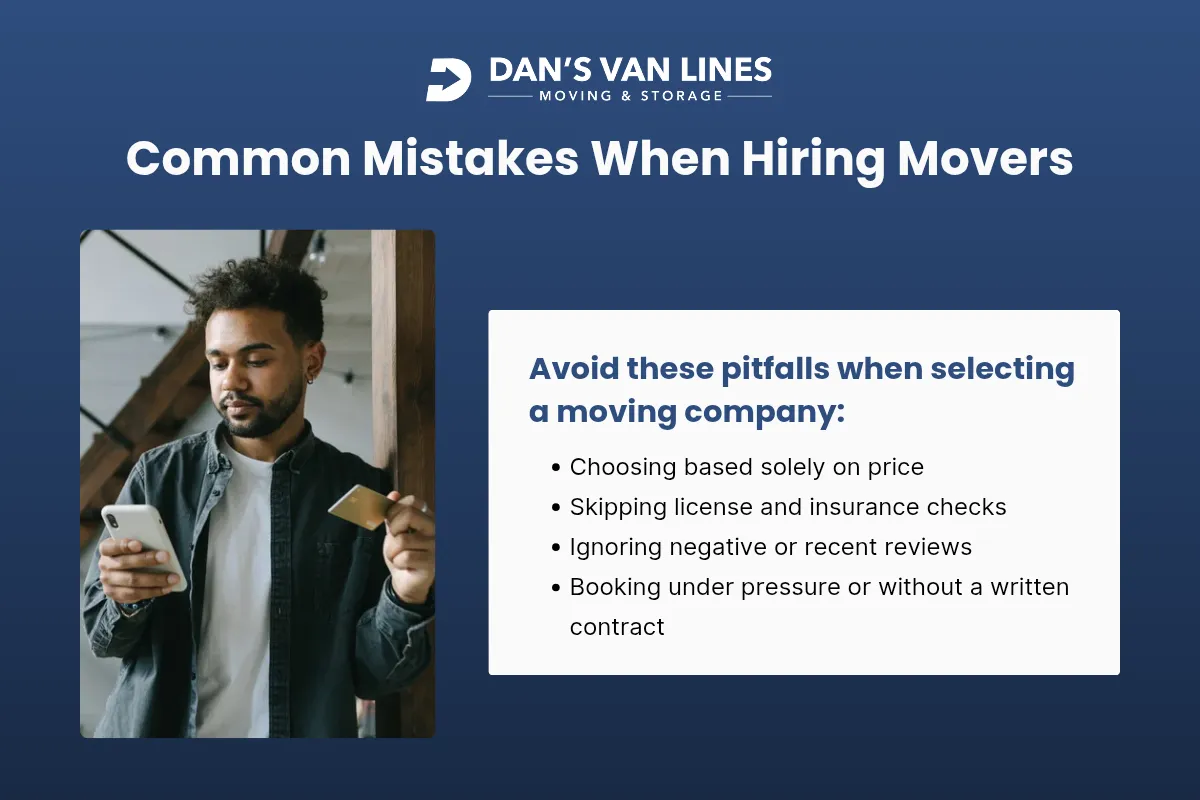
Avoid choosing a mover based solely on price. Extremely low quotes can be a red flag for limited services or hidden fees. Trust your instincts, if a company’s communication or professionalism feels off, consider other options.
Common Mistakes to Avoid When Selecting Movers
Many people make the mistake of skipping research or choosing the cheapest option. This can result in inexperienced staff, poor packing materials, and minimal support. Always check for licensing, insurance, and a proven track record with long-distance moves. Be wary of companies that pressure you to book quickly or have a pattern of negative reviews.
Comparing Moving Options: Full-Service, DIY, and Container Services
There are several ways to move cross-country, each with its own pros and cons. Understanding your options helps you choose the best fit for your needs and budget.
- Full-Service Movers: Handle packing, loading, transportation, and unloading. Most convenient but also the most expensive.
- DIY Truck Rental: You pack, load, and drive the truck yourself. This is the most cost-effective but requires significant effort and time.
- Portable Moving Containers: A middle ground, containers are delivered to your home, you pack at your own pace, and the company transports them to your new location. Offers flexibility and can be more affordable than full-service movers.
Consider your budget, timeline, and willingness to handle logistics when choosing your moving method. If you have a tight schedule or need extra help, full-service movers may be worth the investment. For those looking to save, DIY or container services can offer significant cost reductions.
Packing Tips for a Safe and Efficient Move
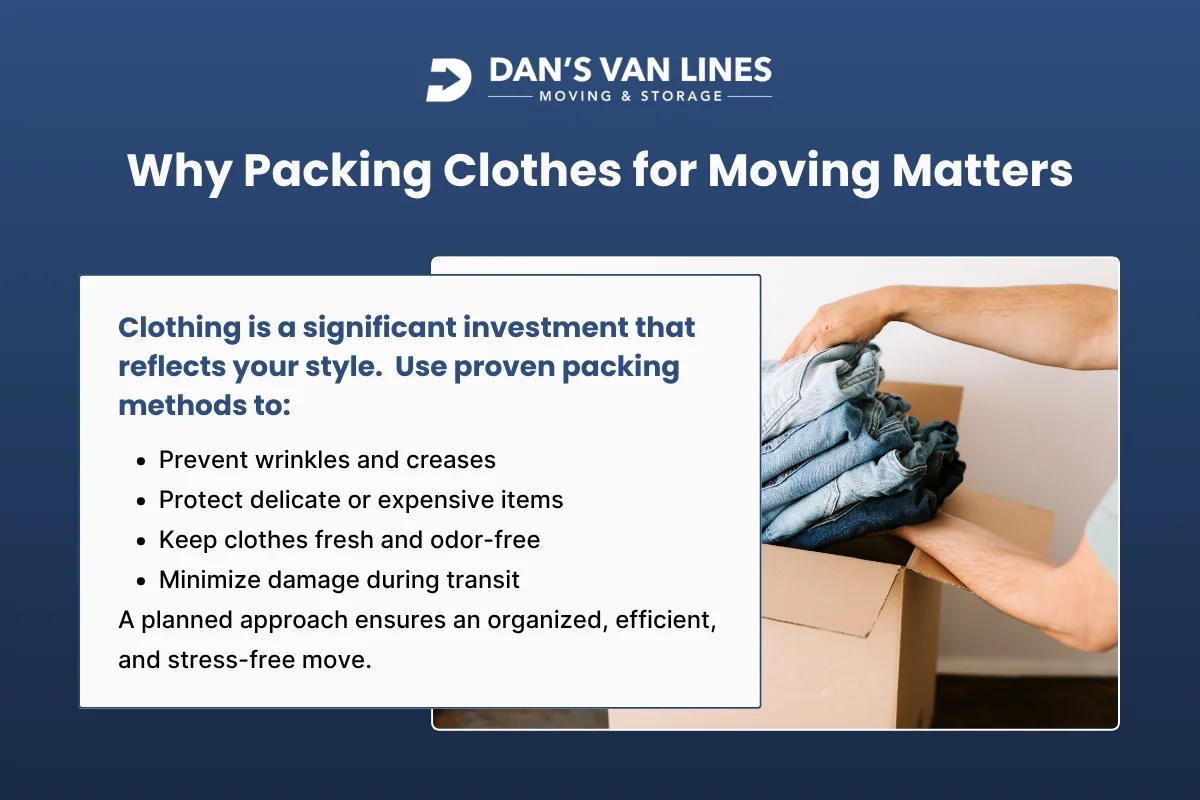
Packing is one of the most time-consuming parts of any move. Start early and use a systematic approach to protect your belongings and streamline the process.
Best Practices for Packing
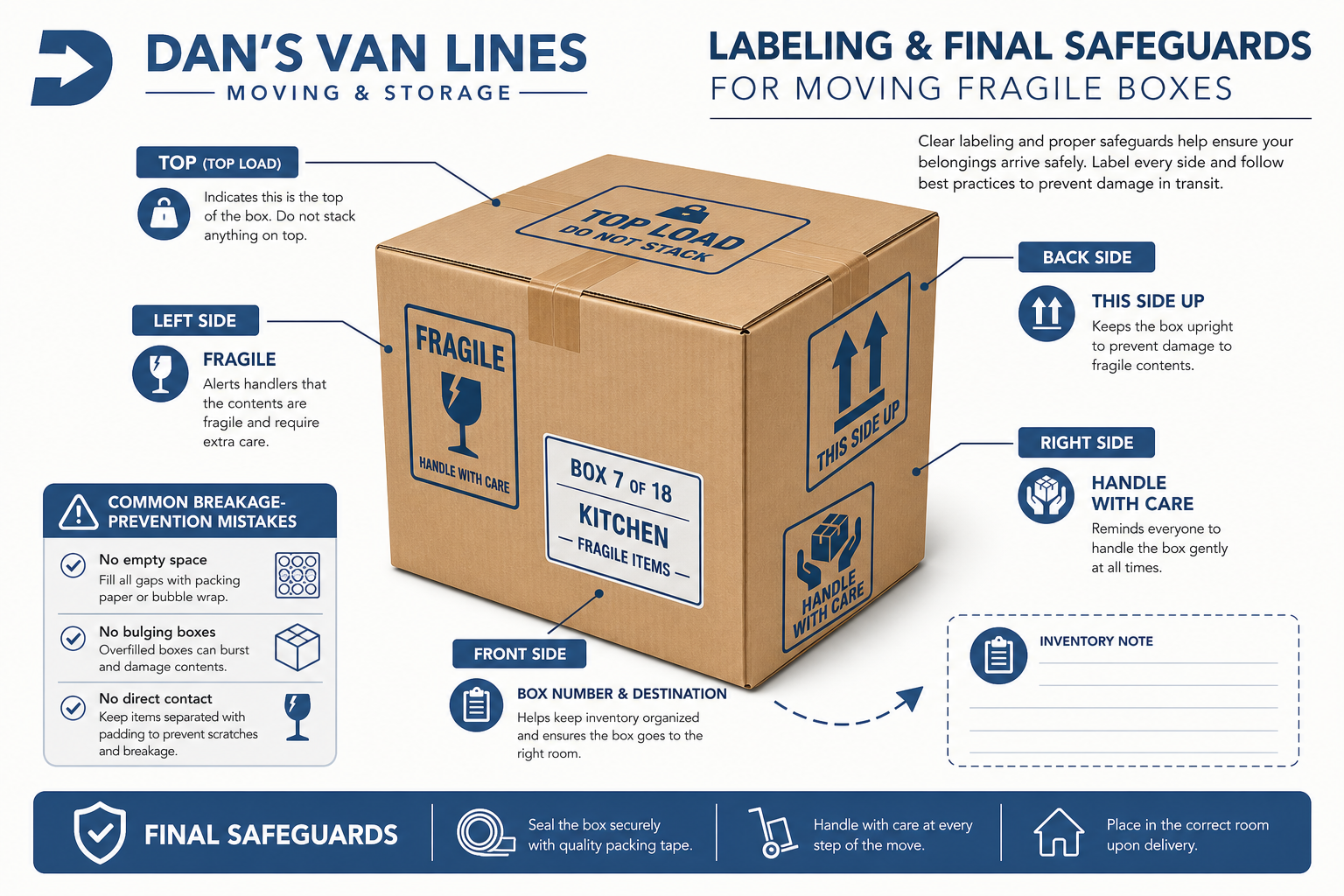
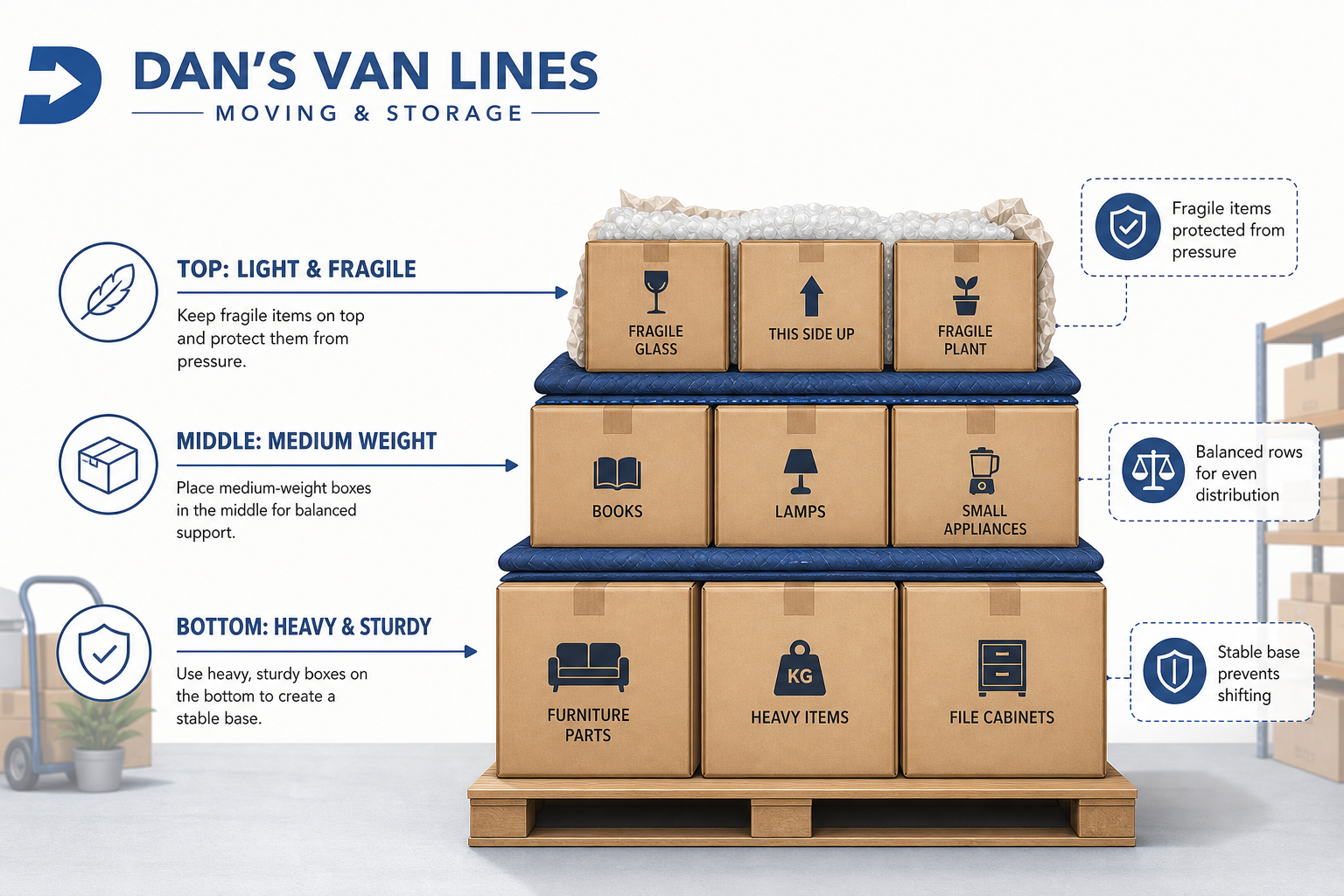
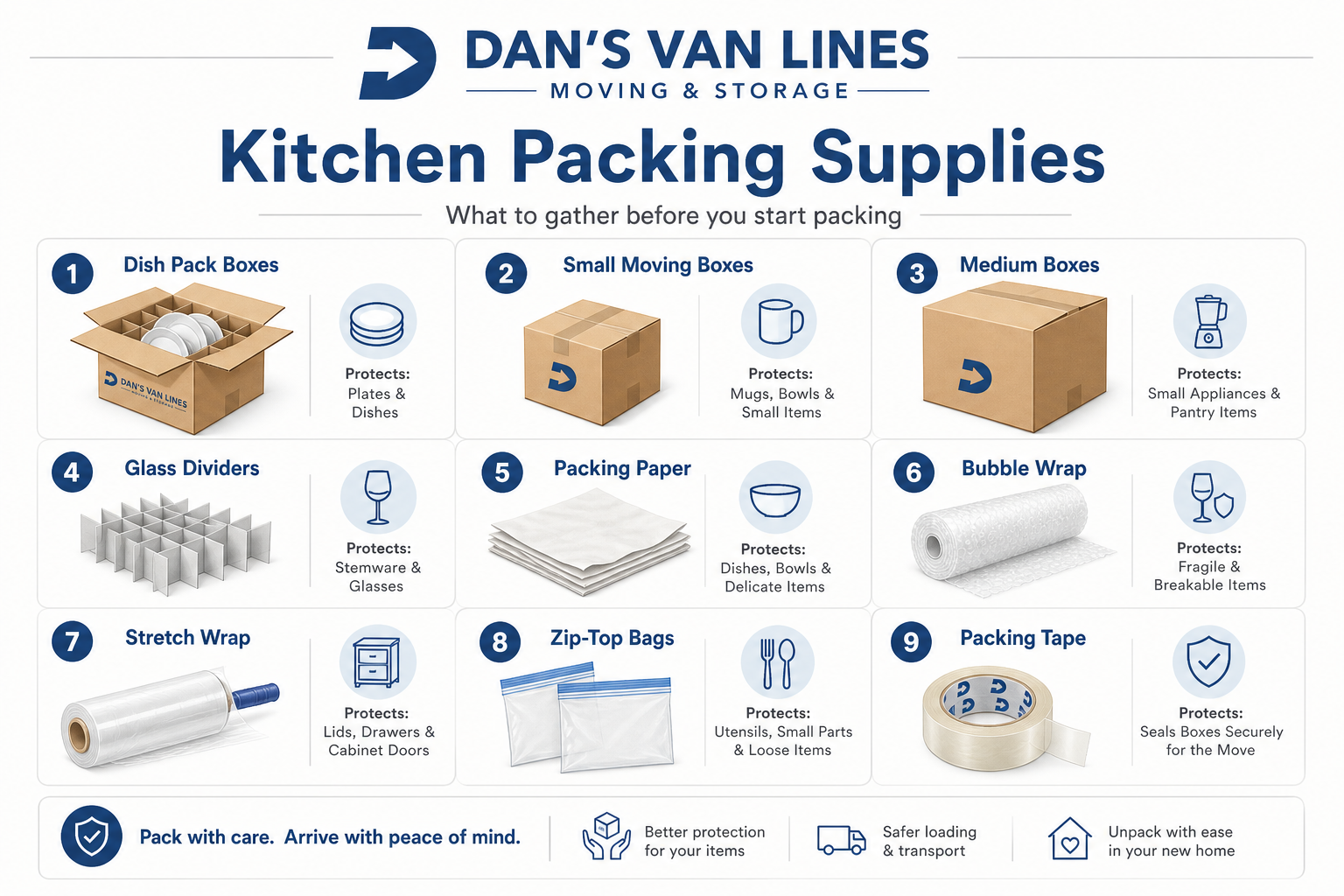
- Use sturdy boxes and high-quality packing materials for fragile items.
- Label each box with its contents and destination room for easy unpacking.
- Pack heavy items in small boxes and lighter items in larger boxes to prevent breakage and make lifting easier.
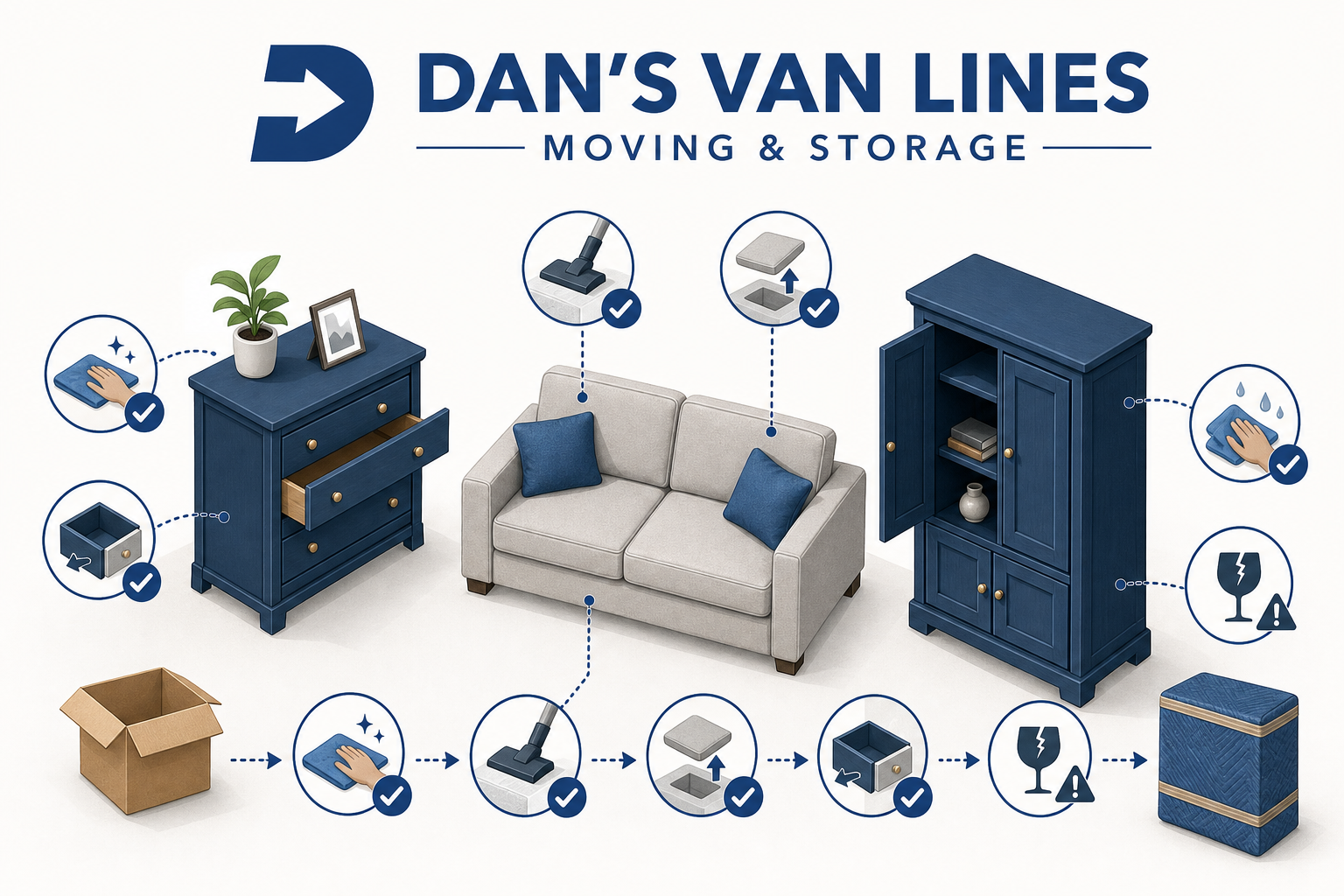
- Disassemble large furniture and keep hardware in labeled bags taped to the item.
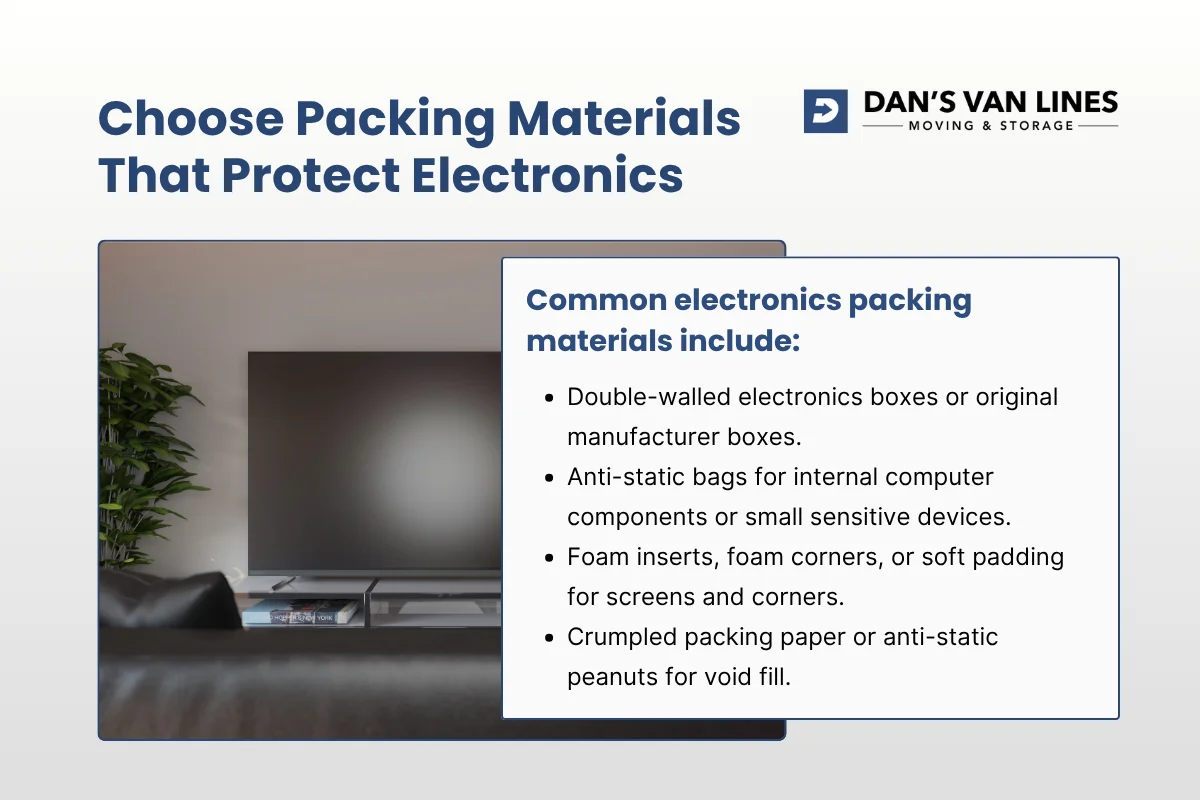
- Wrap electronics and delicate items in bubble wrap or soft materials.
Don’t forget to pack an essentials box with items you’ll need immediately upon arrival, such as toiletries, chargers, basic kitchenware, and a change of clothes.
Managing Utilities, Address Changes, and Final Details
In the weeks leading up to your move, take care of administrative tasks to ensure a smooth transition. Schedule utility disconnections at your old home and connections at your new one. Update your address with the postal service, banks, insurance providers, and any subscription services. Notify friends, family, and important contacts of your new address.
Arrange for final cleaning, repairs, and a walk-through of your old home before handing over the keys. Keep important documents, valuables, and medications with you during the move rather than in the moving truck.
Settling Into Your New Home
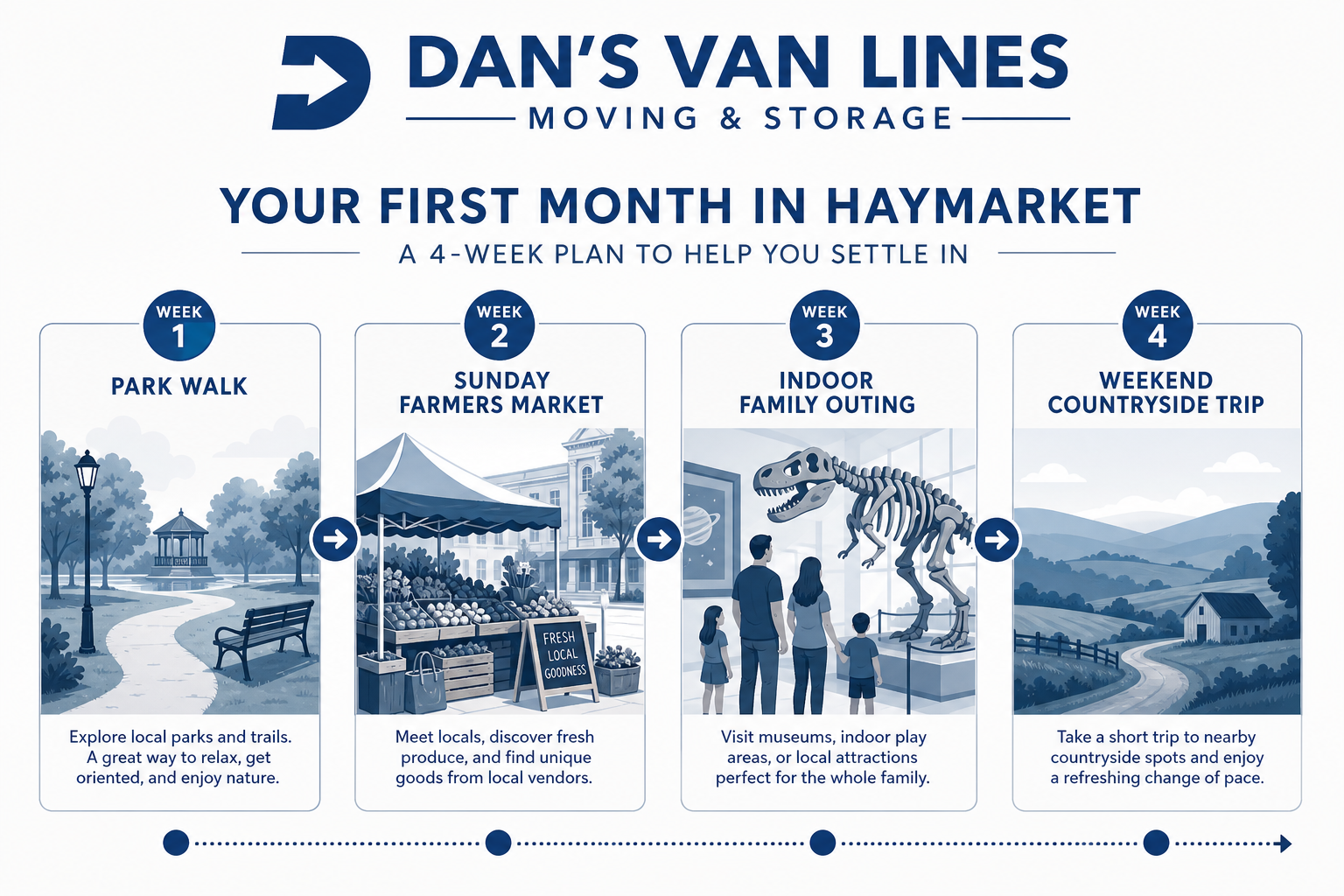
Once you arrive, take time to inspect your belongings and check for any damage or missing items. Unpack essentials first and gradually work through the rest of your boxes. Set up utilities, internet, and other services as soon as possible. Explore your new neighborhood, introduce yourself to neighbors, and locate nearby grocery stores, pharmacies, and other essentials.
Remember, adjusting to a new environment takes time. Give yourself and your family space to settle in and establish new routines.
Why Choose Dan’s Van Lines for Your Cross-Country Move?
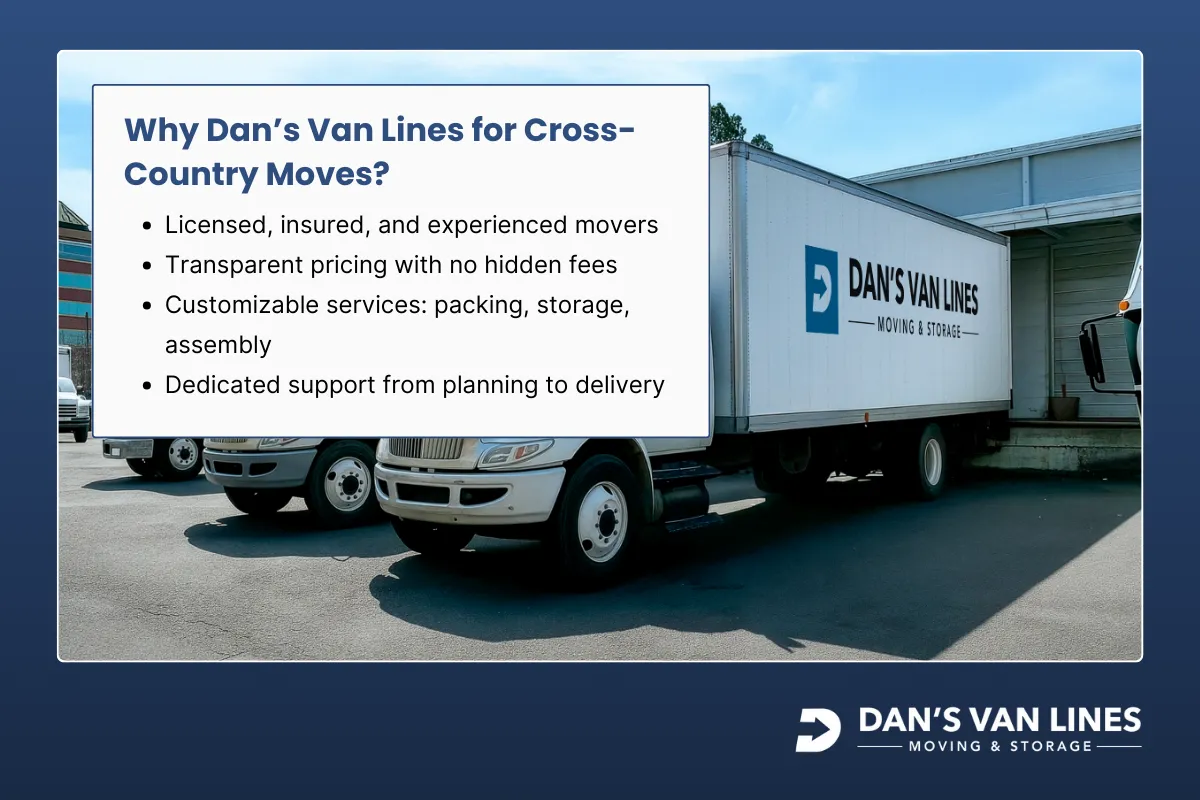
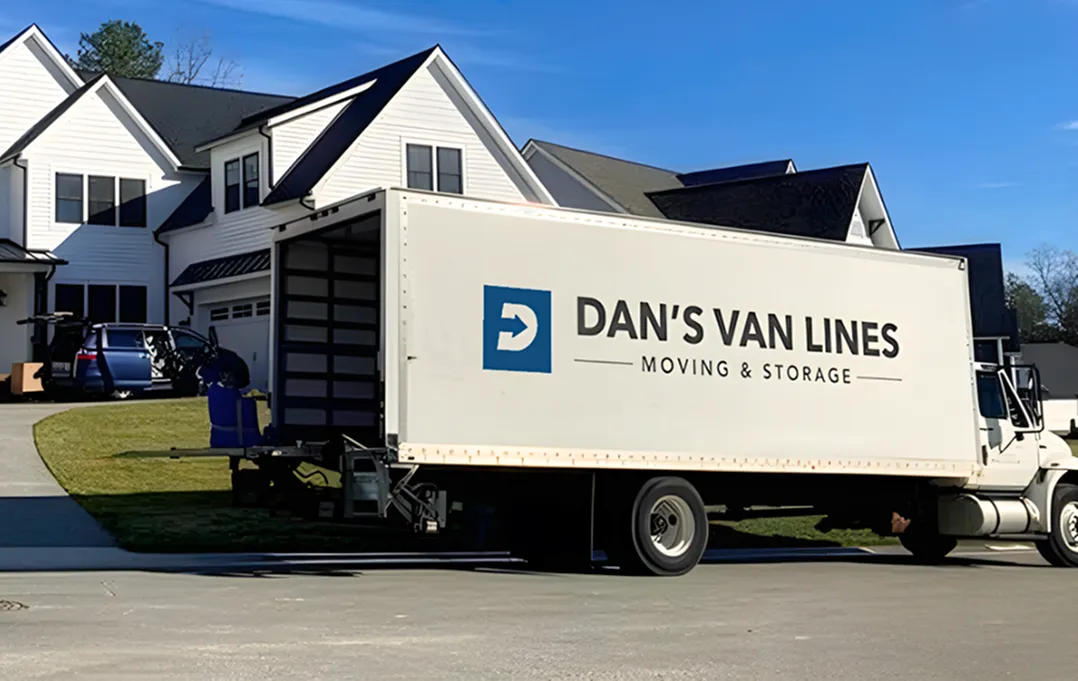
Cross-country moves are complex, but you don’t have to navigate them alone. Dan’s Van Lines offers:
- Experienced, fully licensed, and insured movers specializing in long-distance relocations
- Transparent pricing with no hidden fees
- Customizable services, including packing, storage, and furniture assembly
- Dedicated customer support from planning to delivery
Our team understands the unique challenges of cross-country moves and is committed to making your transition as smooth as possible. If you’re planning a move from Alexandria, VA or the surrounding area, contact Dan's Van Lines today for a personalized quote and expert guidance every step of the way.








.webp)
%20(1).webp)
.webp)
.webp)

.webp)
.webp)
.webp)


.avif)
%201.svg)

%201.svg)
%201.svg)