

Relocating from the US to Japan is a major life event that requires careful planning, attention to detail, and a willingness to adapt to new cultural and logistical realities. Whether you are moving for work, study, or family, understanding the key steps and differences will help you avoid common pitfalls and settle in with confidence. This guide covers everything from visa requirements and shipping logistics to housing, customs, and what to expect in your first weeks in Japan.
In Alexandria, VA, Dan's Van Lines are your trusted specialists for local and long distance moves. If anything is unclear as you read this guide, feel free to contact us.
Understanding the Big Picture: What Makes Moving to Japan Unique?
Moving to Japan from the US is not just about distance, it’s about navigating a highly structured system with strict documentation, unique housing norms, and a culture that blends deep tradition with cutting-edge modernity. Japan’s approach to visas, customs, and daily life is more regulated than many other Asian destinations, making preparation essential for a successful transition.
.webp)
Key steps include securing a long-term visa with a local sponsor, planning your shipping strategy, understanding customs rules, and preparing for smaller living spaces and different lease structures. These themes are consistent for moves to other Asian countries, but Japan’s requirements are often stricter and more detailed, especially regarding documentation and registration deadlines.
Shipping Your Belongings: Sea vs Air Freight and Downsizing
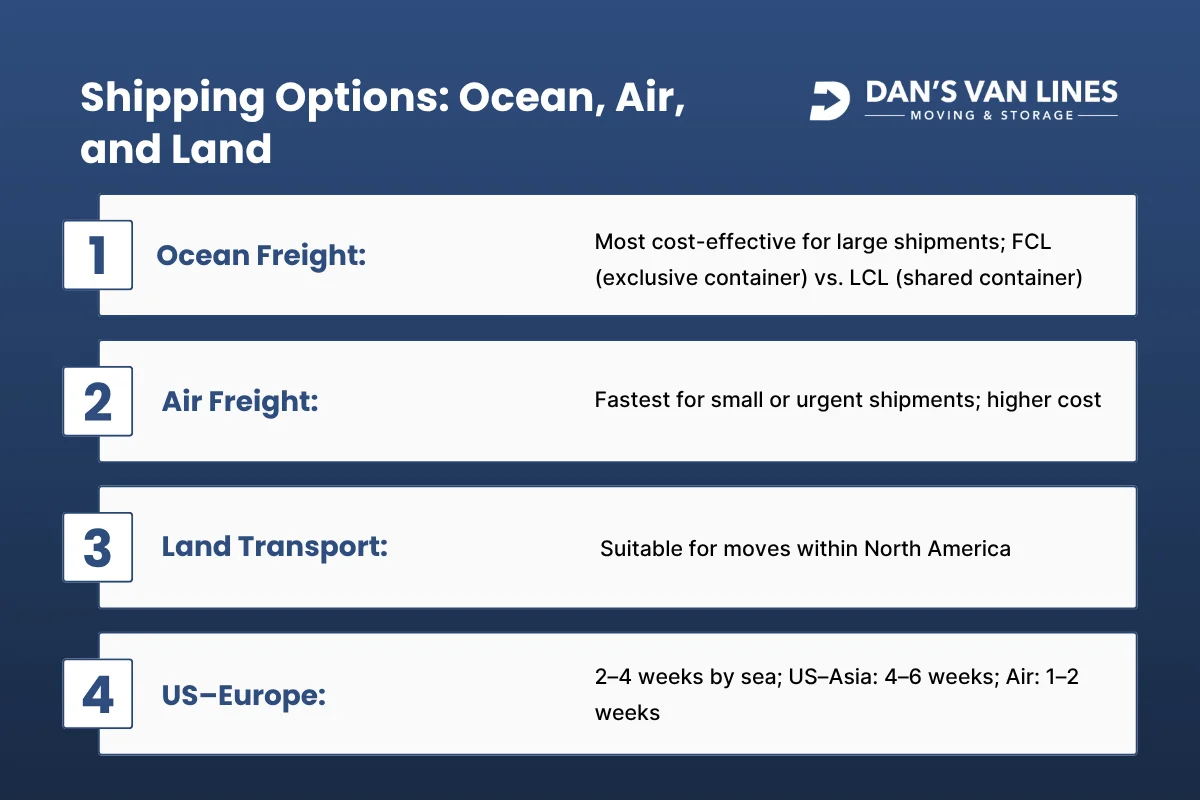
One of the first major decisions is how to ship your household goods. The choice between sea and air freight will impact your budget, timeline, and what you can realistically bring to Japan. Most US-to-Japan moves rely on sea freight for affordability, but air freight is an option for urgent or high-value items.
Sea Freight: The Standard for Most Moves
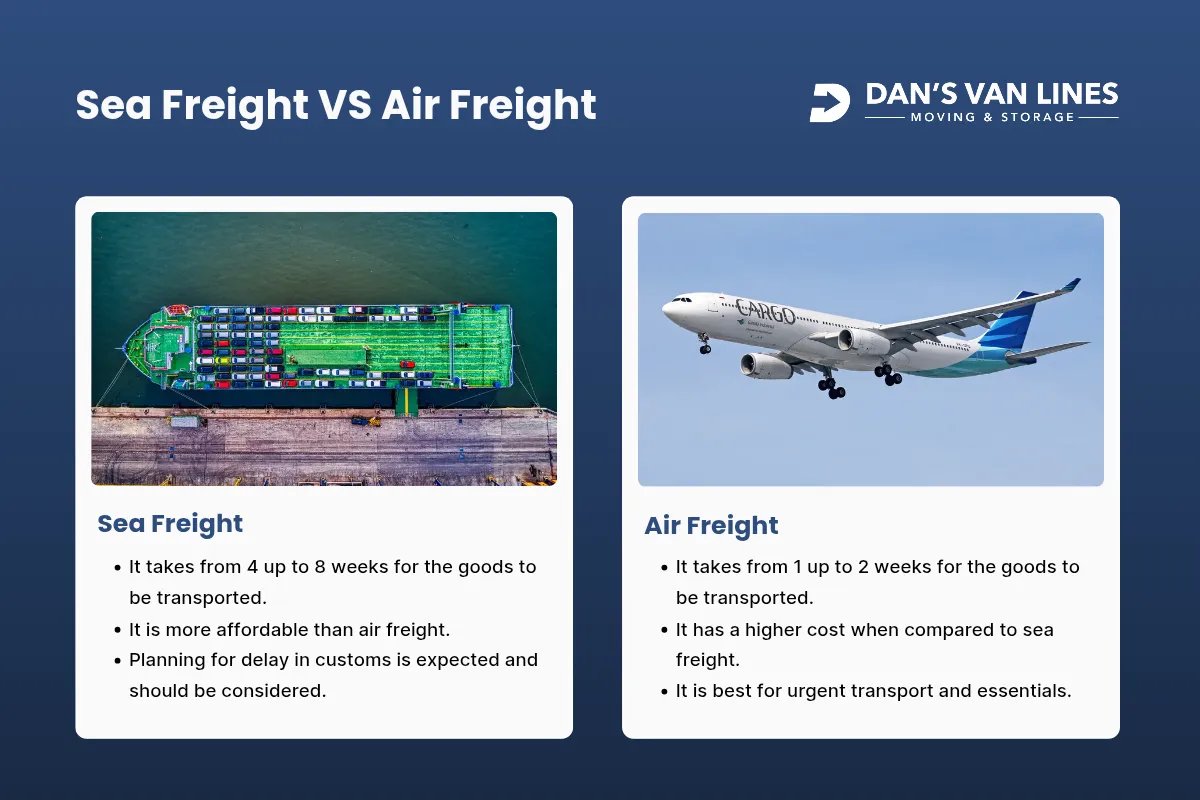
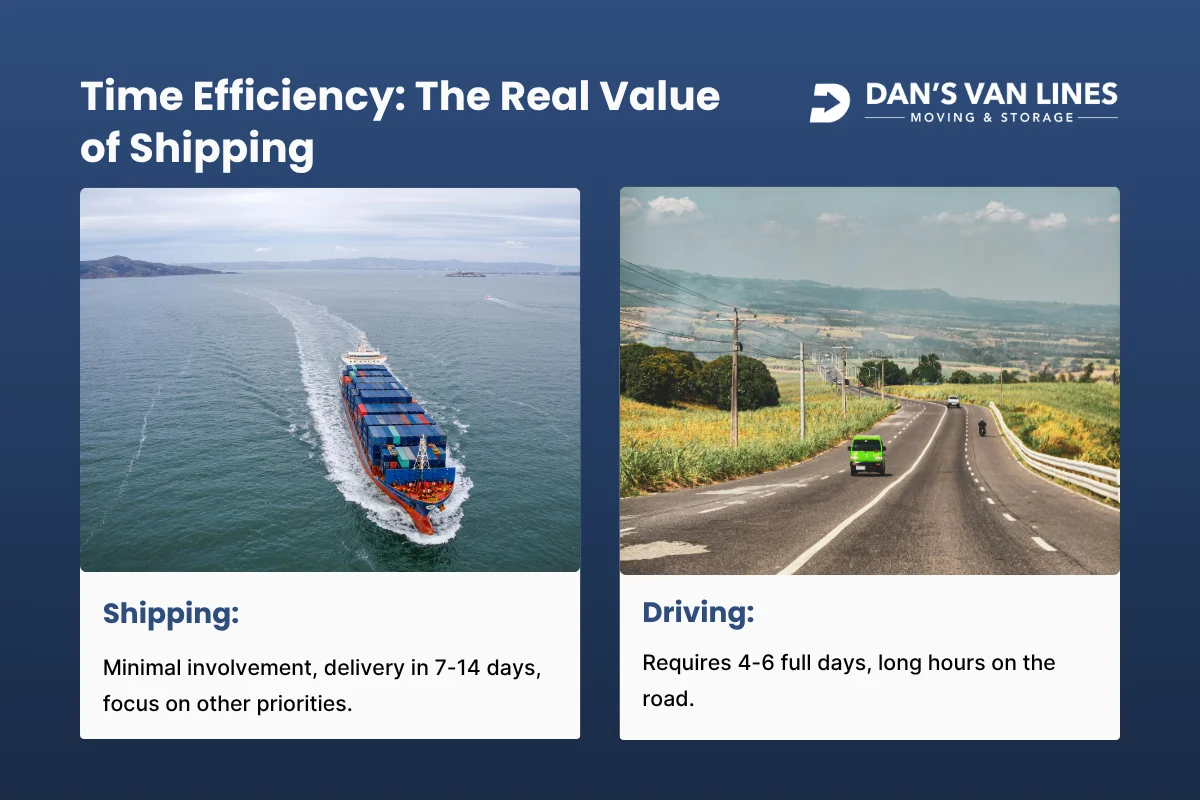
Sea freight is the most common method for shipping household goods to Japan, with typical transit times of 4–8 weeks. This timeline can extend if your shipment is consolidated with others or if customs clearance is delayed. For large shipments, door-to-door delivery may take several months, especially if you include local delivery and storage at the destination port.
Air Freight: Fast but Expensive
Air freight is much faster, usually taking 1–2 weeks, but it comes at a significantly higher cost. It is best reserved for essentials such as documents, computers, and work-related items. The total move time for air freight is often determined more by packing and customs preparation than by the actual flight duration.
Downsizing: A Critical Step
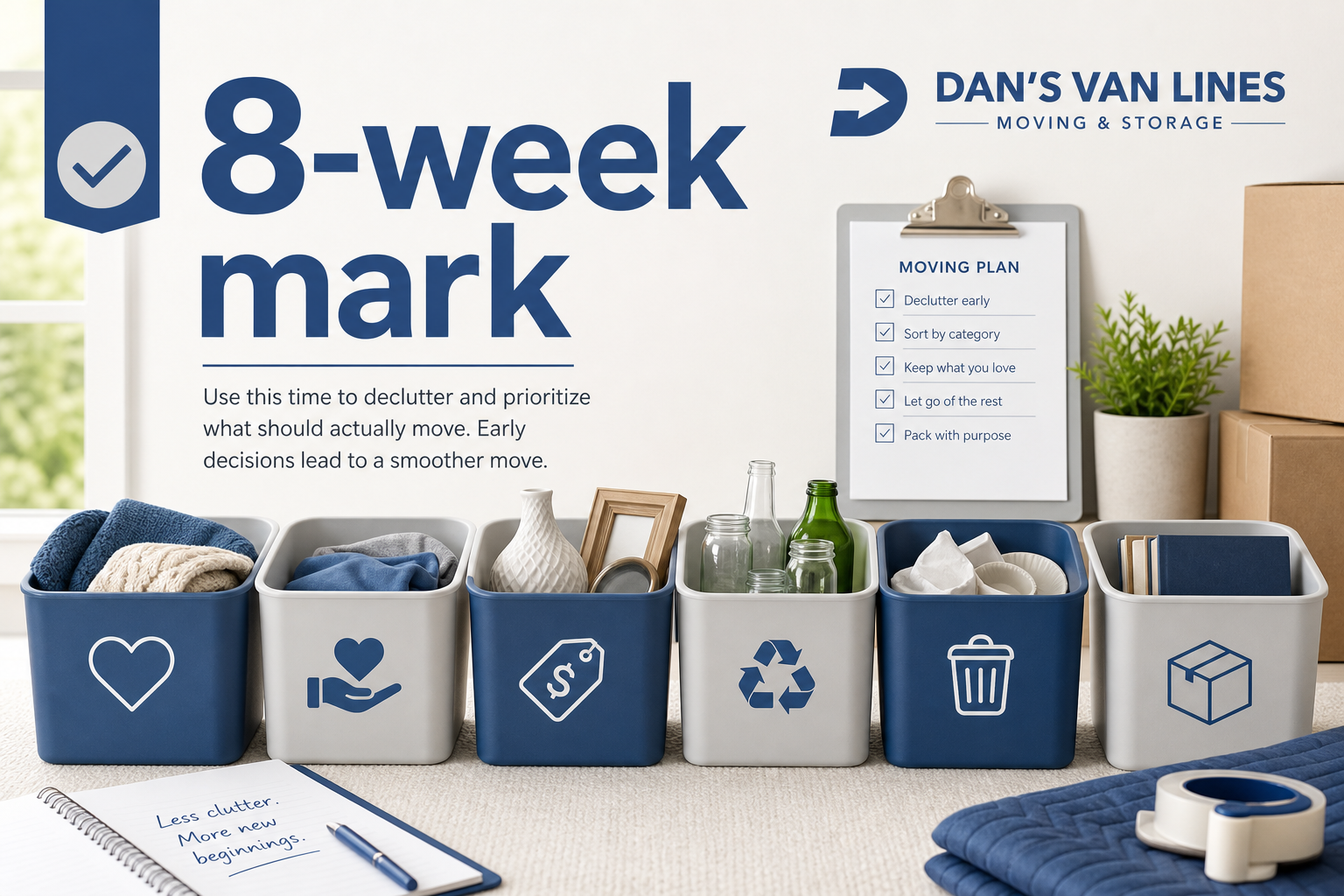
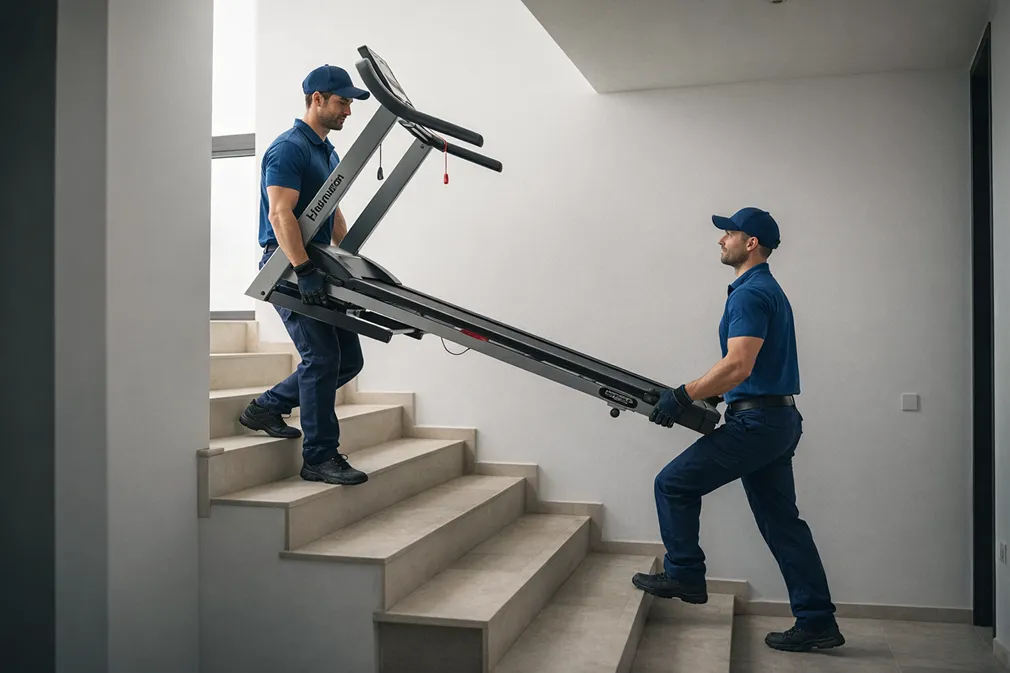
Because Japanese housing is much smaller than typical American homes, downsizing is essential. Most guides recommend:
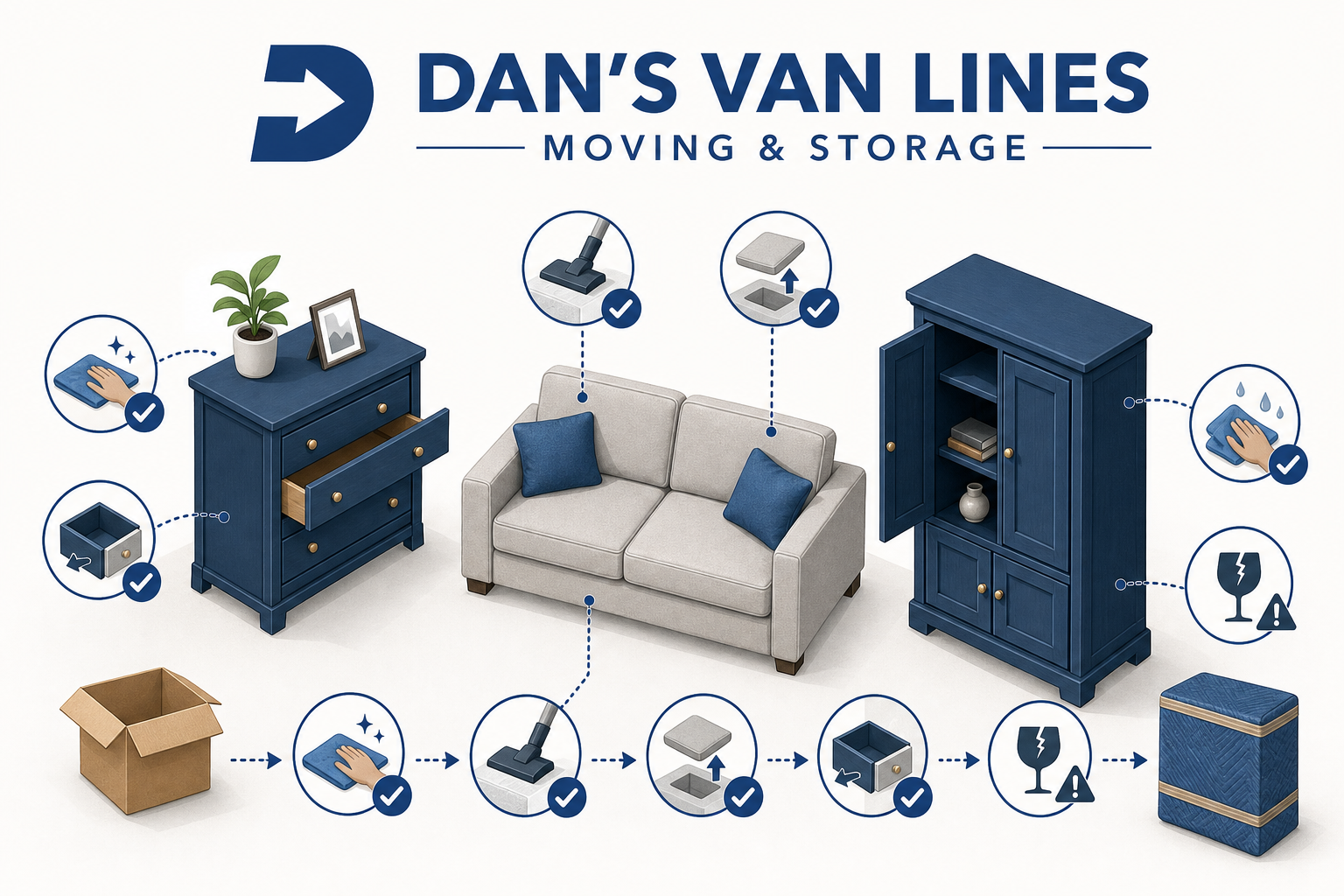
- Deciding early whether to ship a full container, use groupage/LCL (less than container load), send a few air freight boxes, or move with luggage only and buy locally.
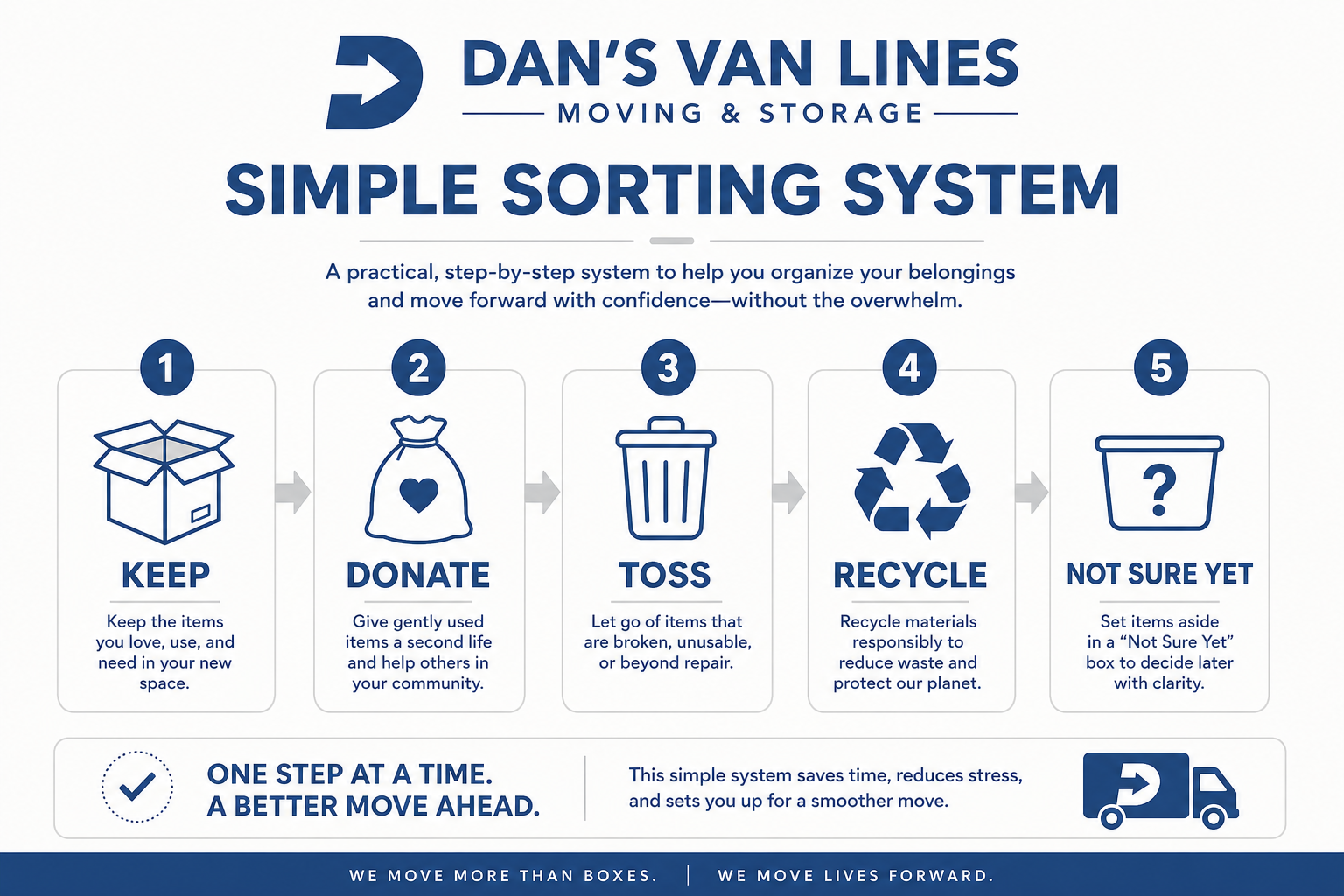
- Holding garage sales or making donations to pare down your belongings.
- Shipping only small, multi-voltage electronics and buying large appliances in Japan, due to voltage and plug differences.
Planning your shipping strategy early will help you avoid unnecessary costs and ensure your belongings fit your new lifestyle.
Customs and Import Rules: What You Need to Know
Japan’s customs process is detailed and requires careful documentation. All shipments, regardless of size, must be accompanied by customs paperwork. Delays in paperwork are a leading cause of extended transit times and additional storage costs at destination ports.
Duty-Free Import and Inventory Requirements
You can import used household goods duty-free if you can prove you have owned them for at least six months before moving. An itemized inventory list, ideally in both English and Japanese, is required to avoid delays. Customs declaration forms must be submitted for all personal effects, and goods must usually be imported within six months of your arrival to qualify for duty-free status.
Restricted and Special Items
Some items, such as certain medications, large quantities of cosmetics, or devices containing radio transmitters, may require prior approval from Japanese authorities. Importing pets is allowed but requires strict adherence to Japan’s quarantine and vaccination rules. Japan is also very strict about contraband, including weapons, illegal drugs, and some agricultural products.
Documentation Best Practices
Keep both digital and physical copies of your passport, visa, shipping inventories, and customs forms. This will help speed up customs clearance and avoid costly delays. Even for small shipments, proper documentation is non-negotiable.
.webp)
Housing in Japan: What’s Different and How to Prepare
Housing in Japan is a major adjustment for most Americans. Apartments are much smaller, especially in cities like Tokyo and Osaka. Compact layouts, multi-purpose rooms, and minimal storage are the norm. Single professionals often live in 1K or 1DK units, which are far smaller than typical US apartments.
Lease Structure and Upfront Costs
Japan is known for unique lease structures that include key money (a non-refundable gratuity to the landlord), agent fees, and sometimes guarantor company fees. Move-in costs can total several months’ rent. Deposits and contract renewal fees are also common, and leases are strict about move-out cleaning and restoration. In contrast, other Asian markets like Singapore or Bangkok may have different norms, but upfront costs are still significant.
Furnishing and Appliances
Many Japanese apartments are unfurnished and may lack large appliances such as refrigerators, washers, or dryers. New arrivals often need to buy or rent appliances locally. Because Japan uses 100V electricity and different plug types, it is usually best to ship only small, multi-voltage electronics and purchase large appliances after arrival.
What to Expect on Arrival: First Steps in Japan
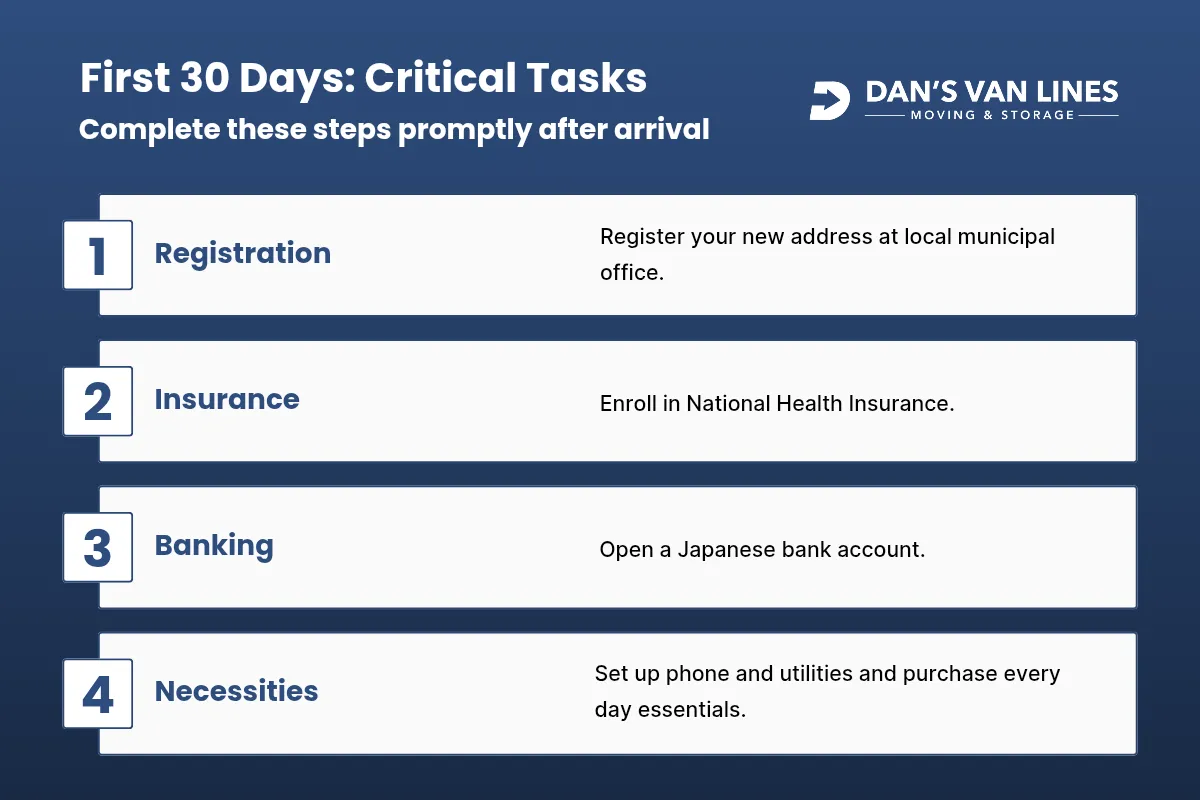
Your first days and weeks in Japan are critical for setting up your new life. Upon arrival, you will receive a residence card (zairyū card) at major airports after your visa is checked. You must present your passport, visa, and Certificate of Eligibility (COE) at immigration. Short-term visitors may enter visa-free for up to 90 days, but this does not permit paid work.
First 14–30 Days: Registration and Setup
Within 14 days of settling at your Japanese address, you must register your address at the local municipal office. This registration is linked to enrollment in National Health Insurance, issuance of your local My Number (tax and social security ID), and your ability to open a Japanese bank account and sign up for phone and utility services. Completing these steps promptly is essential for accessing daily necessities and complying with Japanese law.
Banking, Phones, and Daily Life
Opening a Japanese bank account usually requires a local phone number and your residence card. Some movers recommend starting with an international multi-currency account (such as Wise) to handle rent and daily expenses while your local banking is set up. Always carry your residence card, as it serves as your official ID and may be requested by authorities.
Be prepared for strict garbage separation rules, a cash-heavy (but increasingly cashless) payment culture, and language barriers at city halls, banks, and clinics. These are common sources of culture shock for new arrivals.
Visa, Legal, and Timing Considerations
Securing the correct visa is the foundation of your move. The most common long-term categories are work, student, spouse/dependent, and highly skilled professional visas. Most require a Certificate of Eligibility (COE), which your Japan-based sponsor (employer, school, or spouse) applies for on your behalf. You then submit the COE with your visa application at the Japanese consulate.
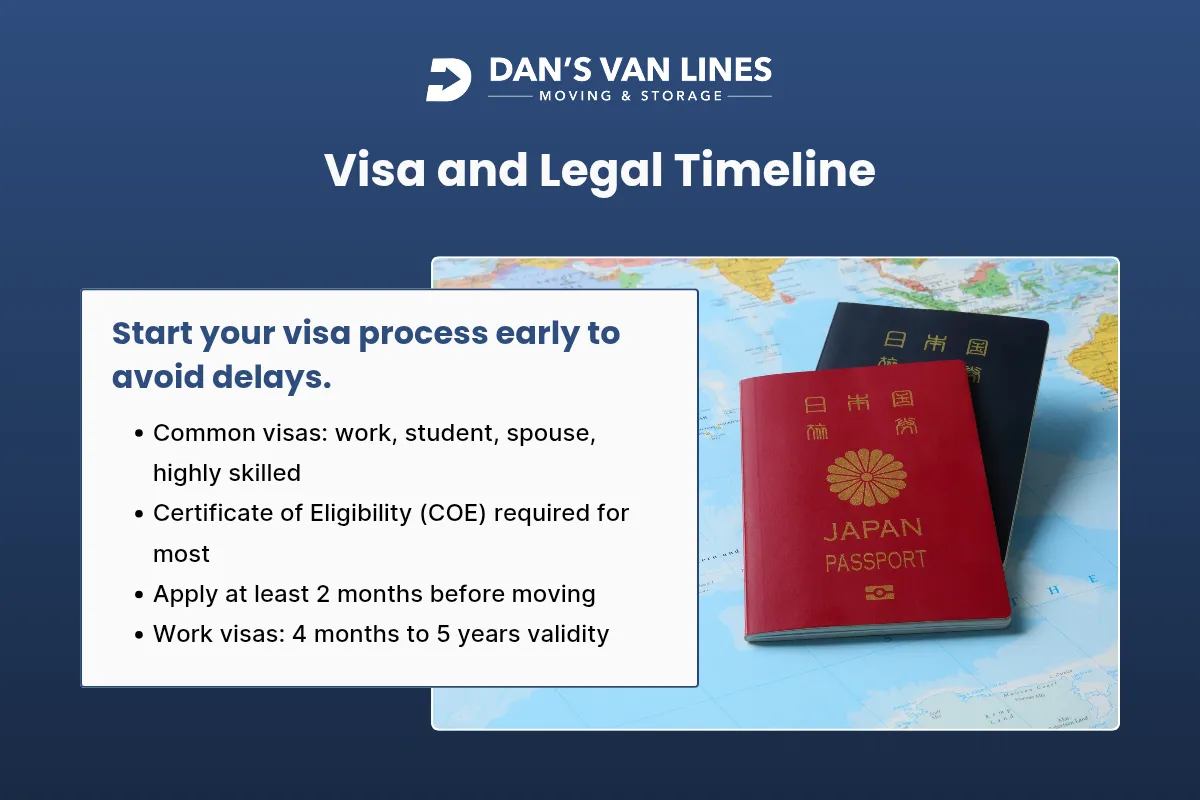
Apply for your long-term visa at least two months before your move to allow for paperwork preparation and processing. Once all documents are in order, embassy visa approval can be as quick as one week. Work visas typically allow stays between four months and five years before renewal is required. On the highly skilled professional track, you may be eligible for permanent residence after as little as one year, depending on your points score.
Financial, Tax, and Pre-Departure Planning
Moving to Japan requires a significant upfront budget. Guides recommend having at least ¥500,000 (about USD 3,200) in savings to cover initial housing deposits, basic setup, and living costs. Expenses include one-way flights, shipping, housing deposits, key money, agency fees, and initial furniture and appliances if not provided.
US citizens remain subject to US tax obligations while living abroad, so you must coordinate US and Japanese tax filings. Understand Japan’s tax residency rules, social insurance contributions, and how to use US foreign earned income exclusions and foreign tax credits to avoid double taxation.
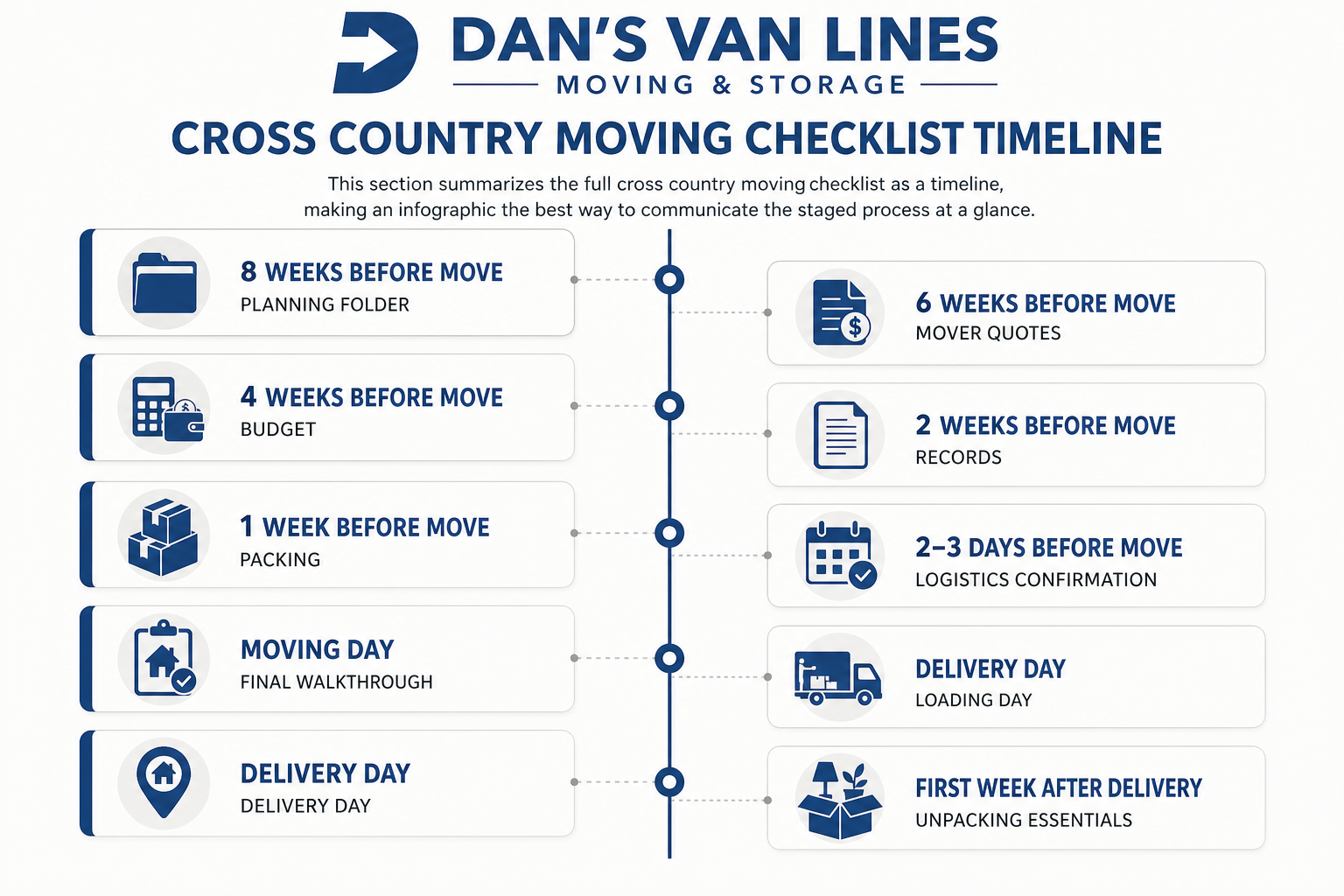
Before leaving the US, settle your housing (end lease, sell or rent out your home), update your mailing address with banks and institutions, notify credit card companies to avoid freezes on overseas transactions, and gather certified copies of legal documents, medical records, and prescriptions. Bring at least a three-month supply of essential medications.
Cultural and Lifestyle Adjustments: Embracing Life in Japan
Japan offers a unique blend of deep tradition and high-tech modern life. Efficient public transport, convenience stores, and a growing cashless payment culture coexist with strong etiquette norms. The language barrier is the single biggest daily challenge for many US expats, and there are strong expectations around politeness, punctuality, and quietness in residential buildings.
Strict norms on waste sorting, noise, and common-area cleanliness are enforced in most apartments. While other Asian destinations like Singapore and Hong Kong may be more English-friendly, Japan’s structured approach to daily life is a defining feature of the expat experience.
Why Choose Dan's Van Lines for Your International Move?
Moving to Japan from the US is a complex process that demands careful planning, reliable logistics, and expert guidance. Dan's Van Lines offers:
- Personalized moving plans tailored to your timeline and budget.
- Expert packing and shipping services, including sea and air freight options.
- Assistance with customs paperwork and documentation to avoid costly delays.
- Support for downsizing and preparing your belongings for smaller Japanese homes.
- Trusted advice on every step, from pre-departure planning to arrival in Japan.
Serving Alexandria, VA, Dan's Van Lines combine local expertise with international moving experience. If you have any questions at any point in your relocation journey, do not hesitate to contact Dan's Van Lines. Let us help you make your move to Japan as smooth and stress-free as possible.











.webp)
%20(1).webp)
.webp)
.webp)

.webp)
.webp)
.webp)

.avif)
%201.svg)

%201.svg)
%201.svg)