
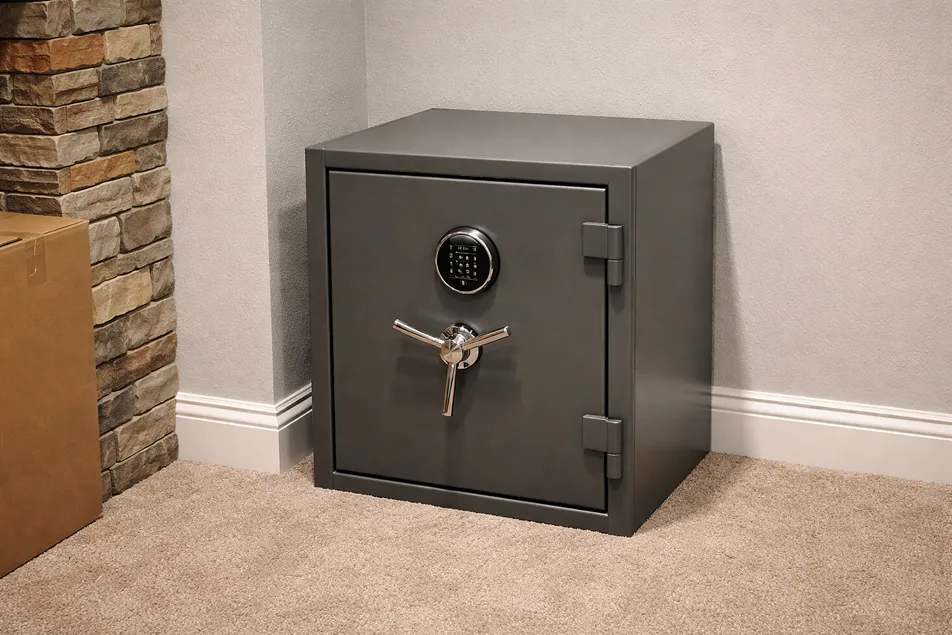
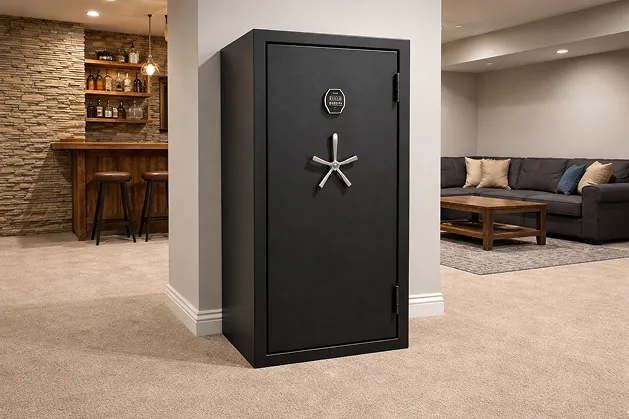
Moving a heavy safe is a task that goes far beyond standard lifting and carrying. Safe movers are highly trained specialists who use advanced planning, specialized equipment, and strict safety protocols to relocate safes that can weigh thousands of pounds. Whether you’re a compliance professional at a financial institution or a facilities manager responsible for asset security, understanding the methods and tools used by safe movers is essential for ensuring a smooth, damage-free relocation.
Here in Alexandria, VA, Dan's Van Lines are known for dependable local and long distance moving. If you need clarification on anything in this guide, please get in touch.
Why Safe Movers Are Essential for Heavy Safe Relocation
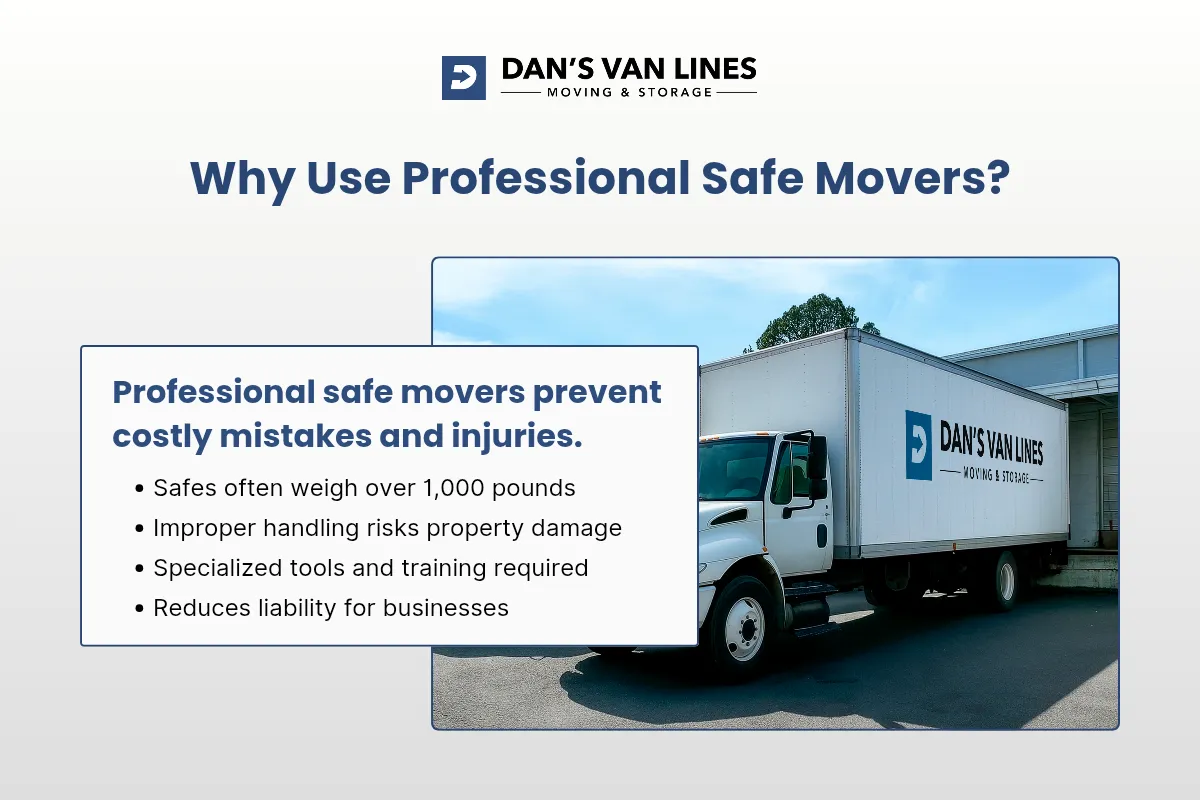
Safes are designed to be immovable for security, but when they must be relocated, the risks are significant. Improper handling can result in property damage, personal injury, or even loss of the safe’s contents. Safe movers mitigate these risks through a combination of meticulous planning, specialized equipment, and a focus on safety at every stage.
Comprehensive Risk Assessment: The Foundation of Every Move
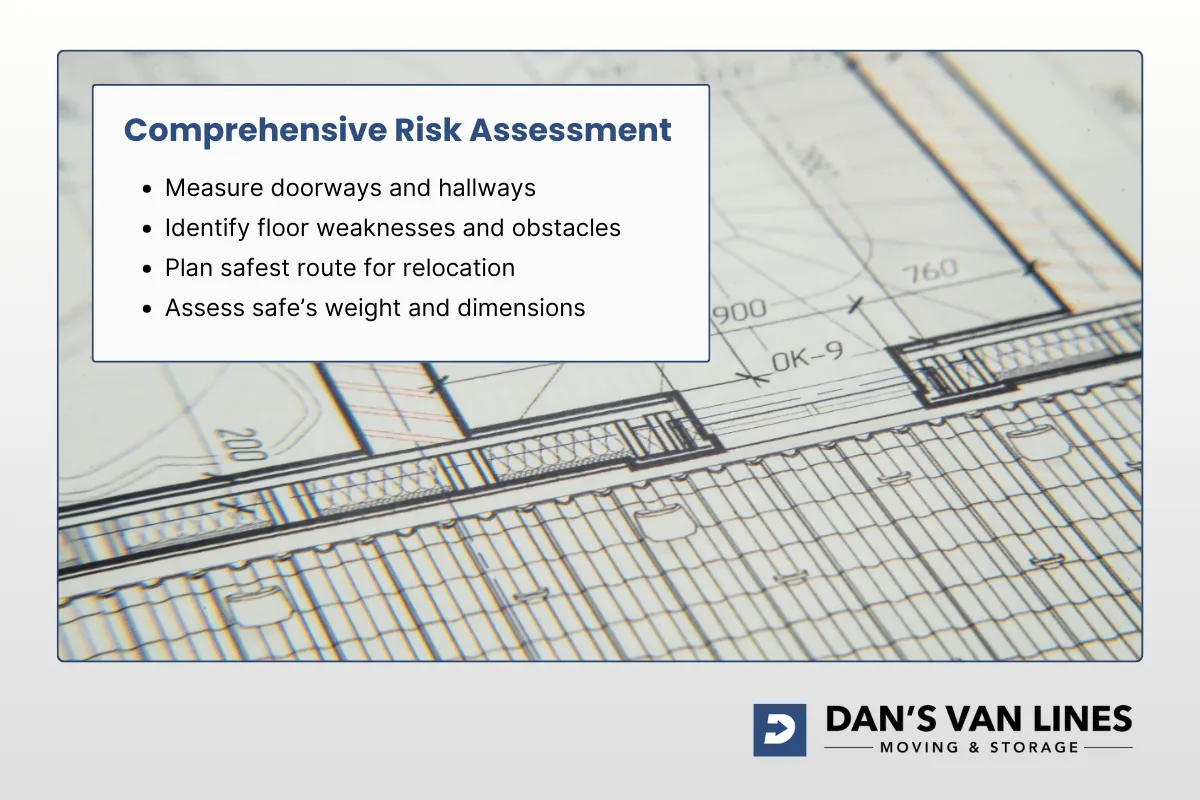
Before any move begins, safe movers conduct a thorough assessment of the safe’s weight, dimensions, and the unique hazards of the site. This includes identifying uneven floors, tight corners, or overhead obstructions. The assessment informs a detailed moving plan that covers packing, protection, and the safest route for relocation.
Specialized Equipment Used by Safe Movers
Relocating a heavy safe requires more than brute strength. Safe movers use a range of specialized tools to ensure the safe, the building, and the moving team remain protected throughout the process. The right equipment is chosen based on the safe’s size, weight, and the specific challenges of the move.
- Custom Rigging: Cranes, hoists, and forklifts with appropriate lifting capacities are paired with heavy-duty chains, straps, and slings to secure and position the safe.
- Floor Protection: Padding, friction pads, and custom crates are used to shield floors and thresholds from damage during the move.
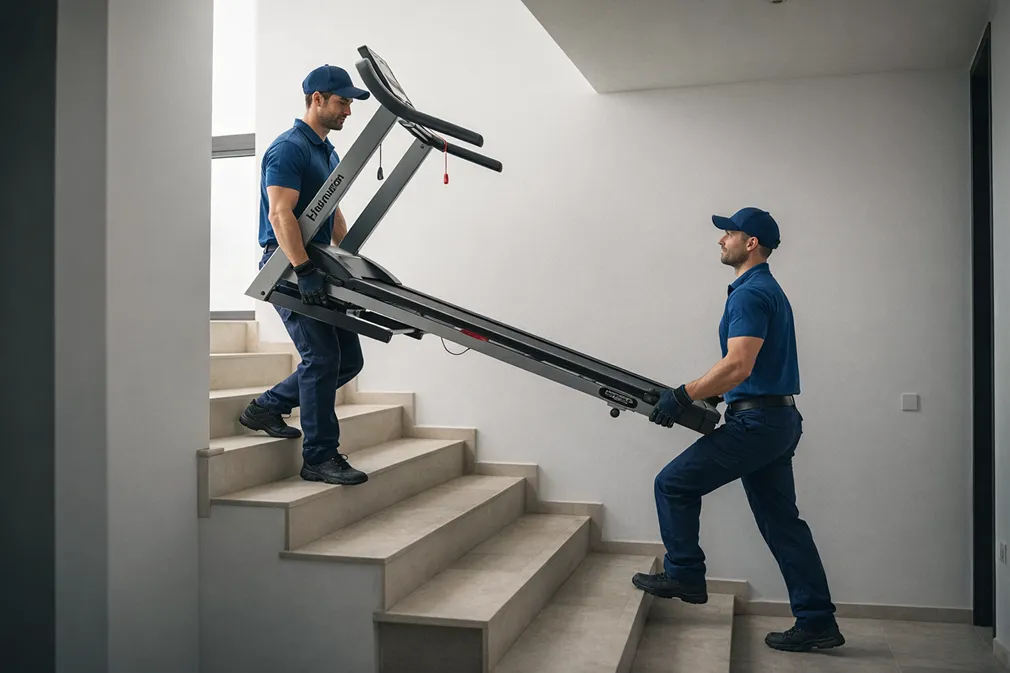
- Pallet Jacks and Dollies: For navigating stairs or tight spaces, slow and steady movement with pallet jacks or dollies—often with spotters—ensures control and safety.
- Secure Tie-Downs: At least four chains are used to secure the safe in transport, distributing weight evenly and preventing tipping or rolling.
Each tool is selected to match the demands of the job, ensuring both efficiency and safety.
The Safe Moving Process: Step by Step
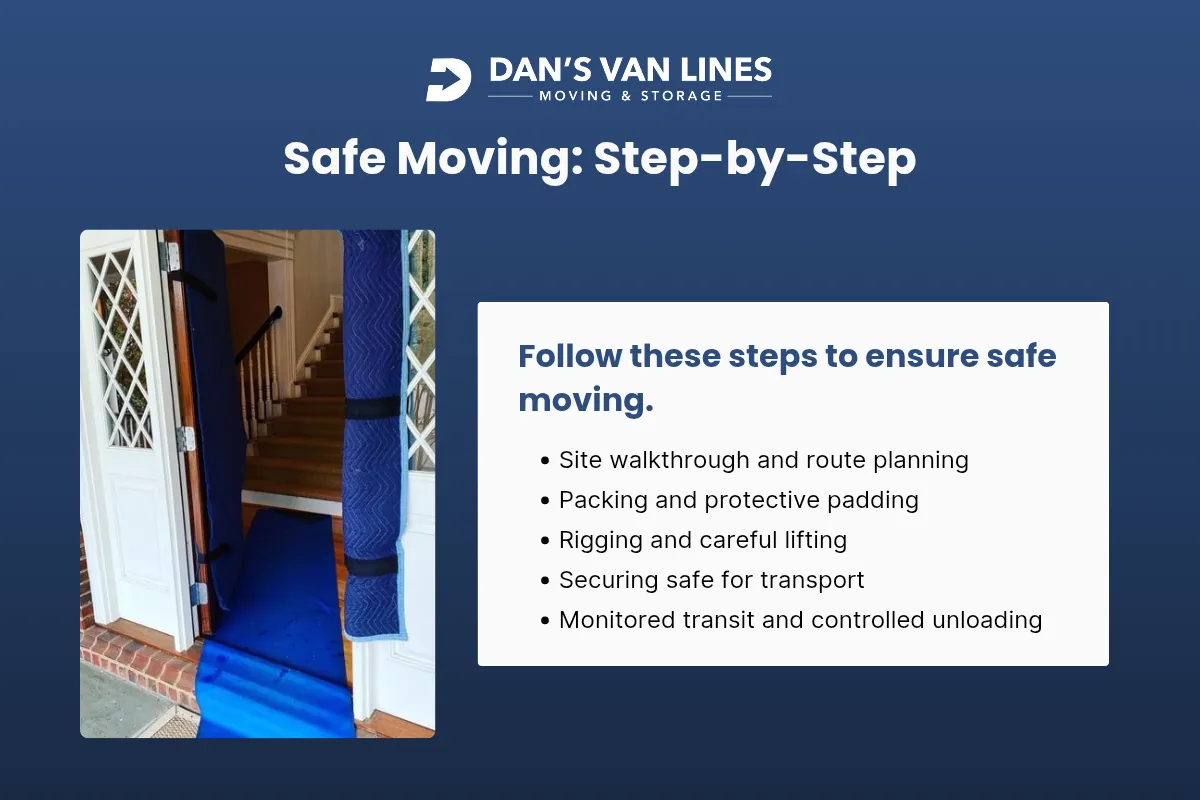
Safe movers follow a structured process to ensure every move is executed with precision. Each stage is designed to minimize risk and protect both the safe and the property.
1. Site Walkthrough and Preparation
Movers begin with a detailed walkthrough, measuring doorways, checking for obstacles, and planning the safest route. Ramps and trailer decks are cleaned of debris, oil, or moisture to maximize traction and prevent slips during loading.
2. Packing and Protection
Custom packaging or crates with padding and cushioning materials are used to protect the safe from vibrations and impacts during transport. Sensitive components receive extra attention to prevent damage.
3. Rigging and Lifting
Using cranes, forklifts, or hoists, the safe is carefully lifted and positioned. Sturdy rigging—chains, straps, and slings—ensures the safe remains secure throughout the process. Team members use clear signaling and wear PPE to maintain safety at all times.
4. Loading and Securing for Transport
Once on the transport vehicle, the safe is immobilized with parking brakes, wedges, chocks, or cradles. At least four chains are fastened linearly with downward force, connecting to the trailer’s front and back corners. This setup prevents movement and ensures even weight distribution.
5. Transit and Unloading
During transit, movers adhere to speed limits and monitor the load for any shifts. Upon arrival, a final walkthrough checks for hazards, and the safe is slowly backed down ramps with spotters guiding the process. Communication remains clear and constant to prevent accidents.
Protecting Floors, Walls, and Structures
Heavy safes can easily damage floors, walls, and doorways if not handled with care. Professional safe movers use a variety of protective measures to prevent costly repairs and maintain the integrity of both the safe and the building. These include:
- Padding and cushioning under and around the safe to absorb impacts and prevent scratches.
- Friction pads and floor runners for moving across delicate surfaces or thresholds.
- Temporary ramps or bridges to navigate stairs or uneven surfaces safely.
These strategies are tailored to each move, ensuring both the safe and the property remain in excellent condition.
Personnel Training and Safety Protocols
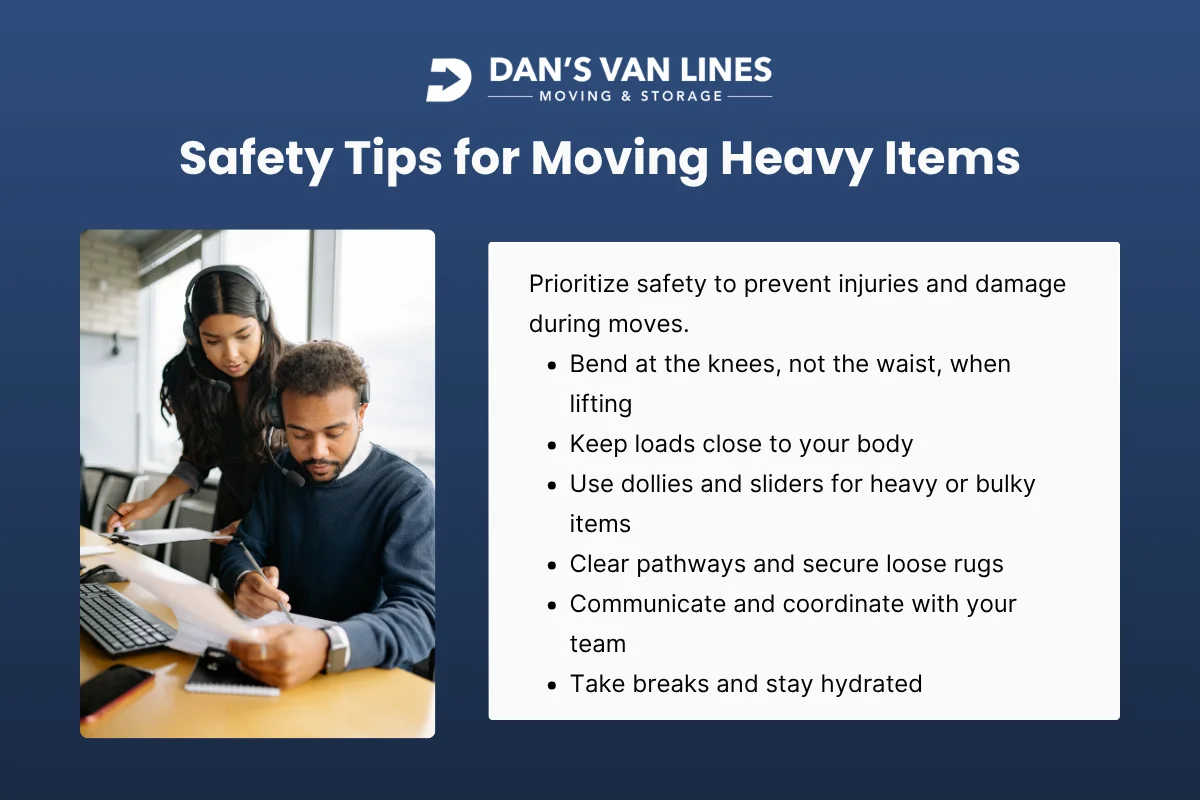
Safe moving is a team effort that requires specialized training and strict adherence to safety protocols. Every crew member is trained in manual and tool-assisted moving techniques, as well as the use of PPE such as gloves and steel-toed boots. Clear communication is maintained throughout the move, with team members using hand signals or radios to coordinate their actions and respond quickly to any issues that arise.
Emergency Preparedness
Despite the best planning, unexpected situations can occur. Movers are trained to respond to emergencies, such as equipment malfunctions or sudden shifts in the safe’s position, with calm and efficiency. Regular drills and ongoing training ensure that everyone knows their role in an emergency, reducing the risk of injury or property damage.
Modern Innovations in Safe Moving
The safe moving industry has seen significant advancements in recent years. Modern equipment and techniques have improved both safety and efficiency, making it possible to relocate even the heaviest safes with minimal risk. Innovations include:
- Heavy-duty dollies and pallet jacks with advanced braking systems for greater control.
- Hydraulic lifts and powered stair climbers for safe navigation of stairs and tight spaces.
- Custom rigging solutions and digital load monitoring systems for precise positioning and real-time weight distribution tracking.
These tools have transformed the way safe movers operate, reducing physical strain and enhancing overall safety.
Best Practices for Compliance and Risk Management
For compliance professionals, ensuring that safe moves are conducted in accordance with all relevant regulations and best practices is essential. This includes verifying that all equipment is properly maintained and rated for the loads being moved, that all personnel are trained and certified as required, and that all necessary permits and documentation are in place for long-distance or interstate moves.
Partnering with Professional Safe Movers
Working with experienced, full-service moving companies is the best way to ensure a safe and compliant move. Professional movers bring not only the right equipment and expertise but also a deep understanding of regulatory requirements and industry standards. They can assist with scheduling moves to minimize operational downtime, coordinating with building management, and ensuring that every aspect of the move is documented and executed according to plan.
Frequently Asked Questions About Safe Movers
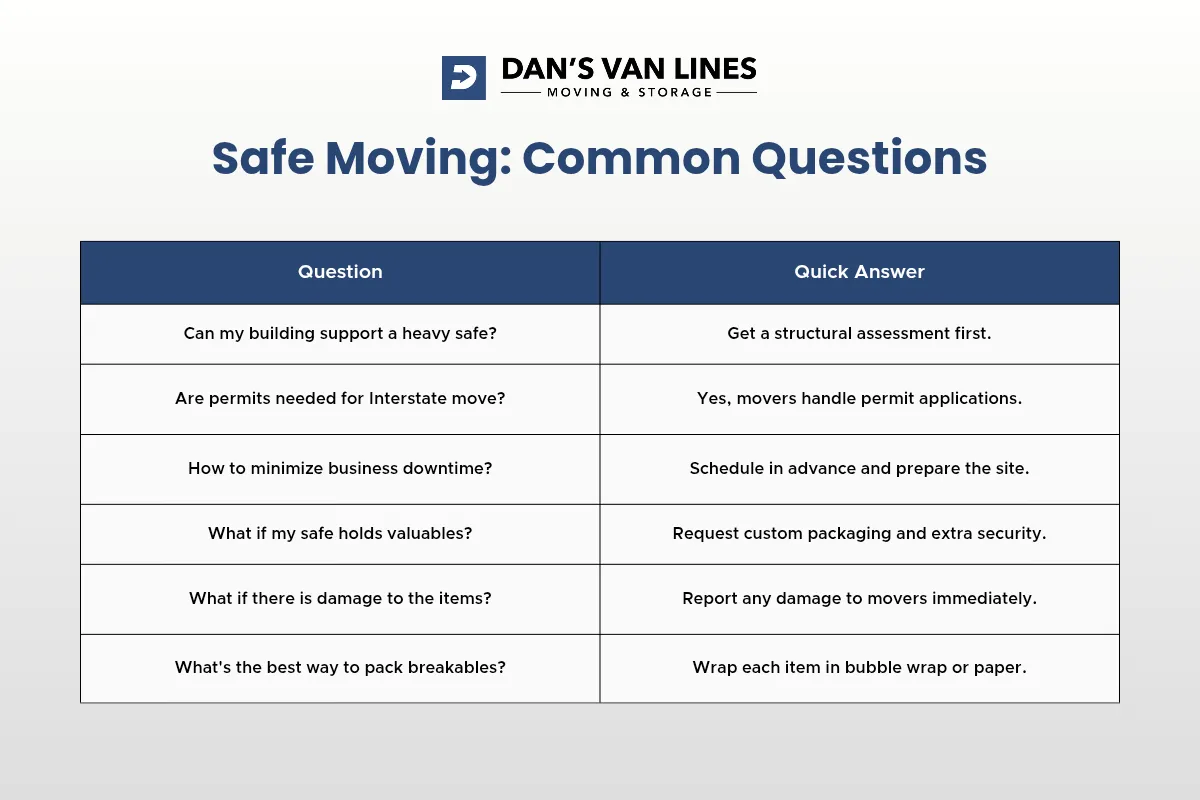
Moving a heavy safe raises many questions for facilities managers and compliance professionals. Here are answers to some of the most common concerns:
How do I know if my building can support the weight of a heavy safe during a move?
A structural assessment by a qualified engineer or professional mover is recommended before any move.
What permits are required for moving a safe across state lines?
Professional movers can advise on the necessary permits and handle the application process as part of their service.
How can I minimize downtime during a safe move?
Careful scheduling, advance site preparation, and coordination with experienced movers can reduce disruption to business operations.
What should I do if my safe contains sensitive or valuable items?
Discuss your concerns with your moving company, who can provide custom packaging and additional security measures as needed.
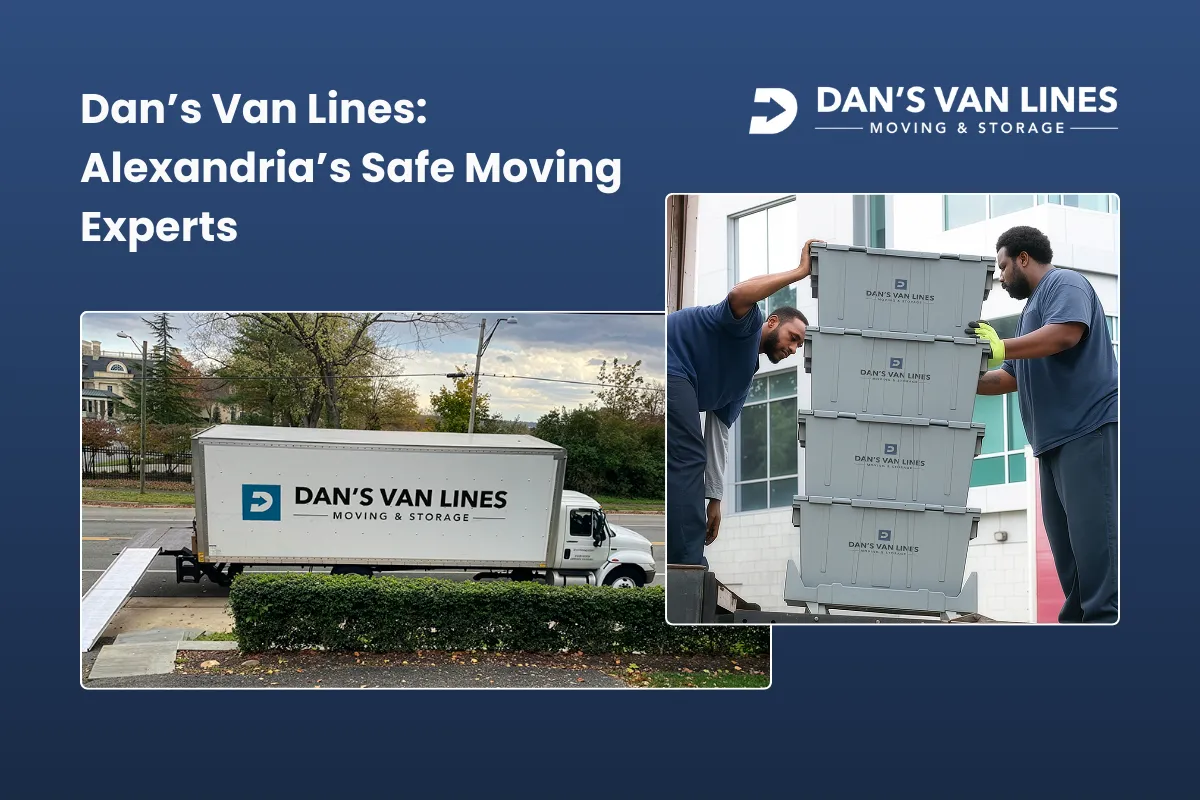
Choose Dan’s Van Lines: Your Trusted Safe Movers in Alexandria, VA
Relocating a very heavy safe is a task that requires specialized knowledge, equipment, and attention to detail. At Dan’s Van Lines, we bring years of experience and a commitment to safety, efficiency, and customer satisfaction to every move. Our team is fully trained in the latest safe-moving techniques and equipped with state-of-the-art tools to protect your property and ensure a smooth transition. Whether you’re moving a safe within your building or across the country, we offer tailored solutions to meet your unique needs. To discuss your project or request a quote, contact Dan's Van Lines today.









.webp)
%20(1).webp)
.webp)
.webp)
.webp)
.webp)
.webp)


.avif)
%201.svg)

%201.svg)
%201.svg)