
Downsizing home for seniors is not only about moving into fewer square feet. It often means sorting through decades of belongings, deciding what still fits daily life, and saying goodbye to a home filled with family history. For retirees planning a move into a retirement community, condo, apartment, or smaller house, the process works best when it is paced, respectful, and organized around both safety and emotion.
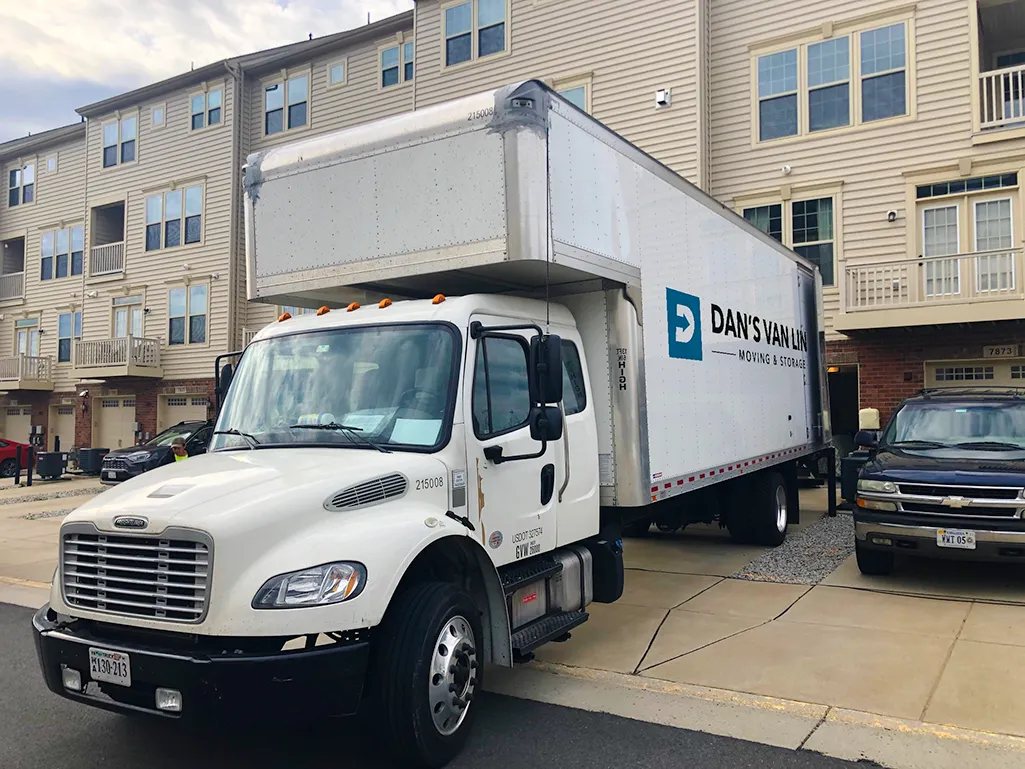
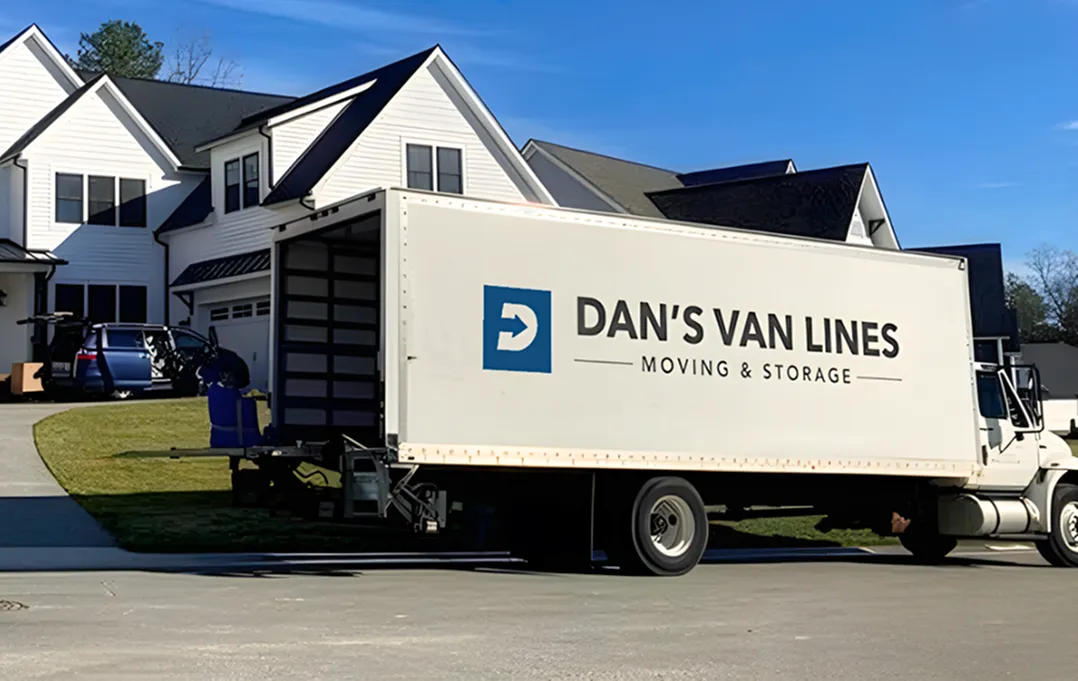
At Dan’s Van Lines, we help homeowners and families across Alexandria and Northern Virginia manage the physical side of moving with steady, experienced support. If you have questions as you begin planning a senior downsizing move, we are glad to help you think through the moving and packing details.
Downsizing a Senior Home Is Both an Emotional and Practical Life Transition
Leaving a long-time home can feel like leaving part of a life story behind. Rooms may hold memories of raising children, hosting holidays, caring for a spouse, or celebrating milestones. That is why downsizing can bring relief and grief at the same time.

Research on later-life moves shows that downsizing can trigger sadness, stress, anxiety, sleep disruption, and emotional fatigue. Studies in the around 78% experience grief symptoms range during downsizing, which helps explain why the process can feel heavier than a typical household move.
These feelings are not a sign that downsizing is the wrong decision. They are often part of the transition. Acknowledging them gives retirees and families a healthier starting point than pretending the move is simply a checklist of boxes, furniture, and closing dates.
Common reasons to downsize your home in retirement
Many seniors decide to downsize because the current home no longer matches their physical, financial, or social needs. A large house may have once supported a busy family life, but later it can become harder to maintain. Unused rooms, stairs, yard work, repairs, and rising costs can make the home feel more burdensome than comforting.
The reasons to downsize your home are usually personal, but several themes come up often. Some are urgent, such as health changes or financial pressure. Others are proactive, such as wanting more freedom, easier housekeeping, and a stronger sense of community before a crisis forces a rushed move.

Before deciding on a timeline, it helps to name the main reason for the move. That reason can guide choices about location, home size, belongings, storage, and how much family support is needed.
Reducing the physical burden of stairs, maintenance, lawn care, snow shoveling, and household repairs.
Lowering monthly costs tied to mortgage or rent, taxes, utilities, insurance, and upkeep.
Improving safety by choosing a smaller residence with fewer hazards and easier daily movement.
Moving closer to adult children, grandchildren, medical care, or supportive community resources.
Creating a simpler lifestyle with less clutter and more time for hobbies, travel, social activities, or wellness.
Choosing to move on one’s own terms before health or financial issues create an emergency situation.
The Advantages of Downsizing Your Home Include Cost, Safety, and Daily Freedom
The advantages of downsizing your home are easiest to see when comparing the current house with the daily life a retiree wants next. A smaller home can reduce chores, simplify routines, and make it easier to keep important items close at hand. It can also support a safer aging-in-place plan.
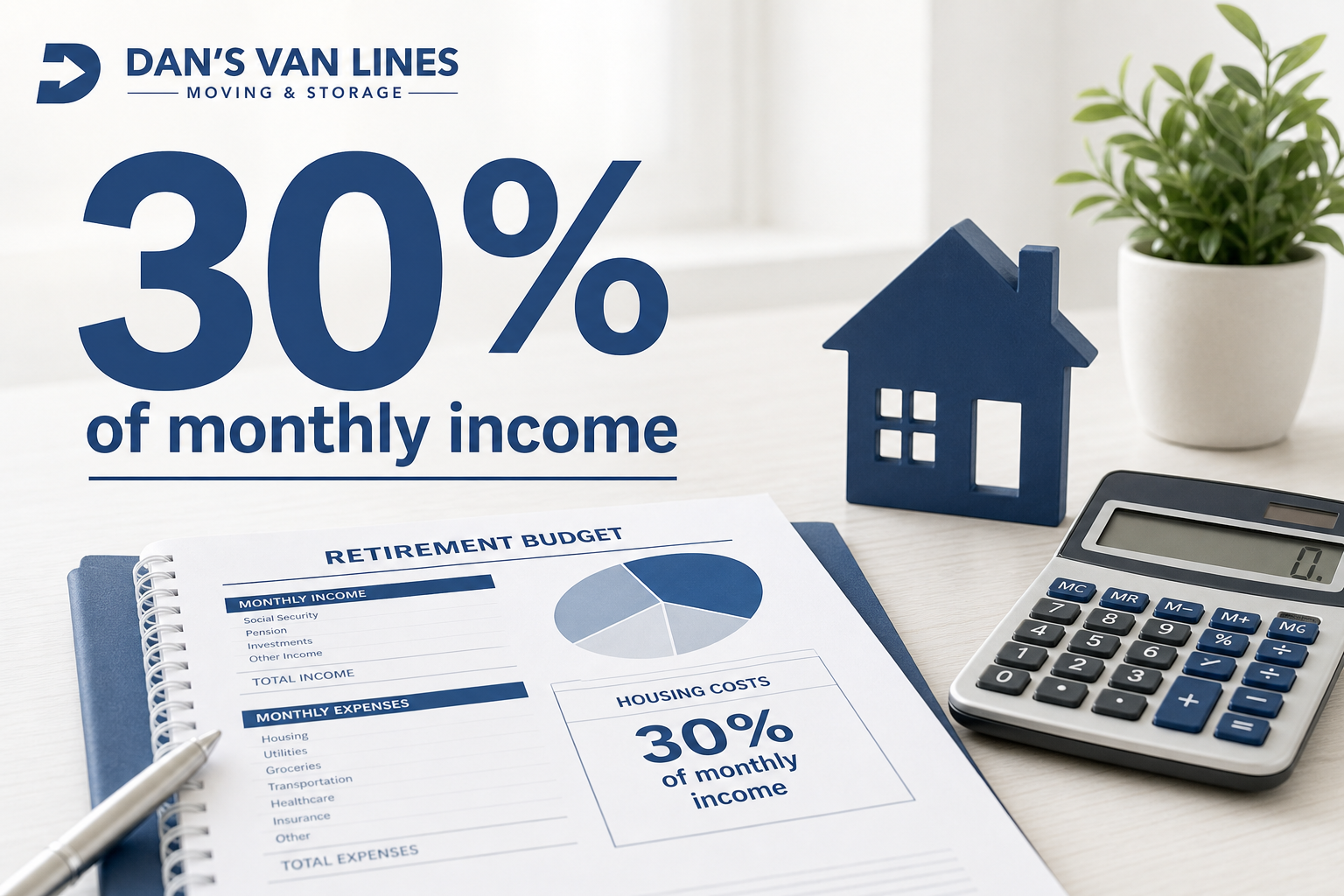
Cost is often one of the strongest practical motivators. The National Council on Aging recommends that seniors review whether housing costs are above 30% of their monthly income, since downsizing may help create a more sustainable retirement budget.
For some retirees, selling a long-time home and moving into a smaller space can free home equity for health care, travel, family gifts, or other retirement priorities. For others, the benefit is less about a major financial change and more about reducing ongoing pressure from utilities, maintenance, and property-related expenses.
A smaller home can reduce safety risks that grow with age
Safety is one of the most important reasons to look carefully at the current living environment. Large homes with stairs, cluttered hallways, uneven outdoor surfaces, and hard-to-reach storage can become difficult to navigate. Mobility and balance changes can make familiar spaces more hazardous over time.
Falls are especially important to consider because the Centers for Disease Control and Prevention identifies falls as the leading cause of injury among older adults, with many occurring at home. Smaller residences and senior-focused communities may offer features such as single-level layouts, better lighting, grab bars, handrails, non-slip flooring, wider doorways, and emergency call systems.
Downsizing also helps reduce clutter. Clear walkways, fewer loose rugs, fewer cords, and easy access to frequently used items can make everyday routines safer. A thoughtful move is not only about where furniture fits, it is about how safely someone can live in the new space from the first day.
Less upkeep can support a more engaged retirement lifestyle
Many retirees find that a smaller home gives them time and energy back. With fewer rooms to clean and less maintenance to coordinate, daily life can feel lighter. That can make room for fitness classes, social activities, educational programs, volunteer opportunities, hobbies, and family visits.
Senior-living guides also note that retirement communities can help residents rebuild social networks. Pools, fitness centers, arts spaces, clubs, group outings, and shared amenities can support connection, especially for people who have felt isolated in a larger home.
The emotional benefit is often a greater sense of control. Instead of feeling weighed down by possessions and property maintenance, seniors can shape a space around what they actually use, value, and enjoy.
Start Downsizing Early With One Room, One Closet, or One Drawer
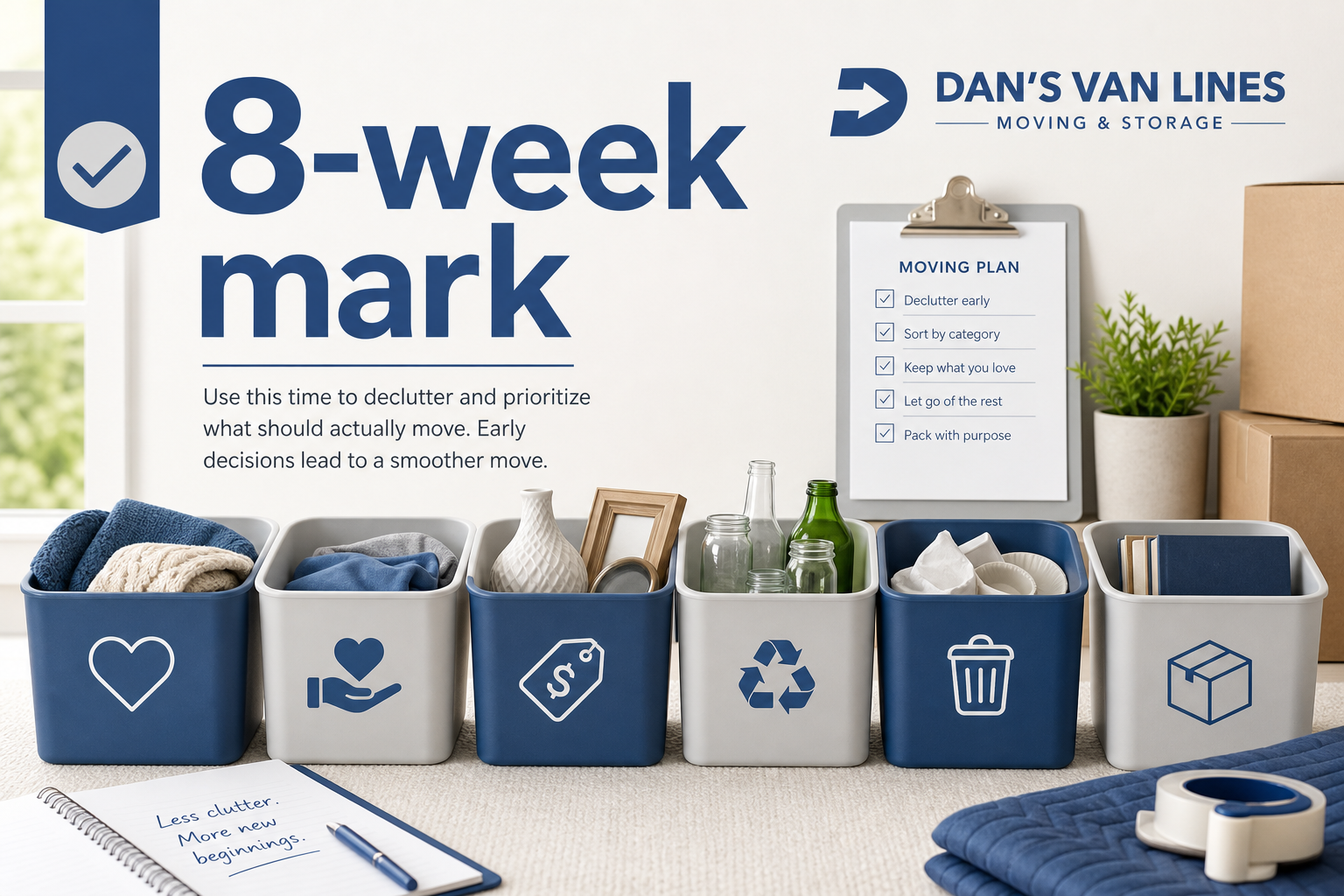
The most helpful downsizing plans begin before the moving date is urgent. Seniors may need months, not days, to sort a lifelong home. Rushing increases anxiety and can lead to regret, especially when sentimental belongings are involved.
Professional organizers and senior-care organizations recommend starting with small sections rather than trying to clear an entire home at once. A bathroom cabinet, pantry shelf, linen closet, utility drawer, or single bookcase is enough for one session. Short work periods, such as 30-minute blocks a few times per week, can reduce fatigue and decision overload.
Beginning with less emotional areas builds momentum. Everyday household goods are usually easier to sort than photo albums, letters, collections, and family heirlooms. Once a retiree has practiced making decisions in simpler spaces, sentimental categories become more manageable.
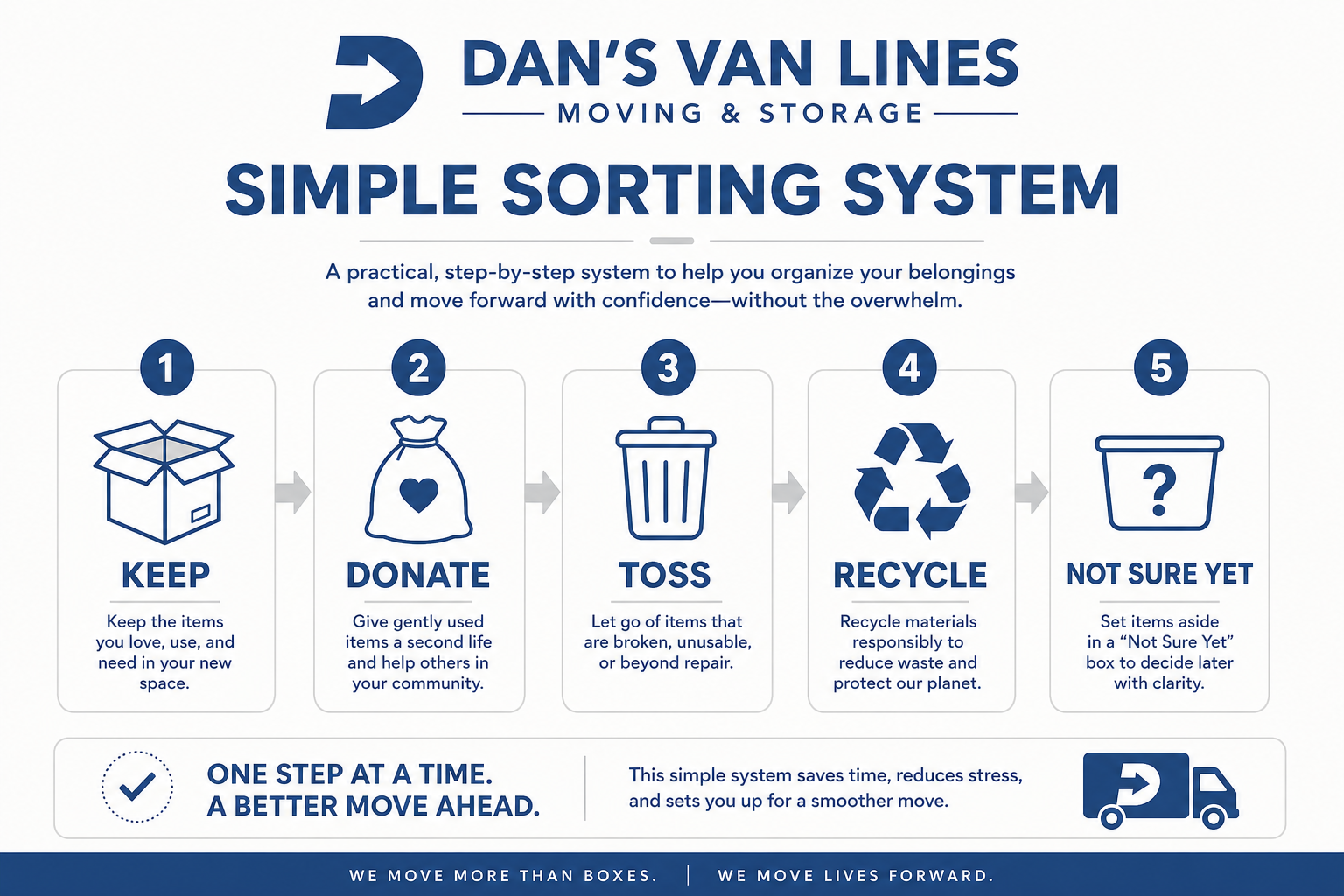
A simple sorting system keeps decisions moving
Sorting decades of belongings requires a clear structure. Without one, every object can feel like a new debate. A consistent system helps seniors and families keep progress visible and reduces the chance that piles will become confusing.
The main goal is not to make every decision instantly. It is to create enough order that the household can keep moving forward. A temporary “not sure” category can be especially helpful because it allows difficult items to be revisited without stopping the entire process.
Use labels that are easy to read, and keep the categories in the same place during each session. This makes it easier for adult children or trusted helpers to assist without taking over the decision-making role.
Keep: Items used regularly, loved deeply, or needed in the new home.
Donate: Belongings in good condition that no longer fit the senior’s life or space.
Toss: Broken, unsafe, expired, or unusable items.
Recycle: Paper, packaging, and other recyclable materials that do not need to move.
Not Sure Yet: Sentimental, seasonal, or uncertain items that need another review before a final choice.
Important papers may need a separate system. Some guides suggest categories such as Keep, Shred, Recycle, and Act On. Essential documents, including wills, property records, and key financial papers, should be handled carefully rather than mixed into general household piles.
Measure the New Space Before Choosing What to Keep
A smaller home or retirement apartment should guide the downsizing process. Without knowing the dimensions of rooms, closets, doorways, and storage areas, it is easy to keep too much. A floor plan turns an emotional decision into a practical one.
Measure the new residence and sketch where furniture might go. The plan does not need to be elaborate. It simply needs to show what will realistically fit and how the senior will move through the space safely.
This approach is especially useful for larger furniture. A dining set, sectional sofa, oversized desk, or extra dresser may be meaningful, but if it blocks walkways or crowds the bedroom, it may not support daily life. The new space should work for the person, not the other way around.
The floor plan can reduce family conflict
Families often disagree about what should move. Adult children may focus on efficiency, while parents may focus on memories, usefulness, or the possibility of needing something later. A space map can make those conversations less personal.
A clear rule, such as “if it does not fit on the plan, it does not go,” can help. It gives everyone a shared standard. It also protects the senior from arriving at a smaller home filled with boxes and furniture that make the new place feel cramped from the beginning.
The floor plan should prioritize daily-use items first. Medications, kitchen essentials, clothing, remotes, bathroom supplies, favorite reading materials, and important papers need accessible locations. Decorative items and stored possessions can be considered only after the functional layout is clear.
Handle Sentimental Items After Easier Categories Are Finished
Sentimental belongings deserve time and care. Photos, letters, collections, keepsakes, awards, military items, wedding gifts, and inherited furniture can carry identity, memory, and family history. Starting with these items too early can stall the downsizing process.
Several organizing guides recommend “curating” sentimental items rather than keeping everything. That means choosing the objects that best tell a life story and letting go of duplicates, damaged items, or belongings kept only from guilt. A smaller home can still hold meaningful history, but it cannot hold every object from every chapter.
One helpful method is to create a memory box. This gives the most precious items a defined space. When the box is full, the senior can compare items and decide which pieces truly matter most.
Passing heirlooms along can turn letting go into legacy
Heirlooms can be emotionally complex because they involve both the owner’s memories and the family’s future. Some seniors imagine children or grandchildren will want certain items. Sometimes they do, and sometimes they do not. Honest conversations help prevent disappointment.
Rather than waiting until moving week, families can discuss meaningful pieces early. Adult children and grandchildren can say what they would genuinely use or treasure. Seniors can then enjoy seeing certain belongings go to people they love.
For larger families, a simple tracking system can reduce confusion. Use a master list or color-coded labels to mark who will receive each item. This is especially useful when multiple people are involved or when items will be distributed over time.
Storage should be temporary, visible, and easy to revisit
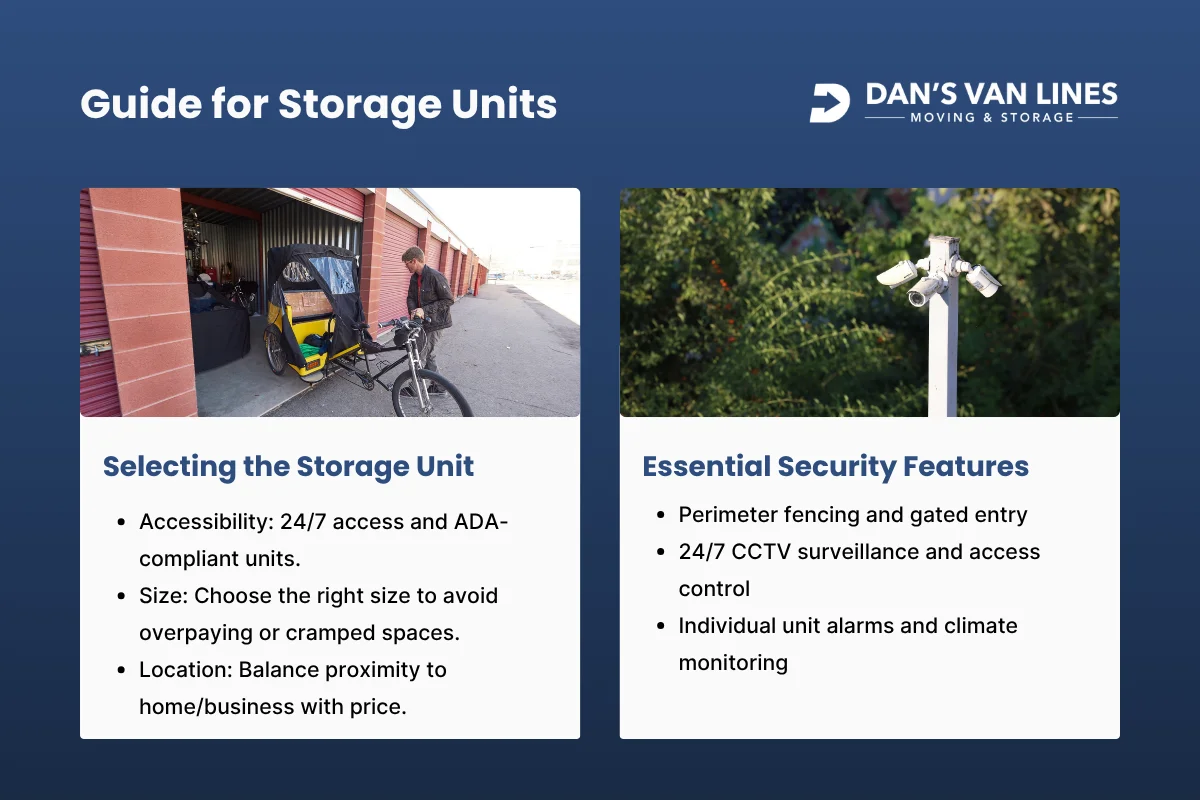
Storage can help during a transition, but it works best with clear limits. Seasonal decorations, off-season clothing, sports gear, family heirlooms awaiting pickup, or “not sure yet” boxes may need temporary space. The goal is to create breathing room, not to move clutter from one address to another.
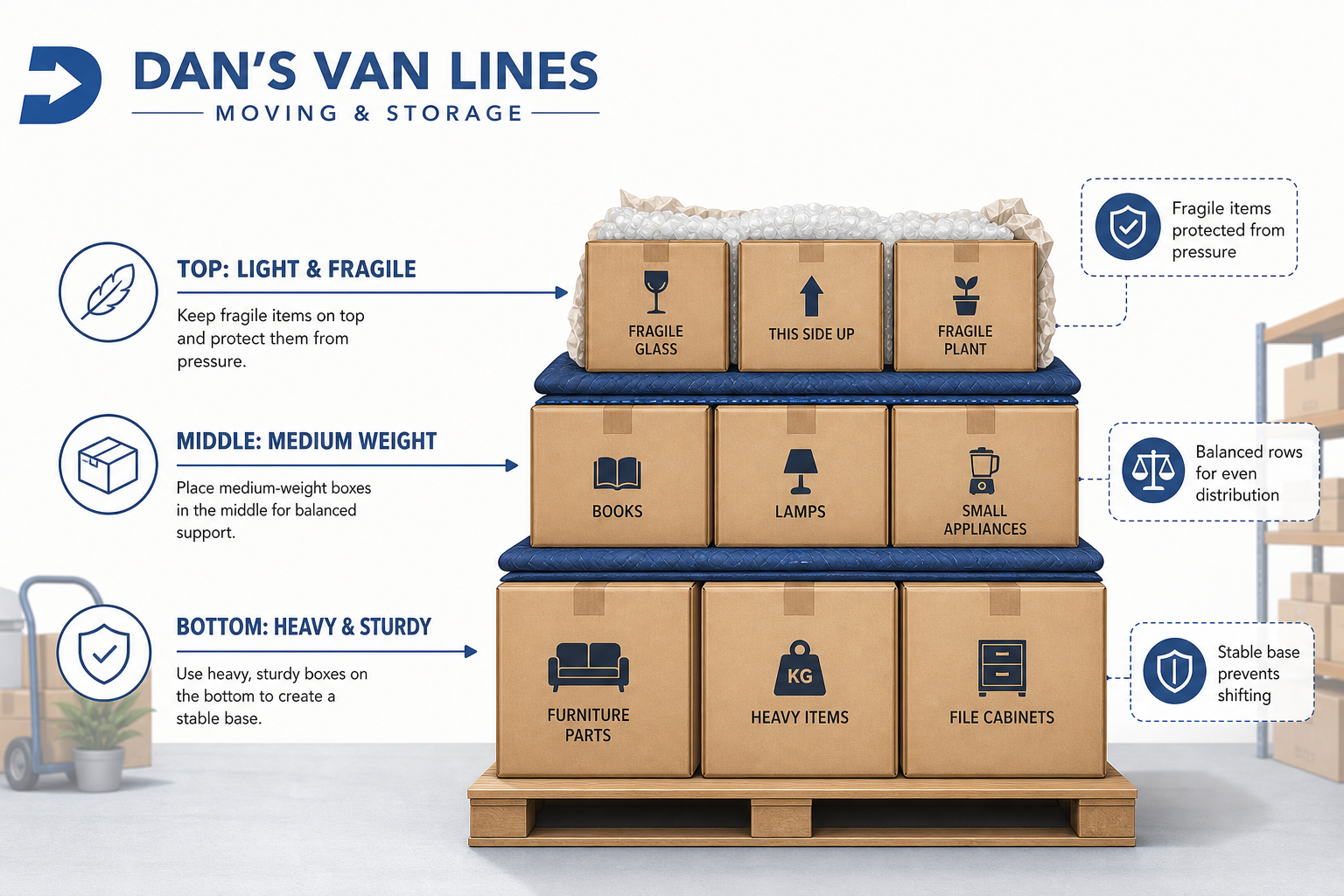
Clear bins, large-font labels, and grouped categories make stored items easier to find and review. Heavy items should be kept low, and frequently used belongings should be stored around waist height when possible. Seniors should not have to climb, stretch, or dig through unsafe stacks to reach what they need.
When a family needs time to decide what happens to heirlooms, seasonal goods, or undecided possessions, Dan’s Van Lines can connect the physical move with secure storage options so the new home can stay clear, safe, and livable while decisions continue.
Adult Children Can Help Most by Supporting, Not Taking Over
Downsizing often affects the whole family. Adult children may remember the family home from childhood, while parents may fear losing independence or control. Those emotions can show up as frustration, delay, urgency, or silence.
Senior-transition specialists emphasize that moving aging parents is not just a housing task. It can involve grief, fear, family roles, and changing expectations. Guidance on the role of the adult child encourages families to approach the process with empathy, patience, and respect.
The best support starts early. Adult children can ask about future housing preferences, safety concerns, community goals, and worries before a health or financial crisis forces quick choices. These conversations do not need to solve everything at once. They can happen gradually.
Adult children should leave final decisions with the parent whenever possible
Parents should remain involved in major decisions about what to keep, where to move, and how the timeline will unfold. Throwing items away without permission may feel efficient, but it can damage trust. Even when the move is necessary, the parent’s voice should remain central.
Adult children can still make the process easier. They can set up labeled boxes, carry items, schedule donation pickups, research smaller homes or retirement communities, compare moving services, and track utility transfers or address changes. They can also help create checklists for medications, important papers, and first-night essentials.
During sorting sessions, a calm family member or trusted friend can help keep the task on track. The helper’s role is to ask useful questions, not to rush or judge. “Will this fit in the new kitchen?” is often more helpful than “Why do you still have this?”
Families may need neutral help when emotions run high
Some families benefit from a professional organizer, senior-move specialist, or other neutral helper. This can be useful when adult children disagree, when parents feel pressured, or when the volume of belongings is overwhelming. A neutral person can provide structure without carrying the same emotional history.
Outside help can also protect family relationships. Instead of every conversation becoming a debate about objects, relatives can focus on supporting the senior through the transition. The move becomes a shared project rather than a struggle over control.
Timing a Senior Downsizing Move Requires Emotional and Practical Breathing Room
Timing matters because downsizing can become harder when it is paired with grief, health changes, or urgent financial pressure. Experts from Harvard-affiliated programs suggest that when a move follows a major loss, such as the death of a spouse, waiting up to one year may help avoid compounding grief and logistical stress when that is possible.
At the same time, waiting too long can create its own problems. A proactive move usually allows more choice, more time for sorting, and less pressure on adult children. Seniors who downsize on their own terms may feel more control than those forced into a rapid move by illness, injury, or financial emergency.
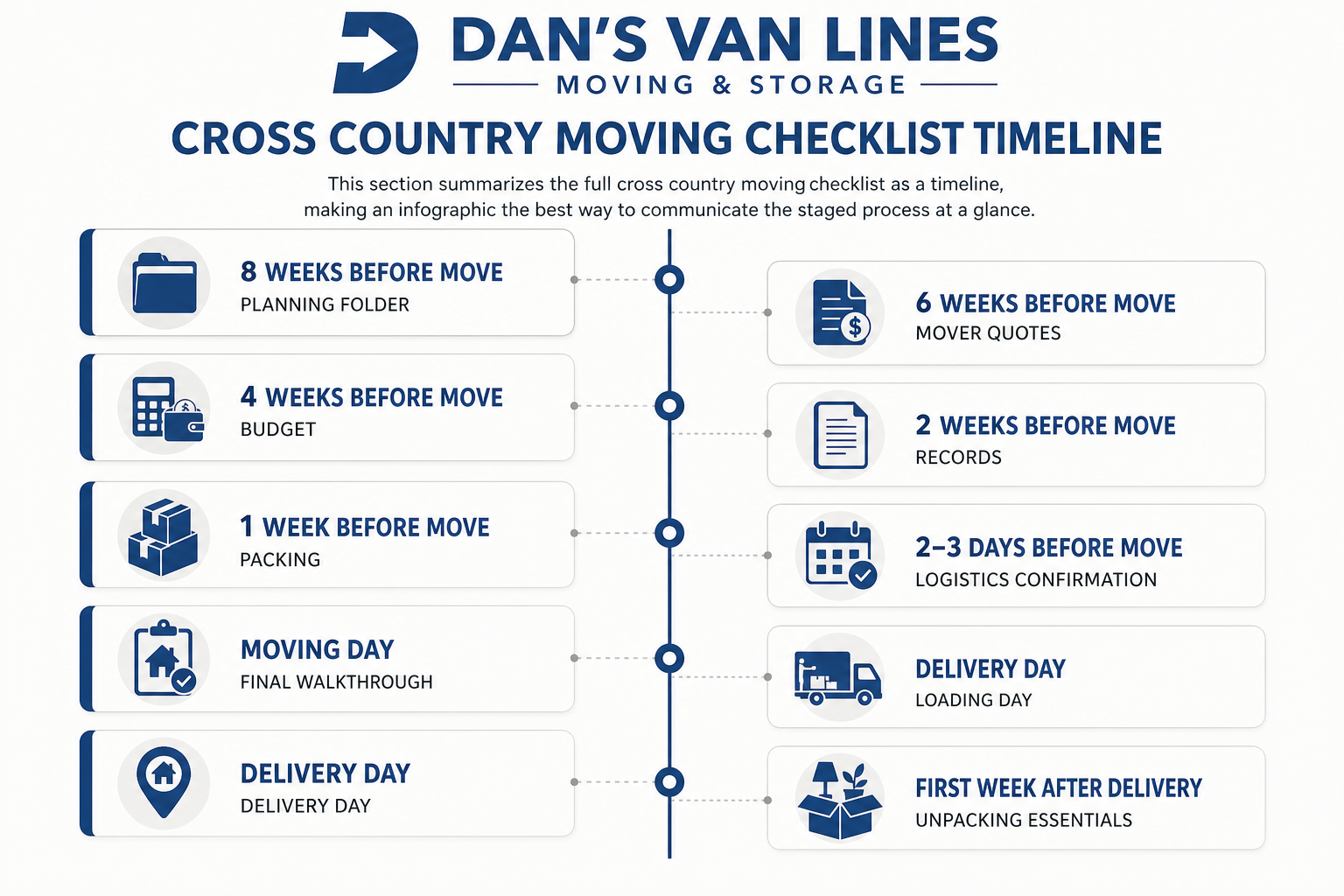
Families should build a timeline that includes sorting, donation or resale decisions, packing, moving company scheduling, home safety preparation, and unpacking support. A move into a retirement community may also involve building rules, elevator scheduling, and coordination with staff, so extra lead time can reduce stress.
Preparing the new home before moving day supports safety from the first night
The new residence should be ready before the senior arrives. Safety features matter most in the bedroom, bathroom, kitchen, entrances, and main walking paths. If grab bars, ramps, handrails, lighting improvements, or bathroom adjustments are needed, completing them before move-in day can make the first night easier.
Furniture placement should support movement. Walkways should stay clear. Daily-use items should be easy to reach. Boxes should not block the bathroom, bed, refrigerator, medications, or seating area.
Unpacking priorities should also be planned. The bedroom, bathroom, kitchen basics, medications, clothing, phone chargers, remotes, and important documents should be accessible immediately. Decorative items and less urgent boxes can wait.
Professional Movers Reduce the Physical Burden on Seniors and Families
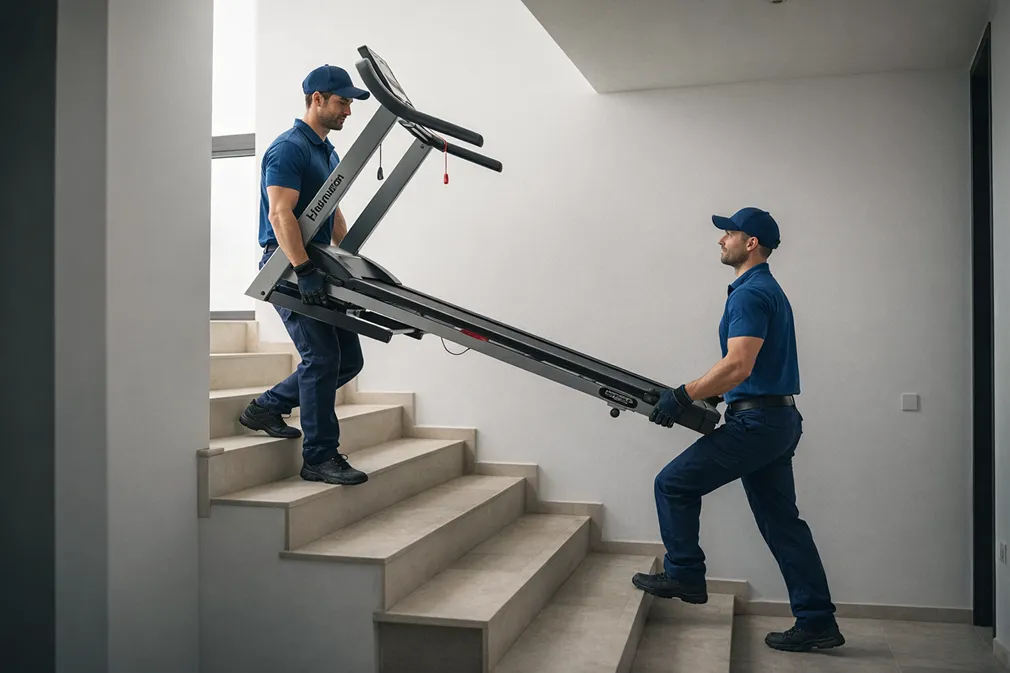
A senior downsizing move can involve heavy furniture, fragile heirlooms, boxes, stairs, tight doorways, and careful timing. For retirees with mobility limitations or health concerns, lifting and carrying can create unnecessary risk. Family members may also underestimate how much physical work is involved.
Mayo Clinic’s downsizing guidance recommends working with trusted experts, including real-estate professionals, senior-move managers, and reputable moving companies, to reduce the stress of the transition.
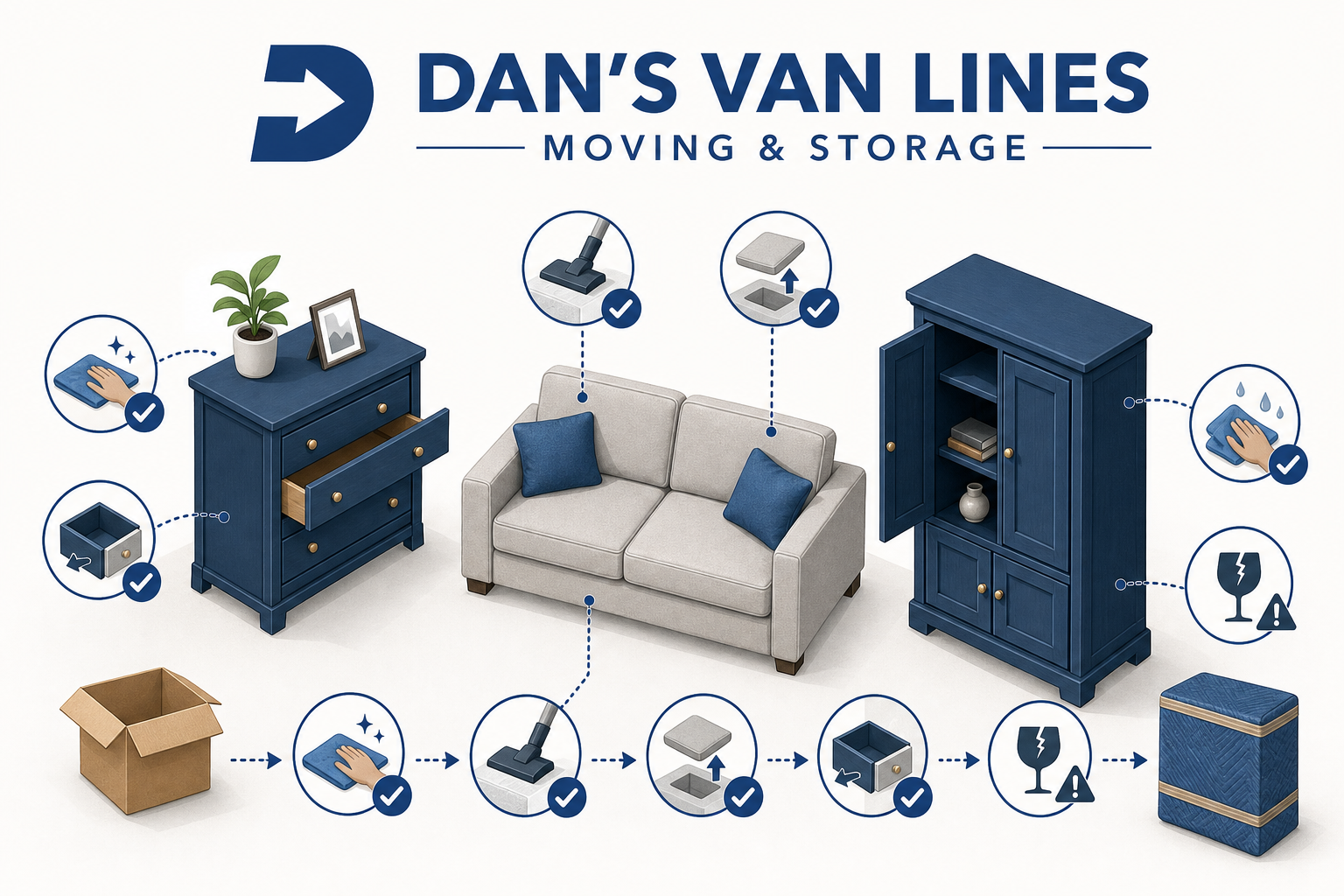
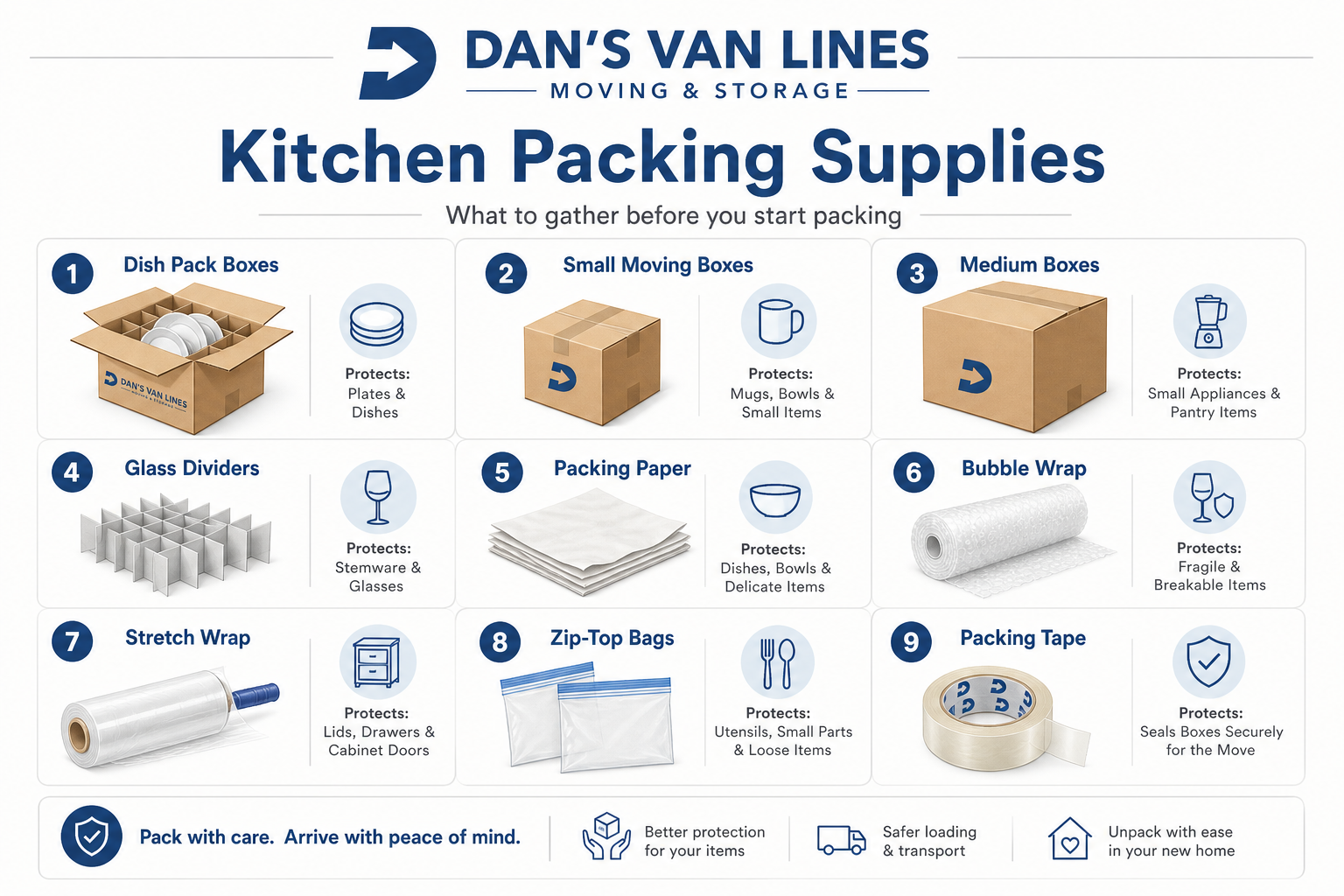
Professional movers can handle the tasks that are hardest on seniors and families: packing fragile items, moving heavy furniture, disassembling and reassembling pieces, transporting belongings, and placing furniture in the new home. This allows retirees to focus on decisions, goodbyes, and adjusting to the next living environment.
Careful packing and labeling make the new home usable faster
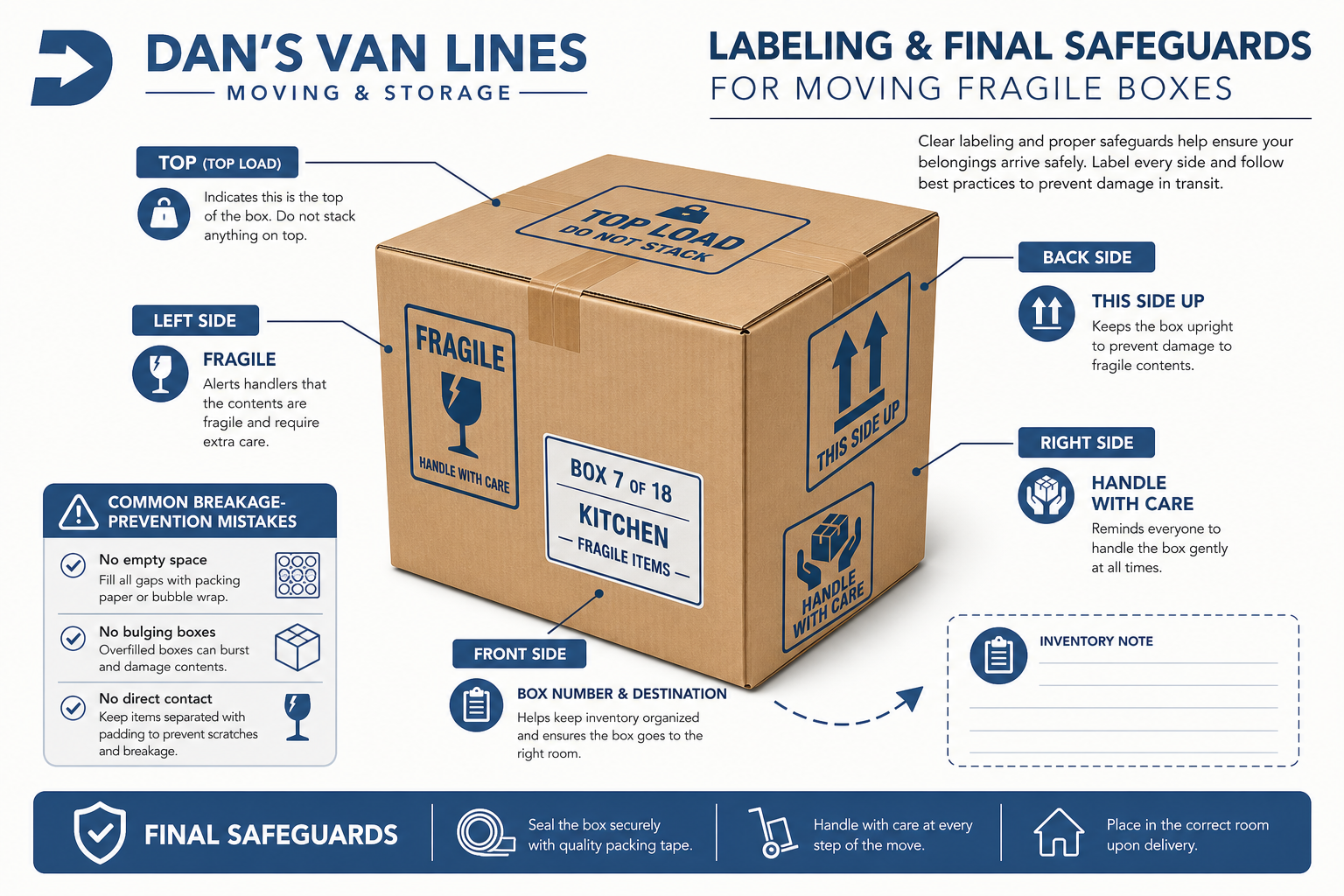
Packing for a smaller home is different from packing for a same-size move. The goal is not only to transport belongings, but to help the new home function quickly. Inventory lists, clear labels, and room-by-room organization can make unpacking less stressful.
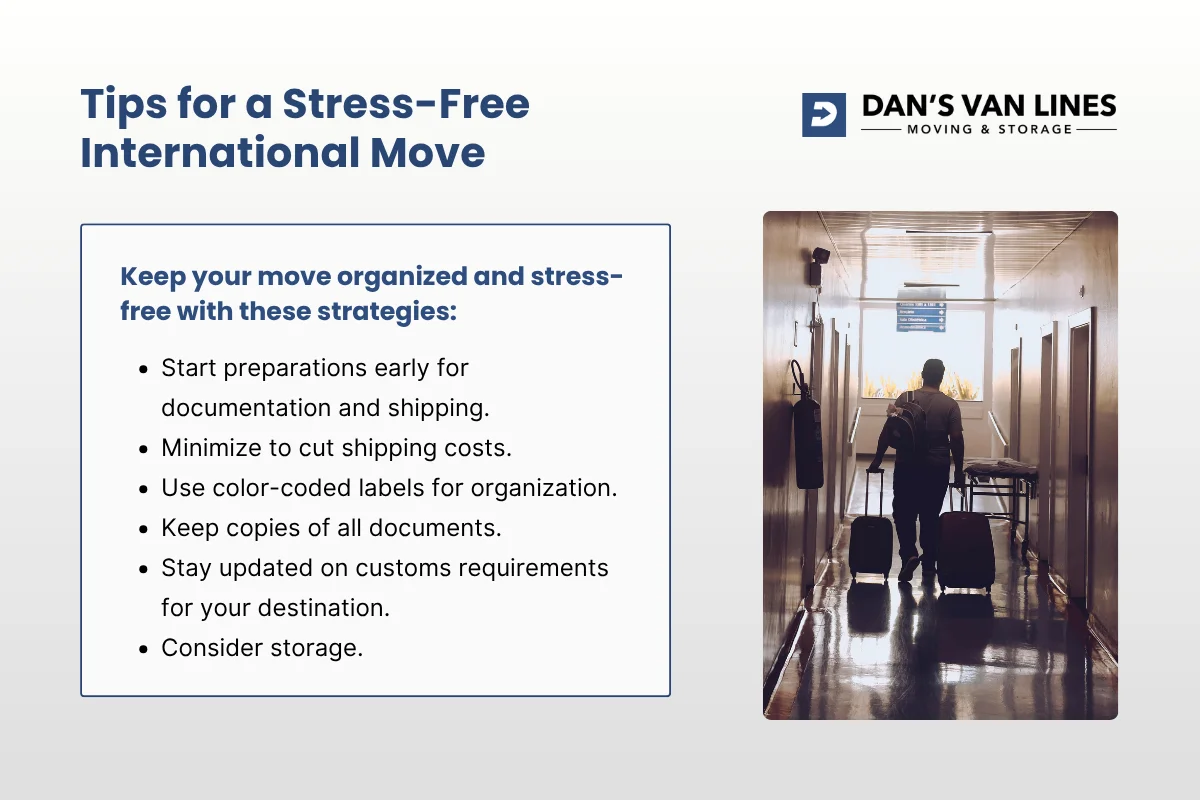
Color-coded labels can help boxes reach the right rooms. Essentials should be separated from long-term storage or less urgent items. Fragile possessions, heirlooms, and sentimental items need careful handling so the move does not add avoidable loss to an already emotional transition.
When movers, adult children, and the senior all understand the plan, moving day becomes more manageable. Everyone knows which items are going, where they belong, and what must be accessible first.
A Thoughtful Downsizing Plan Helps Seniors Keep What Matters and Release What No Longer Fits
Downsizing home for seniors is most successful when it respects the full experience: the memories in the old home, the practical needs of the new one, and the retiree’s right to make meaningful choices. The process should not be rushed into a single weekend or reduced to a pile of donation bags.
Start early. Sort one small area at a time. Measure the new home. Save sentimental items for later in the process. Invite adult children to support without taking over. Use storage only when it serves a clear transition purpose. Prepare the new space for safety and comfort before moving day.
If you are planning a senior move into a smaller home or retirement community in Northern Virginia, Dan’s Van Lines can help with the physical move, careful packing, storage, and placement of belongings in the new space. Get a Quote by calling (703) 553-0900 or visiting Dan’s Van Lines contact page.













.webp)
%20(1).webp)
.webp)

.webp)
.webp)
.webp)
.webp)


.avif)
%201.svg)

%201.svg)
%201.svg)