Moving from New York to Washington DC is a relatively short relocation, but it is not a simple city-to-city swap. The metros are about 225 to 230 miles apart by road, yet planning can vary by building, neighborhood, parking, elevator rules, and delivery schedule.
At Dan’s Van Lines, we help homeowners, renters, and professionals plan local and long-distance moves throughout Northern Virginia, including Alexandria and the broader DC area. If you have questions while comparing NYC and DC moving logistics, reach out through our contact page for guidance.
New York and Washington DC Offer Different Versions of Urban Life
New York and Washington DC both support walkable, transit-oriented living, but the daily rhythm changes once you move south. New York is denser, faster, and more vertically built, with high-rise apartments, closely spaced commercial districts, and heavy reliance on subway access and walking.
DC is still urban, especially in central neighborhoods, but it often feels more neighborhood-based. Many residents live in rowhouses, smaller apartment buildings, condos, or detached homes, and the metro area spreads across the District, Maryland, and Virginia. That geography affects commute planning, housing choices, and whether a car becomes useful.
For many New Yorkers, the adjustment is not about losing city amenities. It is about scale. Instead of choosing among several subway lines nearby, you may be choosing between a Metro station, bus route, bikeable commute, or neighborhood with easier driving access.
The employment rhythm also differs. DC daily life is shaped by federal agencies, contractors, law firms, consulting, lobbying, universities, hospitals, nonprofits, and professional services. The District’s employment projections list about 193,000 federal government jobs and more than 122,000 professional, scientific, and technical-services jobs in 2026.
That landscape can make the DC area feel connected to government schedules, office moves, policy cycles, and regional commuting patterns. If relocating for work, compare not only the office address, but also the real commute from specific neighborhoods, including transfers and evening service.
Cost of Living Can Be Lower in DC, but Savings Depend on the Neighborhood
Cost is one of the biggest reasons people compare New York and Washington DC. Available datasets place DC below New York overall, although the difference depends on how each source measures housing, transportation, food, and other expenses.

One cost-of-living comparison reports Washington’s overall cost of living as 42.1% lower than New York’s. Another places DC at 16.8% lower excluding rent and 21.6% lower including rent. These figures are useful for direction, not as a guaranteed household budget.
Housing usually creates the biggest difference. Apartments.com lists average apartment rent at about $4,210 per month in New York versus $2,304 in Washington. Numbeo lists a one-bedroom city-center apartment at about $4,143 in New York versus $2,558 in DC.
Those averages need context. A luxury building near NoMa, Navy Yard, Dupont Circle, Logan Circle, Georgetown, or Capitol Hill may still be expensive. A larger unit farther north in DC, or across the line in Maryland or Virginia, may offer more space, but the tradeoff can be a longer commute or greater reliance on driving.
Buying in the region also requires realistic expectations. The DC metro area’s median home sale price was reported at about $625,000 in June 2026, with single-family homes at about $750,000, townhouses at $566,500, and condos at $380,000. The District’s median gross rent was reported at about $1,954 per month, though asking rents vary widely.
Housing comparisons should match real-life needs, not just city averages
When comparing apartments or homes, look at the same unit type, lease terms, amenities, utilities, parking, pet rules, storage, and commute. Lower rent can lose value if it adds costly transportation or makes daily errands harder.
Transit and Commuting Change Once You Leave New York
New York’s subway system is generally more extensive within the city, runs around the clock, and provides frequent local access in dense neighborhoods. In 2026, the MTA base fare for subways and local buses is $3.00, with a rolling seven-day OMNY cap of $35 after 12 paid trips. MetroCard sales ended at the end of 2025, and OMNY is the primary fare system.


Washington’s system works differently. WMATA Metro rail fares range from $2.25 to $6.75 for full-fare weekday trips, depending on distance and time, while local Metrobus fare is $2.25. WMATA operates six rail lines, 98 stations, and 126 bus routes across DC, Maryland, and Virginia, with about 268.9 million trips recorded in 2025.
The most practical difference for former New Yorkers is that DC Metro is not a 24-hour system. If you work late, travel early, or rely on nightlife transit, account for closing times, replacement buses, rideshare, taxis, or driving.
Commute comparisons can be misleading unless you define the exact geography. A reported average commute for DC residents is about 30 minutes, while another source places Washington’s average commute at about 41.6 minutes. New York is reported at about 42.5 minutes. The neighborhood, not the city average, determines your daily experience.
Driving may become more relevant after a move to DC, especially in outer neighborhoods or suburbs. Manhattan residents who rarely drive may need to weigh permit parking, garages, metered spaces, school drop-offs, grocery runs, and weekend travel. Not every DC resident needs a car, but the choice is more neighborhood-specific.
Before signing a lease, test the full commute
Station distance is only one part of the commute. Check the walking route, train frequency, transfers, evening service, bus connections, parking options, and whether the address is in DC, Maryland, or Virginia, since that can affect taxes, schools, vehicle registration, and transit connections.
DC Neighborhood Choices Should Match Your NYC Lifestyle Priorities
New Yorkers moving to DC often look first for a familiar feeling: walkability, restaurants, nightlife, transit, parks, or a short commute. DC offers all of these, but they are distributed differently. A neighborhood that looks close on a map may feel different once you account for Metro access, parking, building style, and errands.
Downtown, Penn Quarter, Mount Vernon Square, and NoMa can suit professionals who want apartment living, office proximity, restaurants, and access to Metro or Union Station. NoMa and Union Market offer newer construction and larger apartment developments, while Downtown and Penn Quarter are convenient for central employment and cultural destinations.
Dupont Circle, Logan Circle, U Street, Shaw, Adams Morgan, and Columbia Heights provide a neighborhood-oriented version of city life, with restaurants, nightlife, older apartment buildings, rowhouses, and strong walking access. They may feel familiar to New Yorkers who value street activity and independent businesses, but building layouts and moving access vary.
Capitol Hill, Navy Yard, and Southwest attract residents who want access to government offices, parks, waterfront amenities, and residential streets. Capitol Hill includes many rowhouses and historic properties, while Navy Yard has more newer condominium and apartment inventory.
Upper Northwest neighborhoods such as Cleveland Park, Woodley Park, Tenleytown, and Chevy Chase generally offer quieter, greener surroundings, often with Metro access and larger housing options. Petworth, Brightwood, Takoma, Shepherd Park, and Crestwood are also considered by households seeking more space and a family-oriented atmosphere. DC.gov describes Ward 4 as residential, community-oriented, and park-rich.
Families should go beyond neighborhood reputation. School boundaries, childcare routes, playgrounds, groceries, stairs, stroller access, parking, and the practicality of moving furniture through older buildings all matter. A charming rowhouse may involve narrow halls, tight staircases, limited curb space, and specific delivery planning.
Parking, Permits, and Building Rules Can Shape the Whole Move
The distance between the cities is manageable, but moving-day details require careful planning. The common truck route follows I-95 south from New York toward the New Jersey Turnpike, Delaware, Baltimore, and Washington. Nonstop driving may be roughly four to five hours, but a moving truck must also account for traffic, tolls, loading, breaks, and delivery access.
A standard apartment or modest household shipment may be loaded and delivered the same day when inventory and building access allow. Larger homes, difficult elevators, long carries, shuttle trucks, restricted delivery windows, or storage needs can make overnight transportation or a separate delivery day more realistic.
This is where an experienced corridor mover matters. Dan’s Van Lines plans moves in and out of the DC region with attention to timing, building requirements, storage needs, and access issues that can affect a long-distance move between dense metros.
DC has its own curb rules. A public-space permit is required to reserve curbside space for a moving truck. DDOT’s TOPS system is used to apply, pay, print permits, and obtain required signs. A moving-truck permit may be issued for no longer than two days for truck occupation.
Sign timing also matters. “No Parking” signs generally must be posted 72 hours before the move at unmetered residential locations and 24 hours before at metered locations. If signs are late, the crew may arrive to find no usable curb space.
At the New York origin, do not assume an ordinary curb reservation is available through NYC DOT for a moving delivery. NYC commercial-vehicle rules govern standing, loading, truck routes, vehicle size, and overnight parking. Commercial vehicles generally cannot park on residential streets between 9 p.m. and 5 a.m.
Buildings can be just as important as city rules. Before moving day, confirm move-out hours, freight elevator reservations, loading dock access, certificate of insurance wording, security procedures, elevator padding, and whether a smaller shuttle truck is needed.
Timing, Packing, Storage, and Specialty Items Need Early Decisions
The easiest moves are planned around access, not just the lease date. Midweek moving days and periods outside major holidays are generally more predictable because building staff, parking offices, elevators, and permit personnel are more likely to be available. Friday afternoons, holiday weekends, major NYC event days, inauguration-related closures, parades, and severe weather can complicate timing.

Season also matters. Late spring through early fall is a popular moving period, which can reduce availability and raise pricing. Winter may offer more scheduling flexibility and lower demand, but snow, freezing temperatures, icy sidewalks, and weather delays can affect loading and delivery.
Packing decisions should be made before the estimate is finalized. The crew needs to know whether you want full packing, partial packing, fragile-only packing, disassembly, reassembly, wardrobe boxes, or unpacking. Customers should personally separate documents, medication, jewelry, electronics, passports, work equipment, and overnight essentials from the truck shipment.
Some items require more than standard labor. Identify them early so the mover can plan equipment, crew size, packing materials, and building approvals, especially when elevators, staircases, or tight loading areas are involved.
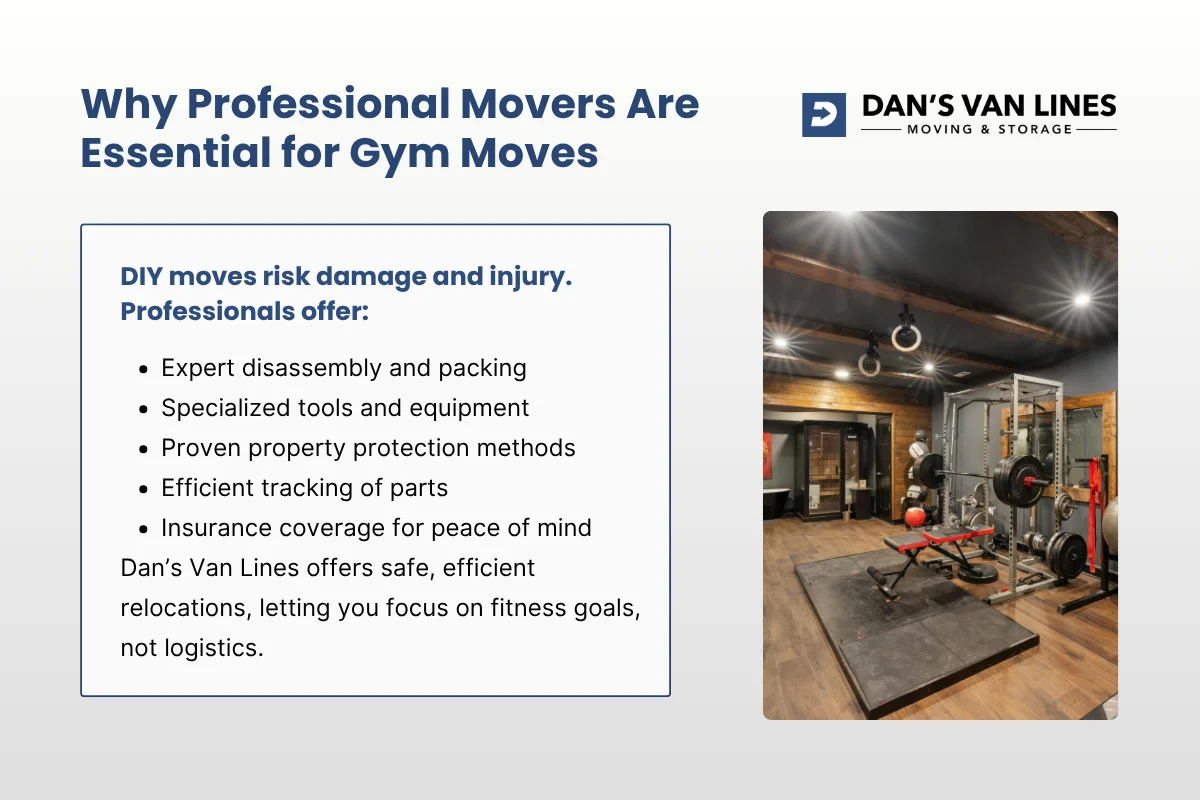
Pianos, gun safes, pool tables, and exercise equipment may require specialized equipment or extra crew.
Oversized artwork, statues, antiques, grandfather clocks, and delicate furniture may require crating or special protection.
Motorcycles or unusually heavy furniture should be discussed before the quote is finalized.
Customers should provide dimensions, photos, stair counts, elevator measurements, and hallway or doorway restrictions.
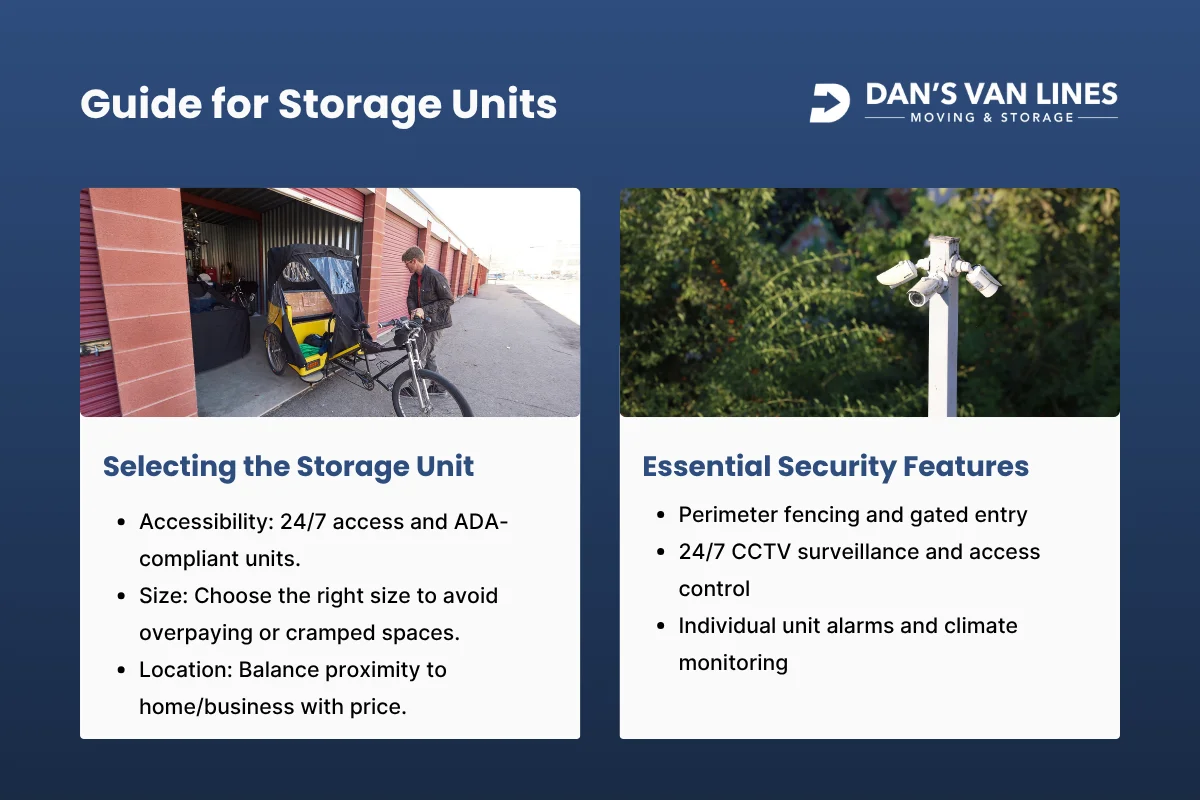
Storage may be needed when leases overlap, a closing is delayed, a building cannot accept delivery, or the new home has less space than expected. Ask whether storage is short-term or long-term, whether goods remain accessible, how items are inventoried, and whether delivery from storage is charged separately.
Choosing NYC to DC or DC to New York Movers Starts With the Estimate
Whether you are moving from New York to Washington DC or moving from DC to NYC, the estimate should reflect conditions at both addresses. A quote based only on bedrooms can miss cost factors, including stairs, elevators, walking distance, parking access, packing needs, specialty items, storage, and building rules.
Customers comparing corridor movers or searching for DC to New York movers should verify that the company is properly licensed and insured for interstate transportation and can provide a written estimate. The estimate should explain valuation coverage, claims process, cancellation terms, fuel and toll treatment, storage rates, packing charges, stair or elevator fees, shuttle policies, and payment requirements.
The move plan should identify who performs the work, whether the truck and crew are company-operated or subcontracted, where goods remain during transit, and how delivery appointments are confirmed. For a same-day move, ask what happens if traffic, weather, a building delay, or a failed permit makes delivery impossible.
Before moving day, provide building contacts, COI instructions, elevator reservations, permit numbers, curb photos, and a list of items that will not travel in the truck. Confirm both sides independently. A New York building arrangement does not authorize DC curb use, and a DC permit does not solve NYC truck-route or building restrictions. NYC DOT rules note that a single-unit box truck is generally limited to 35 feet for box trucks, while larger configurations may be subject to additional requirements.
For help planning a move between New York and the Washington DC area, Dan’s Van Lines offers long-distance moving, packing, specialty moving, and storage support from our Alexandria base. Get a Quote through our contact page at https://www.dansvanlines.com/contact-us or call us today at (703) 553-0900.