
Moving cross country works best when the work is broken into a steady timeline instead of saved for the final week. The most useful checklists start about eight weeks before moving day, giving you time to compare movers, sort belongings, plan travel, gather records, pack carefully, and prepare for delivery.
This cross country moving checklist follows an eight week framework from early planning through unloading and first-week unpacking. It is designed for homeowners, renters, families, and anyone moving cross country who wants practical steps without guesswork.
At Dan’s Van Lines, we help customers in Alexandria and throughout Northern Virginia plan long distance moves with the same kind of phased approach outlined below. If you have questions while working through this checklist, you can contact us for guidance as you prepare.

Eight Weeks Before Moving Cross Country, Build Your Plan Before You Book
Eight weeks out is the time to get organized, not the time to start packing every box. Multiple moving timelines recommend beginning at least eight weeks before a long distance move, especially when interstate routes, carrier availability, storage, and delivery windows need to be coordinated.
Start by creating one place for every moving document. This can be a binder, a digital folder, or both. You will use it to compare estimates, store contracts, save receipts, track records, and keep notes on decisions that affect your move.
Create a moving folder that keeps every decision visible
Your moving folder should help you avoid scattered emails, missing paperwork, and forgotten tasks. It should also separate documents that travel with you from items that can go on the truck. Important personal documents, valuables, and records should stay in your possession during the move.
At this stage, focus on organization and decision-making. You are setting up the system you will use for the next two months. A clear folder also makes it easier to compare movers and understand the true cost of each option.
Create a section for written moving estimates, contracts, receipts, and contact names.
Keep school records, medical records, insurance documents, IDs, financial papers, and passports in a separate travel folder.
Start a room-by-room inventory of furniture, boxes, electronics, and specialty items.
Take condition photos of valuable or fragile belongings before they are packed.
Begin a budget tracker with columns for estimated cost, confirmed cost, and actual cost.
Start decluttering before estimates become final
Decluttering early can affect your final move size, packing needs, storage needs, and cost. Long distance moves are often influenced by shipment weight and complexity, so shipping unwanted furniture, duplicate items, or low-value belongings may not make sense.
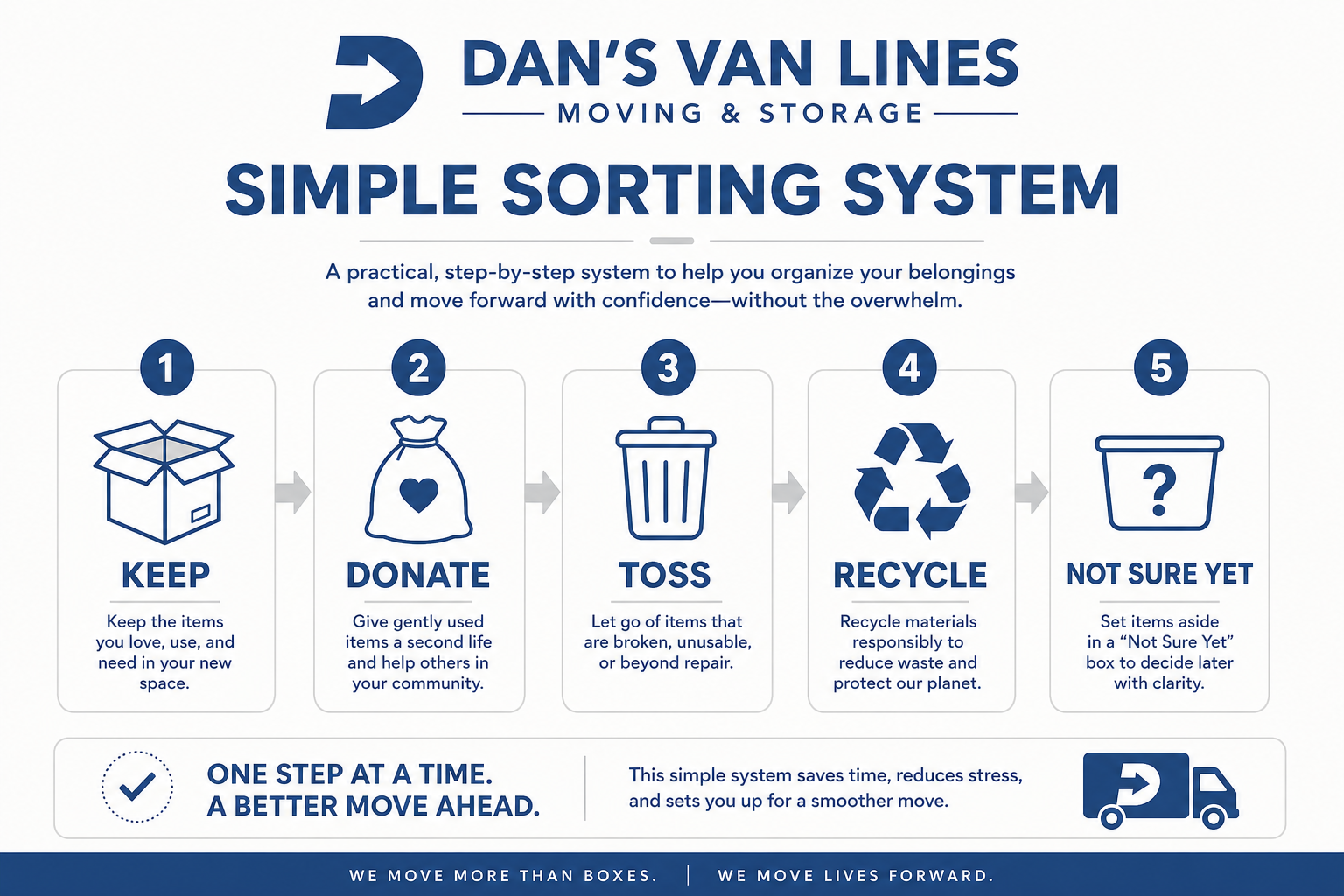
Work room by room and sort belongings into keep, sell, donate, trash, and storage categories. Begin with storage areas, garages, basements, attics, guest rooms, and other low-use spaces. These are usually the easiest areas to sort before daily life is disrupted.
Early decluttering is one of the most practical cross country moving tips because it affects nearly every later decision. It can reduce packing time, simplify loading day, and make your new home easier to set up.
Six to Eight Weeks Before Moving, Compare Movers, Estimates, and Service Levels
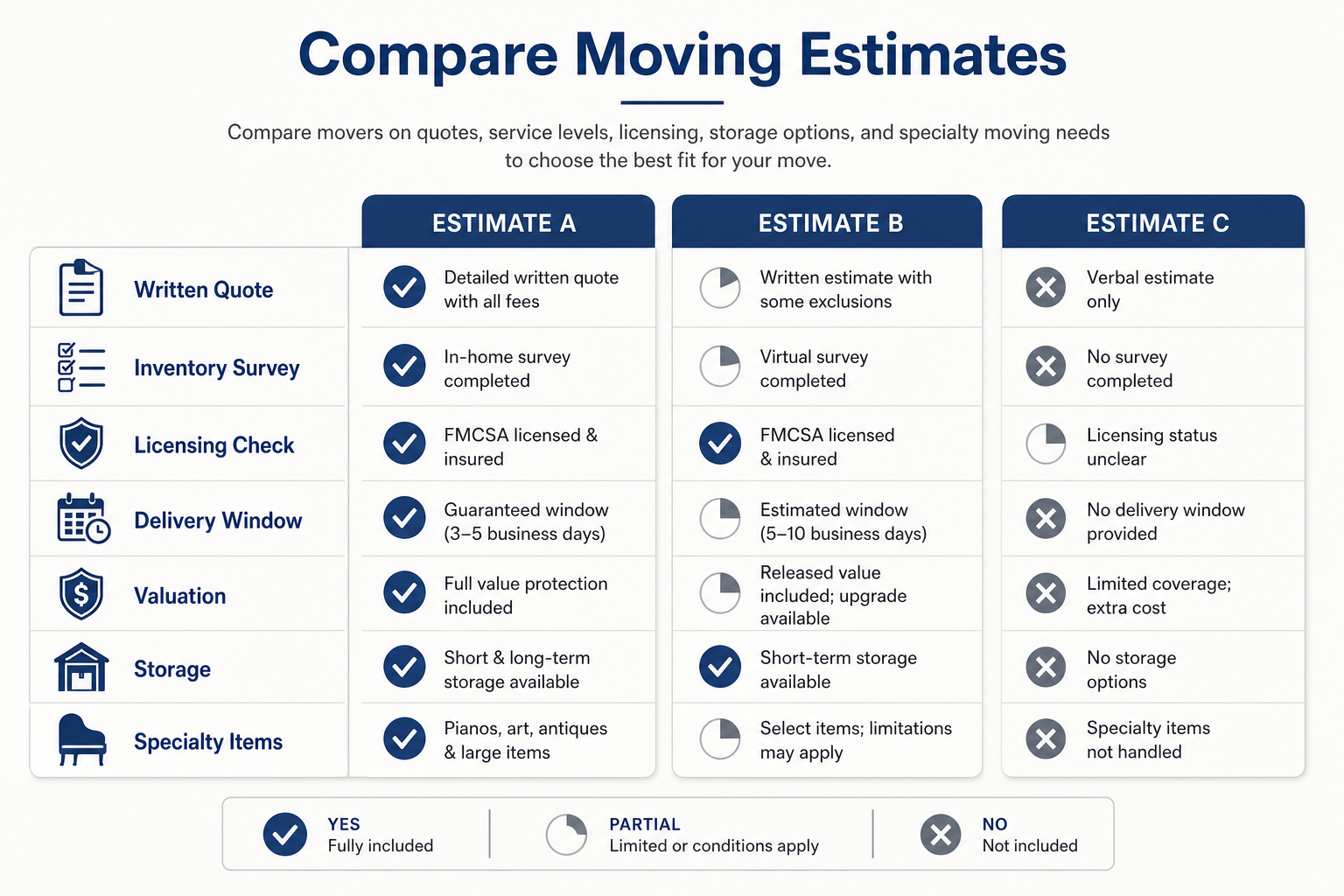
Once you understand your rough inventory, begin comparing long distance movers. Standard advice is to request 3 to 4 written quotes from licensed movers and avoid choosing on price alone. A low number is not helpful if the contract is vague, the inventory is incomplete, or the mover has unresolved service patterns.
For interstate moves, verify licensing and registration. The research consistently recommends checking a mover’s USDOT registration and FMCSA record before booking. You can use the USDOT registration and FMCSA record guidance as a reminder to confirm that a carrier is properly licensed for interstate transport.
Ask for estimates based on a real inventory survey
Quotes based only on rough descriptions can miss stairs, heavy items, packing needs, specialty pieces, and access limits. Ask whether the mover offers an in-home or virtual survey. A more accurate inventory helps reduce surprise charges and creates a clearer service plan.
When reviewing estimates, clarify the type of quote you are receiving. Binding, non-binding, and binding-not-to-exceed estimates work differently. Ask what can change the price, what is included, and which services would create additional charges.
Before you choose a mover, compare the same details across each estimate. The goal is to understand the full service, not just the bottom line. The most useful comparison looks at pricing, access fees, valuation, schedule, and the mover’s process for handling changes.
Is the estimate binding, non-binding, or binding-not-to-exceed?
Was the quote based on an in-home or virtual inventory survey?
Are stairs, elevators, long carries, shuttle service, or parking limits included?
How are pickup and delivery windows calculated?
What happens if your shipment arrives later than estimated?
What valuation options are included or available?
How are specialty items such as pianos, antiques, large glass pieces, or gym equipment handled?
Is storage available if your move-out and move-in dates do not align?
Choose the right service level for your cross country move
Service levels can range from basic transport to full-service moving. Some customers self-pack and hire movers for loading, transportation, and unloading. Others need partial packing for fragile items or select rooms. Full-service options may include whole-home packing, furniture disassembly and reassembly, and help with unpacking specific items.
This is the natural point to decide whether packing, specialty moving, or storage should be part of your plan. Dan’s Van Lines offers long distance moving, full-service packing, specialty moving, and warehouse storage, which can be useful when a Northern Virginia move involves fragile items, delayed housing, or a more complicated schedule.
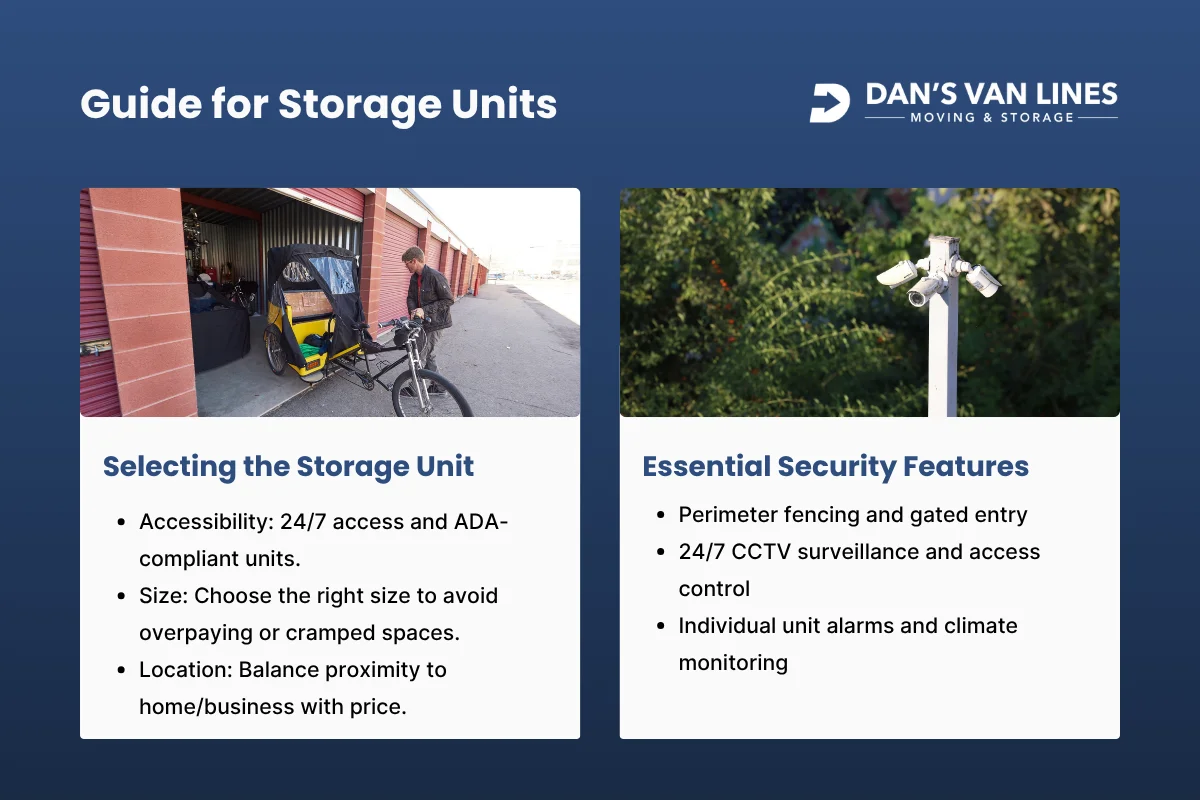
If you expect to need storage, discuss it during the quote stage. Storage can be helpful when closing dates do not align, when you are staging a home for sale, or when only part of a shipment should be delivered immediately.
Six Weeks Before Moving, Build a Budget That Includes Hidden Costs
A cross country moving budget should include more than the mover’s estimate. It should account for travel, lodging, packing supplies, valuation, permits, pet care, childcare, cleaning, storage, and utility deposits. Several timelines recommend creating the budget at the eight week mark and keeping a 10 to 15 percent buffer for surprises.
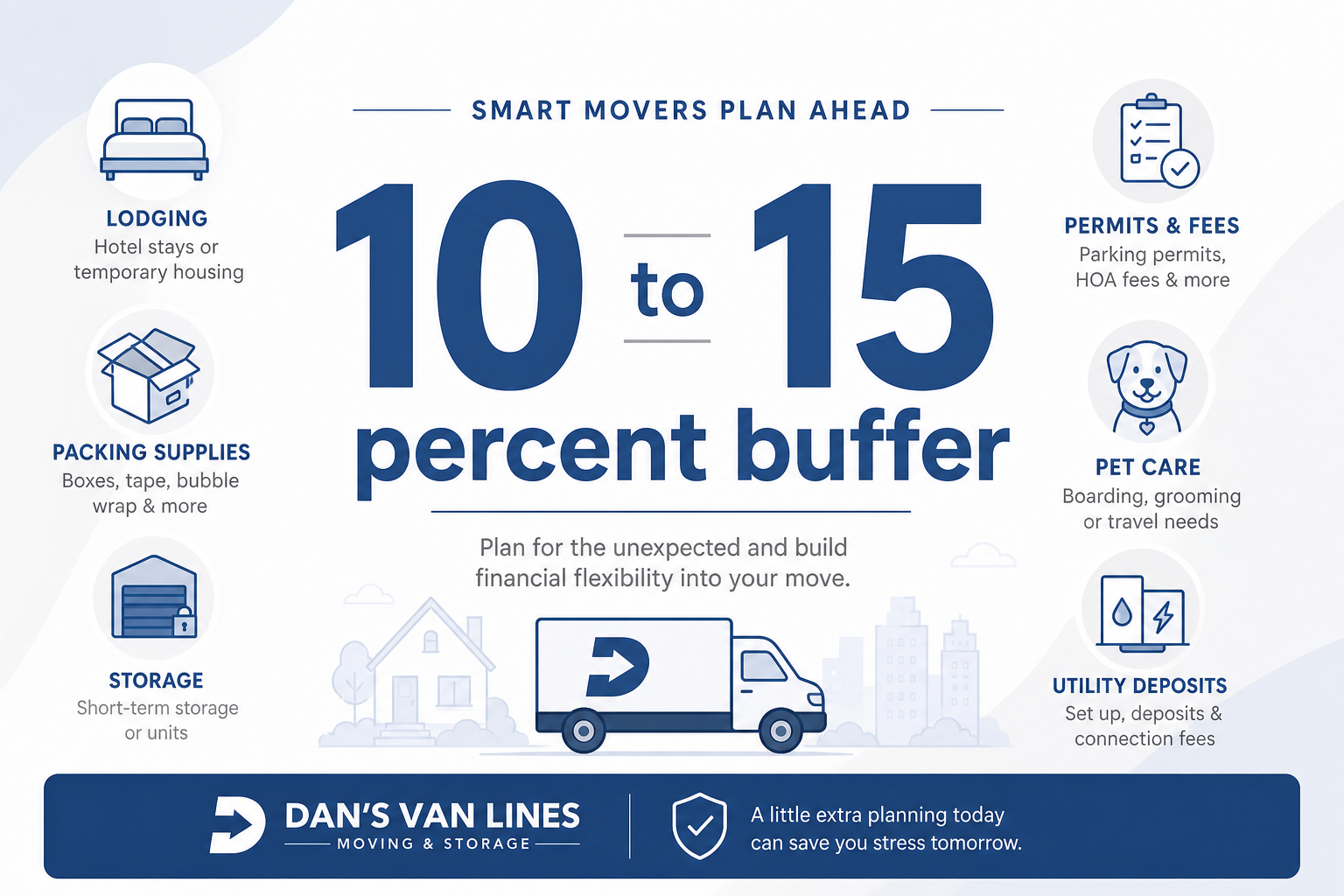
One moving timeline cites average local moves around $1,489 and long distance moves in the $3,129 to $4,890 range, showing how costs can rise with distance and shipment size. Use those figures only as a general reminder that moving cross country requires a wider budget than a local move.
Track the full cost of the move, not just the transportation line
Your budget should be a living document. Update it each time you receive a quote, buy supplies, reserve lodging, or change your service level. This helps you avoid the common mistake of budgeting only for the truck and labor.
Hidden costs often come from access, timing, and last-minute decisions. They are easier to manage when you ask about them before signing. If your building has a loading dock, elevator reservation, parking restriction, or long hallway, raise those details during the estimate process.
A good moving budget should include both confirmed expenses and likely extras. It should also include small cash expenses that come up near move day. Use your moving folder to track each item as you go.
Moving estimate, labor, transportation, and service charges
Packing supplies, boxes, tape, bubble wrap, markers, and specialty cartons
Valuation or third-party moving insurance decisions
Storage-in-transit or longer-term storage if dates do not align
Flights, fuel, tolls, hotel stays, and meals during travel
Pet boarding, childcare, or move-day help
Cleaning services, utility deposits, and setup costs at destination
Parking permits, elevator reservations, building fees, stairs, or long-carry charges
Tips, small cash expenses, and last-minute supplies
Four to Six Weeks Before Moving, Handle Records, Address Changes, and Early Packing
At the four to six week stage, the move shifts from planning into active preparation. This is when administrative work and packing start to overlap. If you wait too long on records, utilities, or building rules, they can interfere with loading day or your first week in the new home.
File change-of-address requests, notify financial institutions, arrange medical and school record transfers, and research new doctors, vets, and schools. If you rent, handle any required landlord notice. If your building requires elevator or loading dock reservations, confirm the process now.
Begin packing non-essential rooms and low-use belongings
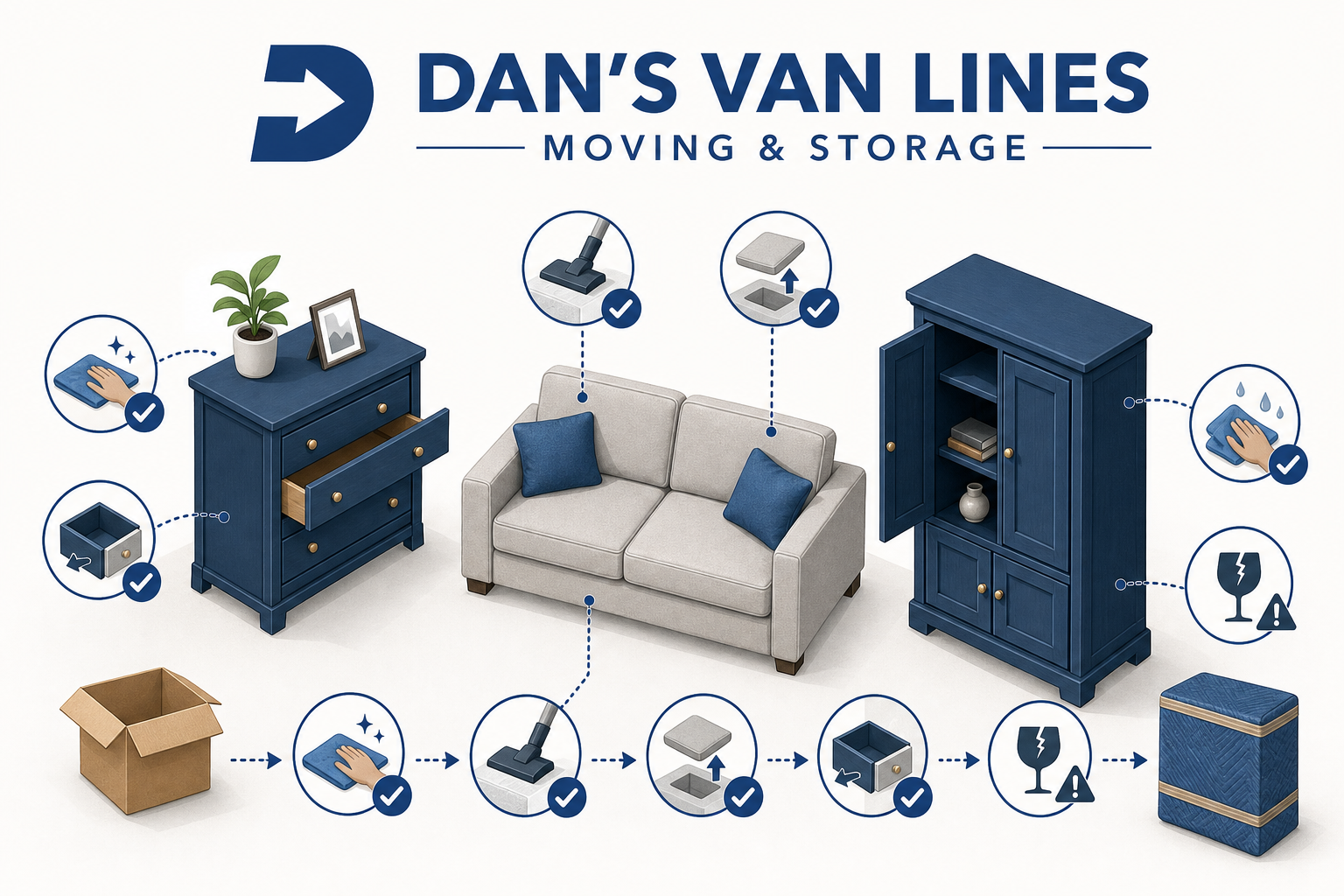
Structured packing should begin with items you will not need before moving day. This usually includes off-season clothing, books, décor, stored items, guest room contents, and extra kitchenware. Packing these categories first keeps daily routines intact while still making real progress.
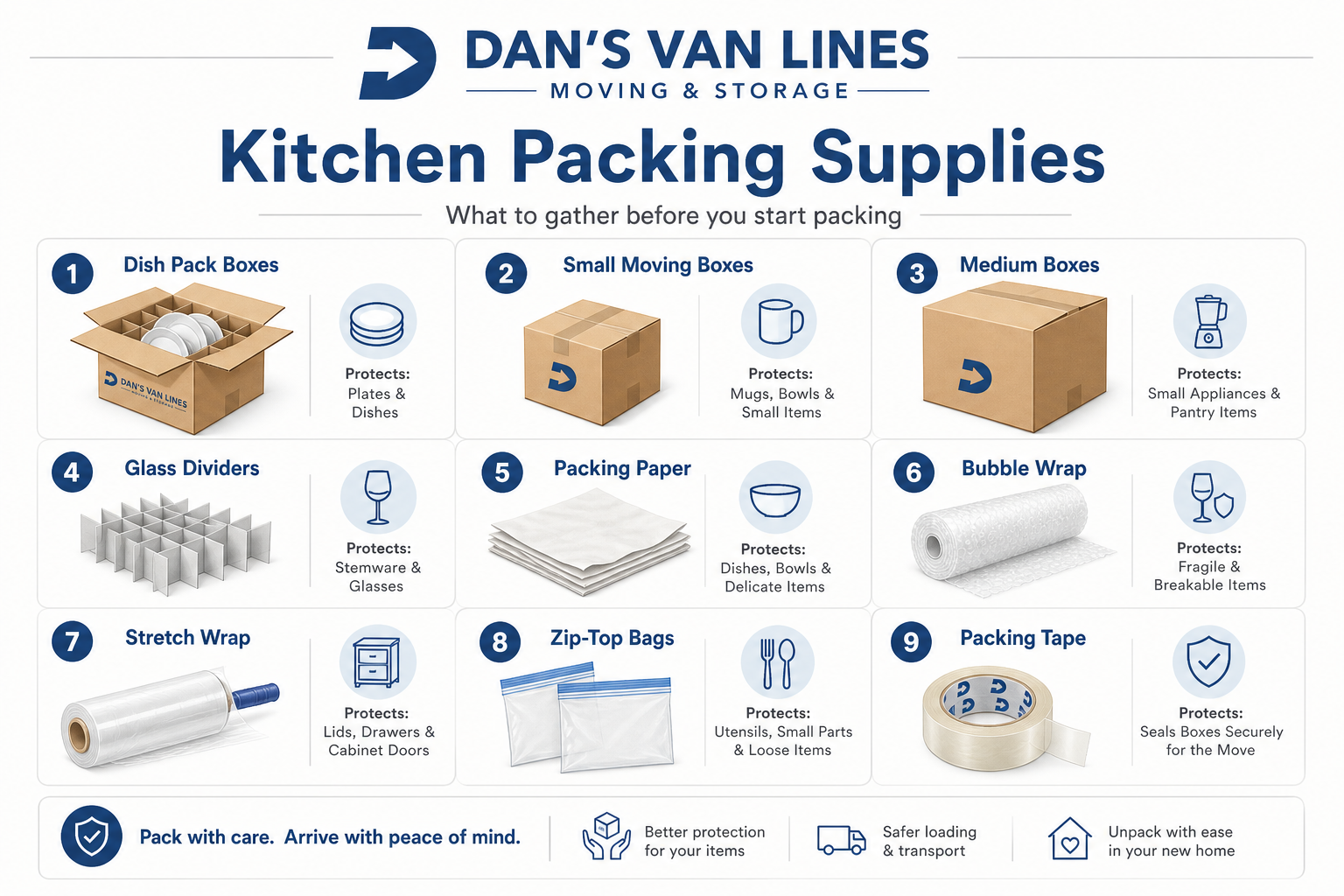
Order or gather remaining supplies around this stage. Many packing timelines recommend boxes in multiple sizes, wardrobe cartons, dish packs, tape, bubble wrap, and markers. Having enough supplies prevents the stop-and-start packing that often leads to rushed boxes.
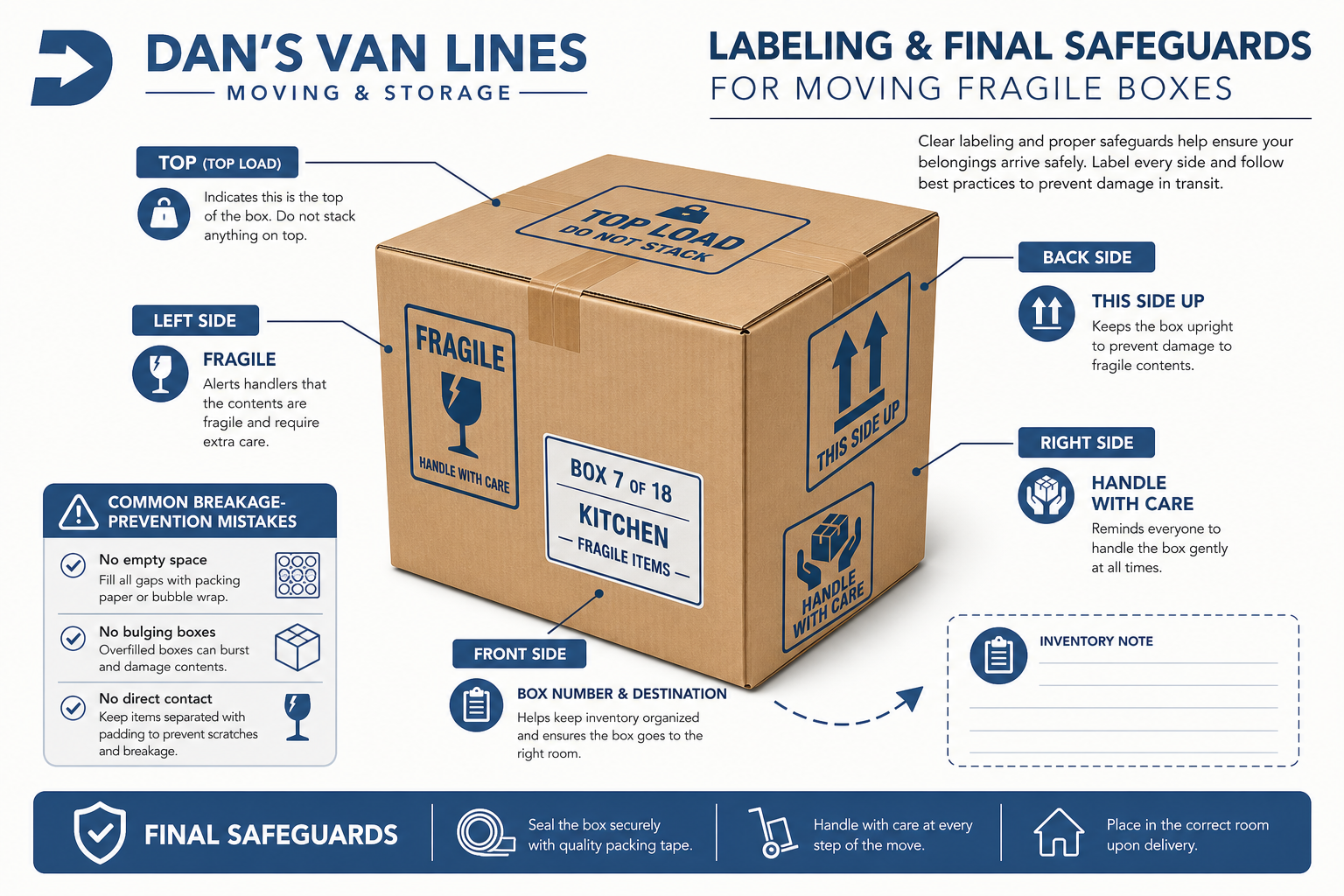
Use consistent labels from the beginning. Mark each box with the destination room, key contents, and any priority note such as “open first,” “fragile,” or “storage.” Color-coding by room can also make loading and delivery easier.
Plan routes, pets, vehicles, and special circumstances early
Complex moves need their own planning track. If you are moving with pets, schedule vet visits and gather updated records. Some state moves may require health certificates within 30 days of entry, so timing matters.
If you are deciding between driving and car shipping, begin comparing the practical impact of each option. Consider travel time, lodging, insurance updates, and registration changes after arrival. For families, also plan school transfers and keep comfort items available for children.
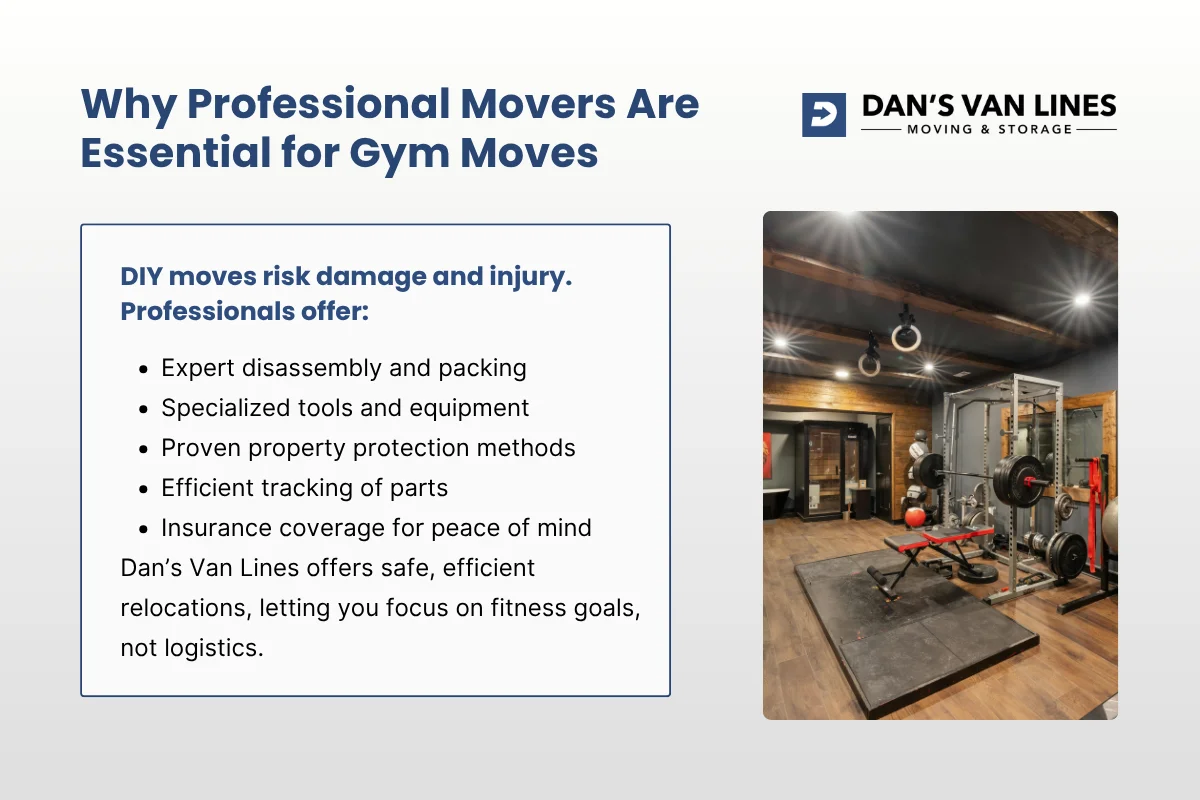
Specialty items should be identified before packing accelerates. Pianos, antiques, large glass pieces, gym equipment, artwork, and delicate collections may require crating or special handling. Add these items to your inventory and discuss them with your mover before the final plan is set.
One Month Before Moving Cross Country, Shift Into a Packing Checklist
One month out is the point where packing becomes a steady weekly responsibility. The goal is to avoid a final-week packing sprint that leaves fragile items poorly protected or essential items buried. A room-by-room approach keeps the work manageable.
Long distance packing guidance recommends beginning with low-use spaces and moving gradually toward daily-use rooms. The long distance packing guidance also emphasizes using the right supplies, cushioning fragile items, and keeping essentials accessible.
Use a room-by-room packing order that protects daily routines
Start with storage areas and rooms you rarely use. Then move to home offices, guest bedrooms, décor, books, and extra linens. Pack kitchens, bathrooms, and main bedrooms closer to the move because those rooms contain daily essentials.
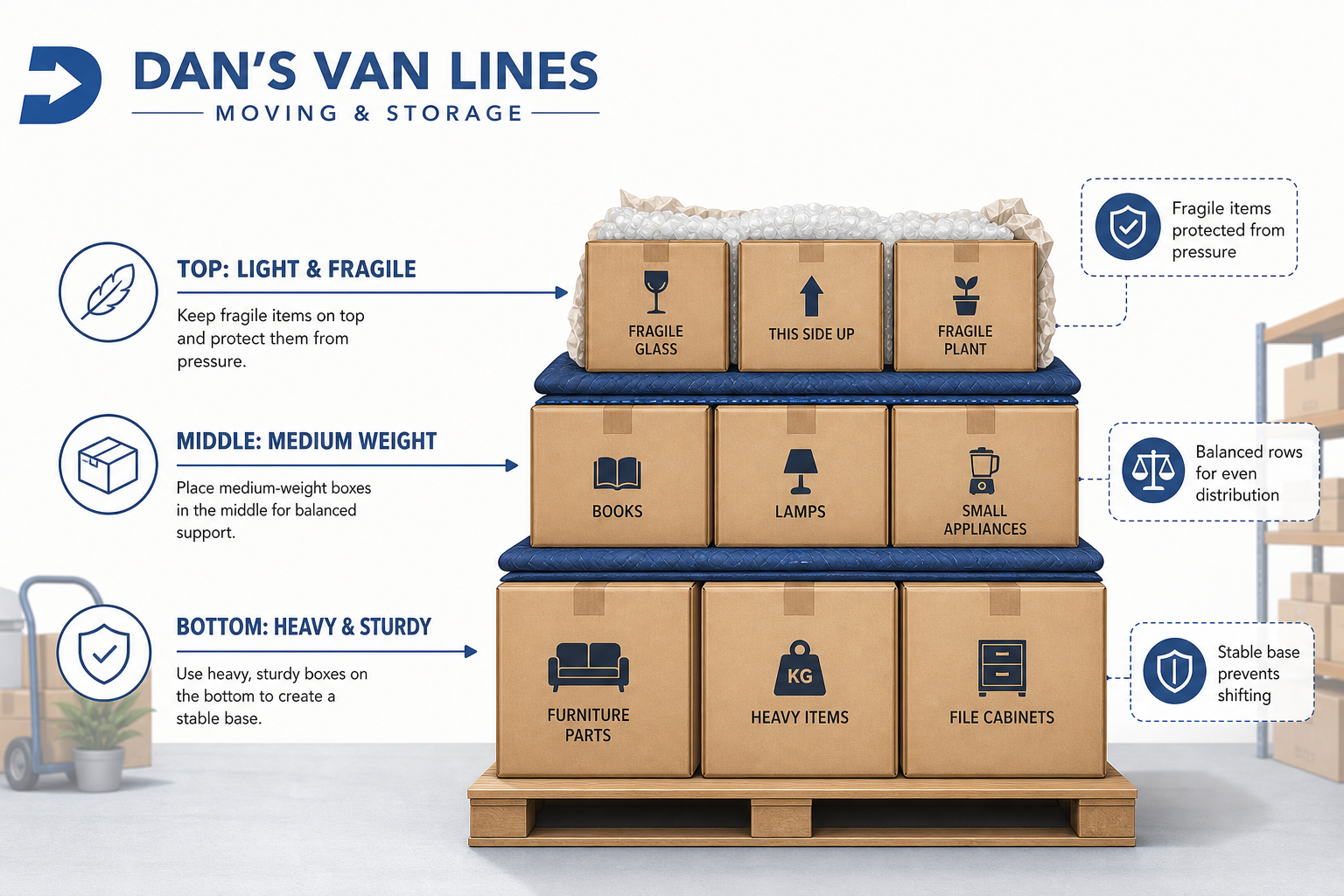
Do not overload large boxes with heavy items. Distribute weight across smaller boxes, reinforce bottoms with tape, and fill empty spaces with towels, blankets, or linens. Label every box clearly so delivery crews can place items in the correct rooms.
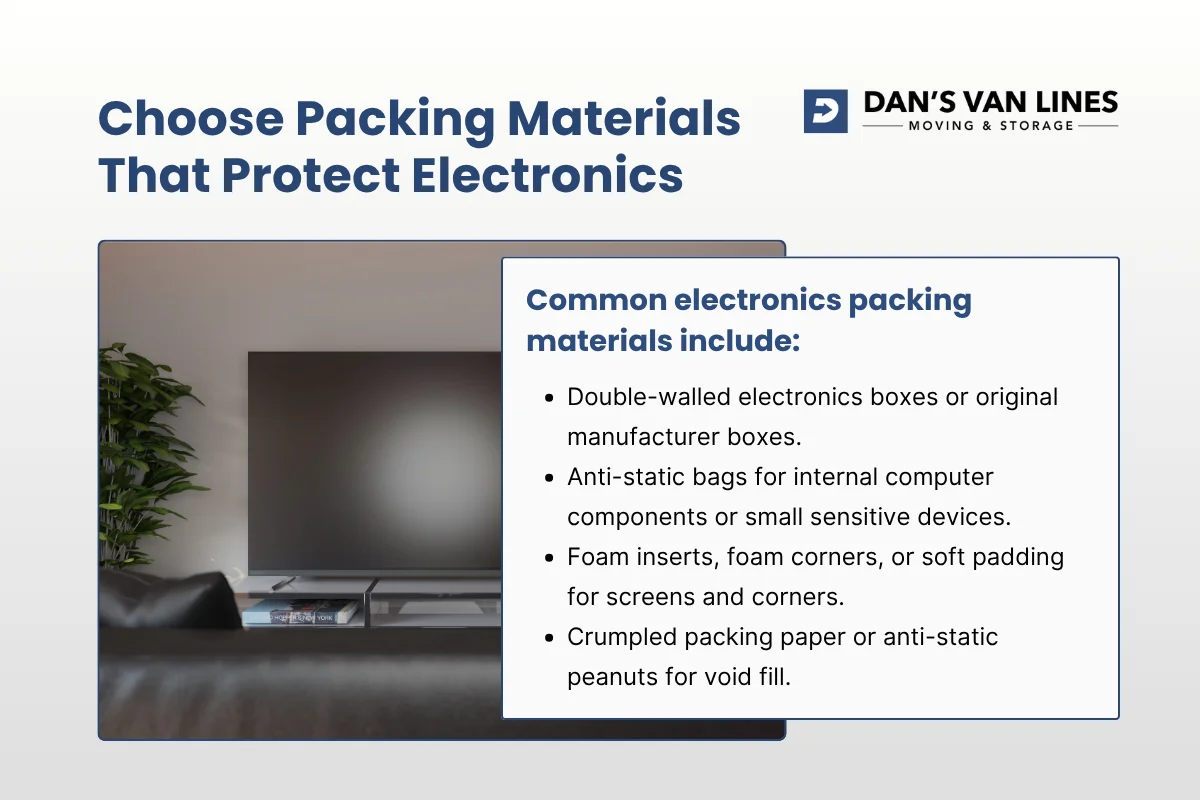
Use specialty cartons where they make sense. Dish-pack cartons can help with plates and glassware. Wardrobe boxes can simplify hanging clothes. Electronics should be padded, and cable setups can be photographed before disconnecting so they are easier to reconnect later.
Prepare an essentials suitcase and first-night boxes
Your essentials suitcase should travel with you, not in the moving truck. Include toiletries, medications, chargers, basic clothing, important documents, and items you need for the trip. If you have children or pets, include comfort items and any needed supplies.
First-night boxes should be clearly marked and easy to find at delivery. These boxes usually include bedding, towels, basic bathroom items, simple kitchen supplies, and items needed to get through the first evening and morning in the new home.
Two to Four Weeks Before Moving, Confirm Logistics and Finish Most Packing
The final month is when details become more specific. Confirm pickup windows, delivery windows, crew lead contacts, parking needs, elevator reservations, and any special instructions. If the moving truck cannot park near your building, ask whether a long carry or shuttle service could affect the plan.
Finish packing non-essential and commonly used items during this period, leaving only daily necessities for the last week. This is also a good time to confirm travel plans, book hotels, arrange pet care, and plan childcare if needed for loading day.
Review valuation and moving insurance before loading day
Valuation is one of the most important decisions to understand before your shipment is loaded. Moving valuation is not the same as a standard insurance policy. Federal rules commonly reference basic released value protection around $0.60 per pound per article, while full-value protection options may provide a different level of coverage.
That difference matters for heavier items that may not have a high payout under released value protection. For example, the research notes that comparing released value and full-value protection can make the choice more concrete for items such as a sofa, electronics, artwork, or collections.
Photograph valuable items, document serial numbers, and keep receipts where available. If you own high-value electronics, artwork, or collections, consider whether third-party moving insurance should supplement the carrier valuation.
Prepare appliances, outdoor tools, and restricted items
One-week checklists often include appliance and outdoor preparation because these tasks cannot always be done at the last minute. Refrigerators and freezers should be defrosted at least 24 hours before moving so interiors are dry for transport. Gas-powered tools should be drained of fuel in compliance with carrier rules on hazardous materials.
Use this stage to identify anything that should not go on the truck. Set aside important papers, jewelry, hard drives, IDs, financial documents, and medications. These should travel with you.
One Week Before Moving, Run the Final Countdown Without Rushing
One week out, the house should be mostly packed. The remaining work should involve daily essentials, final cleaning, safety, and confirmation. If too much packing remains, consider whether last-minute packing help is needed rather than rushing fragile or valuable items.
Reconfirm the mover’s arrival window, destination address, crew contact process, and special instructions. Verify elevator reservations, loading dock access, and parking arrangements. If you have pets or children, finalize where they will be during loading to keep them safe and out of active work areas.
Keep move-day essentials separate from general cargo
The most common mistake during the final week is accidentally loading something you need during travel or immediately after arrival. Prevent this by creating a clearly marked area for items that stay with you. Tell everyone in the household not to pack or move those bags.
This final set-aside area should be easy to identify. Keep it away from boxes that movers will load. If needed, place these items in your car or another secure location before loading begins.
Medication, toiletries, chargers, wallets, IDs, and passports
School, medical, insurance, and financial records
Jewelry, hard drives, valuables, and irreplaceable items
Several days of clothing for each household member
Pet food, leashes, carriers, records, and comfort items
Basic bedding, towels, toilet paper, soap, and first-night kitchen items
Snacks, water, cleaning wipes, and small tools
One Day Before Moving, Prepare the Home for Loading
The day before the move is a readiness checkpoint. Walk through every room, closet, cabinet, attic, basement, garage, and outdoor area. Make sure boxes are labeled, paths are clear, and fragile or high-priority items are easy to identify.
Unplug and defrost refrigerators and freezers at least 24 hours before moving. Clean appliances so they are dry and ready. Remove tripping hazards and make sure movers can move safely through hallways, stairs, and exits.
Use a final walkthrough to prevent forgotten items
A final walkthrough should happen before loading starts and again after the truck is loaded. Open every cabinet and closet. Check behind doors, under sinks, in sheds, on balconies, and in storage areas.
Move-out guidance often reminds customers to clean after belongings are removed, especially for renters seeking deposit returns or sellers preparing for buyers. After the home is empty, lock doors, turn off appliances, and confirm key handoff or landlord inspection requirements.
Loading Day, Stay Present, Review Paperwork, and Protect the Inventory
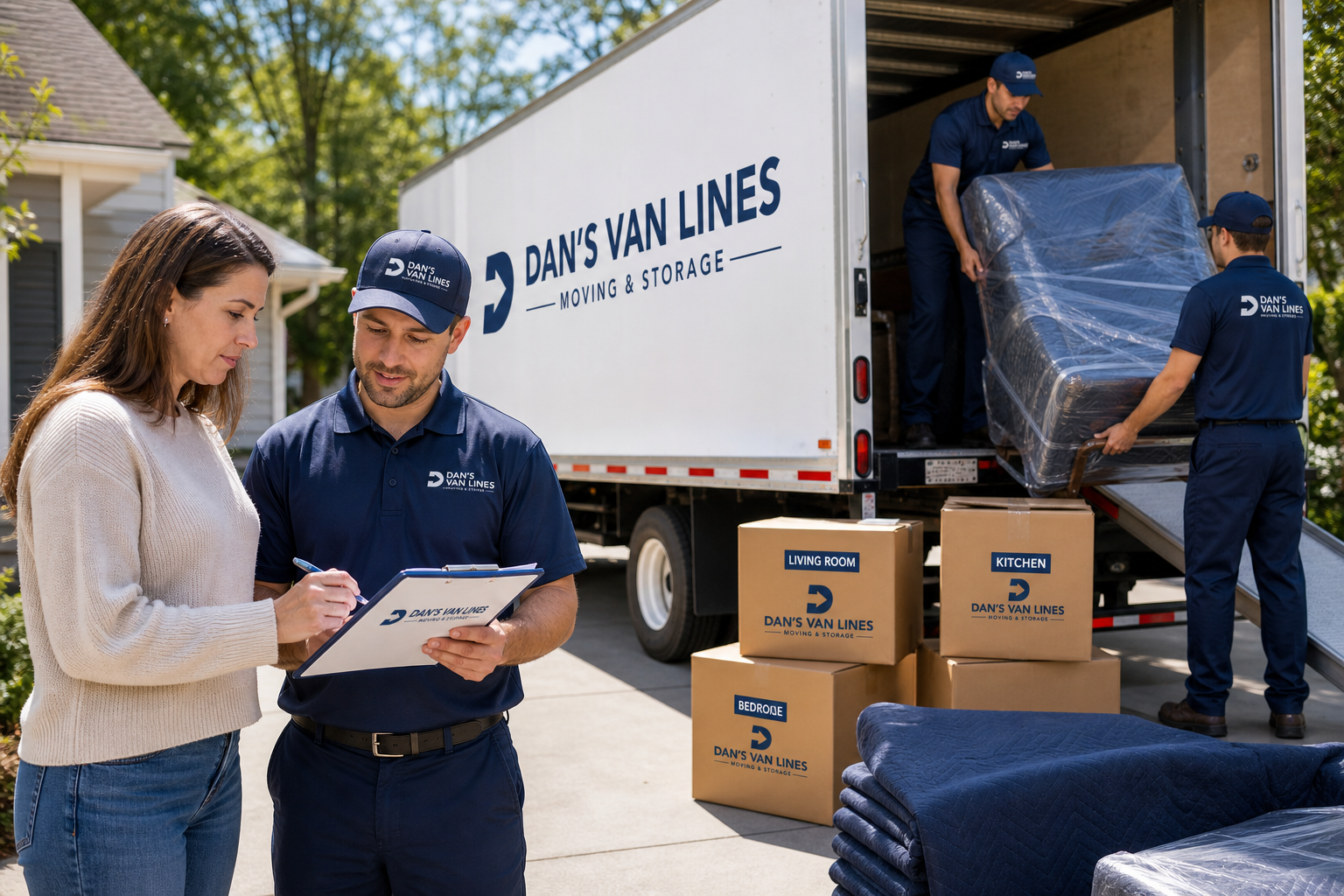
Loading day is active and paperwork-heavy. Be present while movers inventory and load items. Point out fragile boxes, specialty pieces, and priority items, and keep children and pets away from the work area for safety.
Before signing, review the inventory sheet, cube sheet if used, and bill of lading. Make sure the item list reflects what is being loaded and that existing damage or condition notes are accurate. The long distance moving checklist guidance emphasizes documentation during these stages because it supports both organization and claims if problems occur.
Confirm contact details and delivery expectations before the truck leaves
Before departure, confirm the crew lead contact, dispatch contact process, pickup paperwork, delivery window, and destination access notes. If there are stairs, gates, elevators, parking limits, or long carries at destination, make sure those details are clear.
Keep your essentials suitcase, documents, valuables, medications, and first-night items with you. Do not assume you can access boxes once they are loaded. If you need something during travel or on arrival, it should not be in the shipment.
Delivery Day, Inspect Items Before You Sign Off
Delivery day is not just unloading. It is the time to guide placement, check the inventory, and document anything that appears damaged or missing. Meet the truck, make sure there is clear access, and direct boxes to rooms based on labels or color codes.
As items come off the truck, reference the inventory sheet. If you see visible damage or missing pieces, flag it with the crew lead right away and note it before signing final paperwork. Taking move-in photos of rooms and large items can help with your own records.
Prioritize utilities, essentials, and the first rooms to unpack
After delivery, confirm that essential utilities and systems are working, including water, electricity, and internet if scheduled. Then focus on the rooms that help your household function immediately. Bedrooms and bathrooms usually come first, followed by the kitchen.
Unpack first-night boxes before non-essential décor or storage items. Assemble major furniture early so everyone has a place to sleep. Then work through remaining boxes gradually over the first week.
Storage, Pets, Vehicles, and Specialty Items Need Separate Planning Tracks
Some cross country moves are straightforward. Others involve delayed housing, pets, children, vehicles, or specialty items that require more decisions. These details should not be left for the final week because they can affect cost, timing, paperwork, and packing.
For storage, label boxes clearly as “storage” if they are not meant for immediate delivery. If part of your shipment will arrive later, keep a separate inventory for stored items and confirm access and retrieval timelines. When those items are delivered, reconcile the inventory again just as you would on the main delivery day.
Plan pet travel and child comfort before moving day
Pet-related cross country moving tips usually include vet visits, updated records, possible health certificates, and move-day care. Pets should be secured away from loading activity. Their food, medications, leashes, carriers, and records should travel with you.
For children, prioritize records, school transfers, and comfort items. Pack familiar items where they can be found quickly after arrival. This helps make the first night and first week less disruptive.
Decide early whether to drive or ship a vehicle
Vehicle planning can affect your travel route, hotel needs, arrival timing, and registration tasks after the move. Some customers drive their vehicle across the country, while others compare car shipping options. Either way, plan this decision alongside your broader moving timeline.
If your route is long or complex, build travel logistics into your moving folder. Cross country checklists frequently mention route planning, hotel reservations, and researching neighborhoods, climate, cost of living, and driving distances before departure.
Identify specialty items before the estimate is finalized
Specialty items need early attention because they can affect packing materials, labor, equipment, and valuation decisions. Pianos, antiques, glass, gym equipment, artwork, and delicate collections should be called out during the quote process. Some may need custom crating or special handling.
Do not pack these items casually at the end. Photograph them, document condition, and ask how they will be protected, loaded, and inventoried. The cross country moving checklist research highlights specialty items as a distinct planning category for more complicated long distance moves.
Cross Country Moving Checklist by Timeline
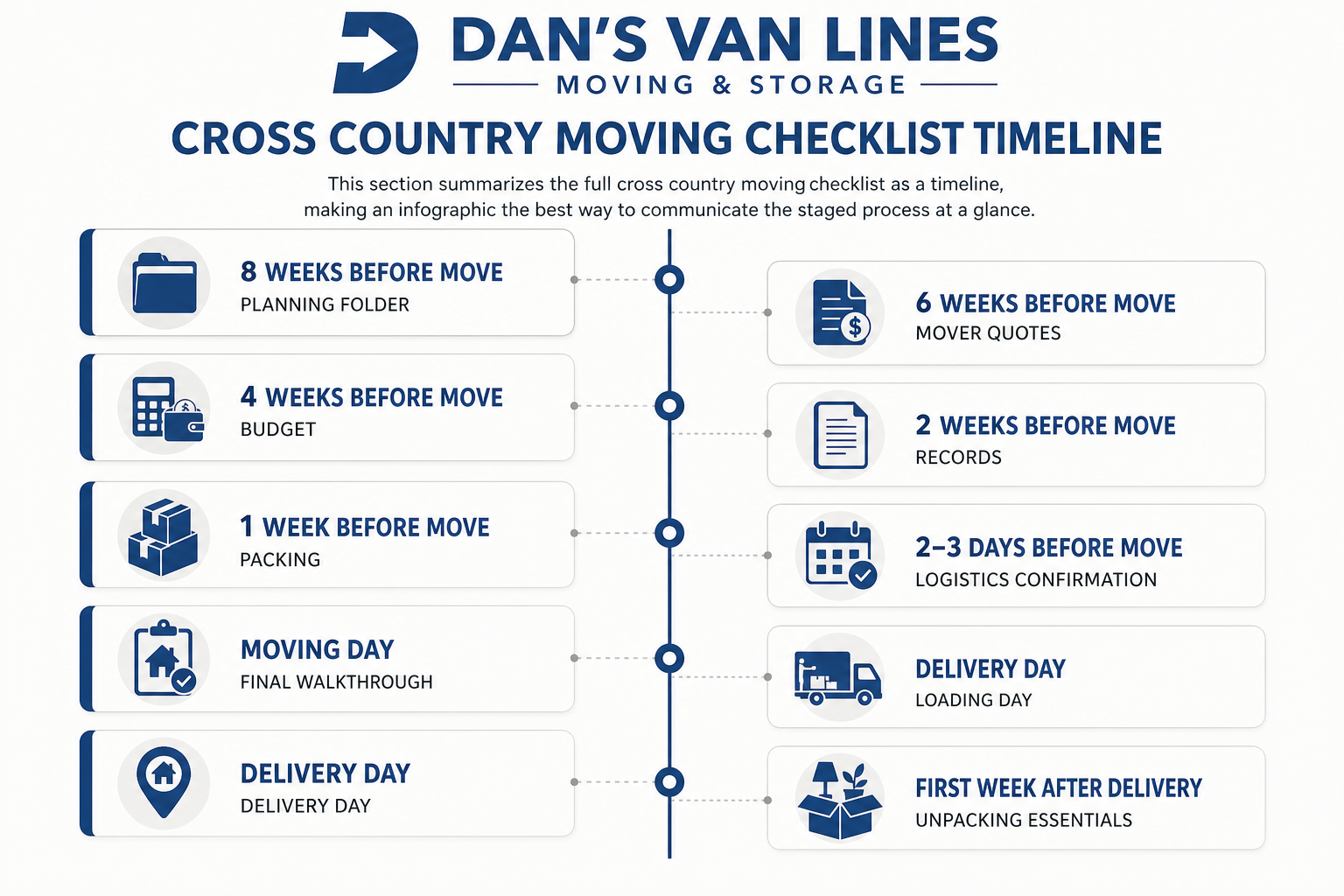
A timeline works best when each stage has a clear purpose. Eight weeks out is for planning and budgeting. Six to eight weeks is for booking and service decisions. Four to six weeks is for records and early packing. The final month is for packing, confirmations, loading, delivery, and unpacking.
Use this checklist as your working reference. Add details for pets, car shipping, specific routes, and packing as needed. The more complex your move, the more useful it is to treat each category as its own checklist inside your moving folder.
Eight weeks before: Create a moving folder, start a budget, declutter, inventory belongings, take condition photos, and begin researching movers.
Six to eight weeks before: Request 3 to 4 written quotes, verify licensing, compare estimate types, choose a service level, and discuss storage or specialty needs.
Six weeks before: Build a full budget with a 10 to 15 percent buffer, ask about hidden costs, and compare DIY versus professional moving costs.
Four to six weeks before: File address changes, transfer school and medical records, schedule utilities, confirm building rules, and begin packing non-essentials.
One month before: Order remaining supplies, pack room by room, label boxes clearly, prepare first-night boxes, and keep essentials separate.
Two to four weeks before: Confirm pickup and delivery windows, review valuation, finalize travel, arrange pet or childcare, and prepare appliances and outdoor equipment.
One week before: Finish packing except daily essentials, confirm mover details, set aside documents and valuables, and prepare the home for loading.
One day before: Defrost refrigerators and freezers, clear pathways, complete a full walkthrough, and keep personal travel items separate.
Loading day: Be present, guide movers, review inventory paperwork, confirm contacts, and keep essentials with you.
Delivery day: Direct box placement, inspect items, note concerns before signing, confirm utilities, and unpack essentials first.
First week after delivery: Assemble major furniture, unpack bedrooms and bathrooms, set up the kitchen, reconcile stored items if applicable, and work through non-essential boxes gradually.
Get a Quote for a Cross Country Move From Northern Virginia
A clear checklist makes moving cross country easier, but the right plan still depends on your inventory, schedule, route, packing needs, and delivery expectations. If you are planning a long distance move from Alexandria or Northern Virginia, Dan’s Van Lines can help you choose the right moving, packing, specialty, or storage services for your situation.
Get a Quote today by calling (703) 553-0900 or visiting https://www.dansvanlines.com/contact-us.












.webp)
%20(1).webp)
.webp)

.webp)

.webp)
.webp)
.webp)



.avif)
%201.svg)

%201.svg)
%201.svg)