
Relocating a warehouse, especially across state lines, is a high-stakes endeavor for any business with significant inventory, equipment, and operational complexity. For compliance professionals at financial institutions, understanding the logistics, risk management, and regulatory considerations of such a move is essential. This guide explores the critical steps, best practices, and advanced strategies for large-scale warehouse relocation, ensuring minimal downtime and regulatory compliance throughout the process.
Serving Alexandria, VA, Dan's Van Lines combine local expertise with long distance moving experience. If you have any questions at any point in this guide, do not hesitate to contact our team.
Why Warehouse Relocation Demands Meticulous Planning
Warehouse relocation is not just about moving goods from one place to another. For large-scale operations, often exceeding 100,000 square feet and involving thousands of pallets and heavy machinery, the stakes are high. Even a single day of downtime can result in tens of thousands of dollars in lost revenue for manufacturers or e-commerce firms. The primary objective is to maintain operational continuity, ensuring that customer orders, supply chain commitments, and compliance requirements are met without interruption.
Key Drivers for Relocation
Businesses may relocate warehouses to optimize logistics, access better infrastructure, reduce costs, or comply with new regulatory requirements. Cross-state moves often provide access to major highways, ports, or rail lines, which can significantly improve shipping efficiency and delivery times.
Strategic Planning: The Foundation of a Successful Move
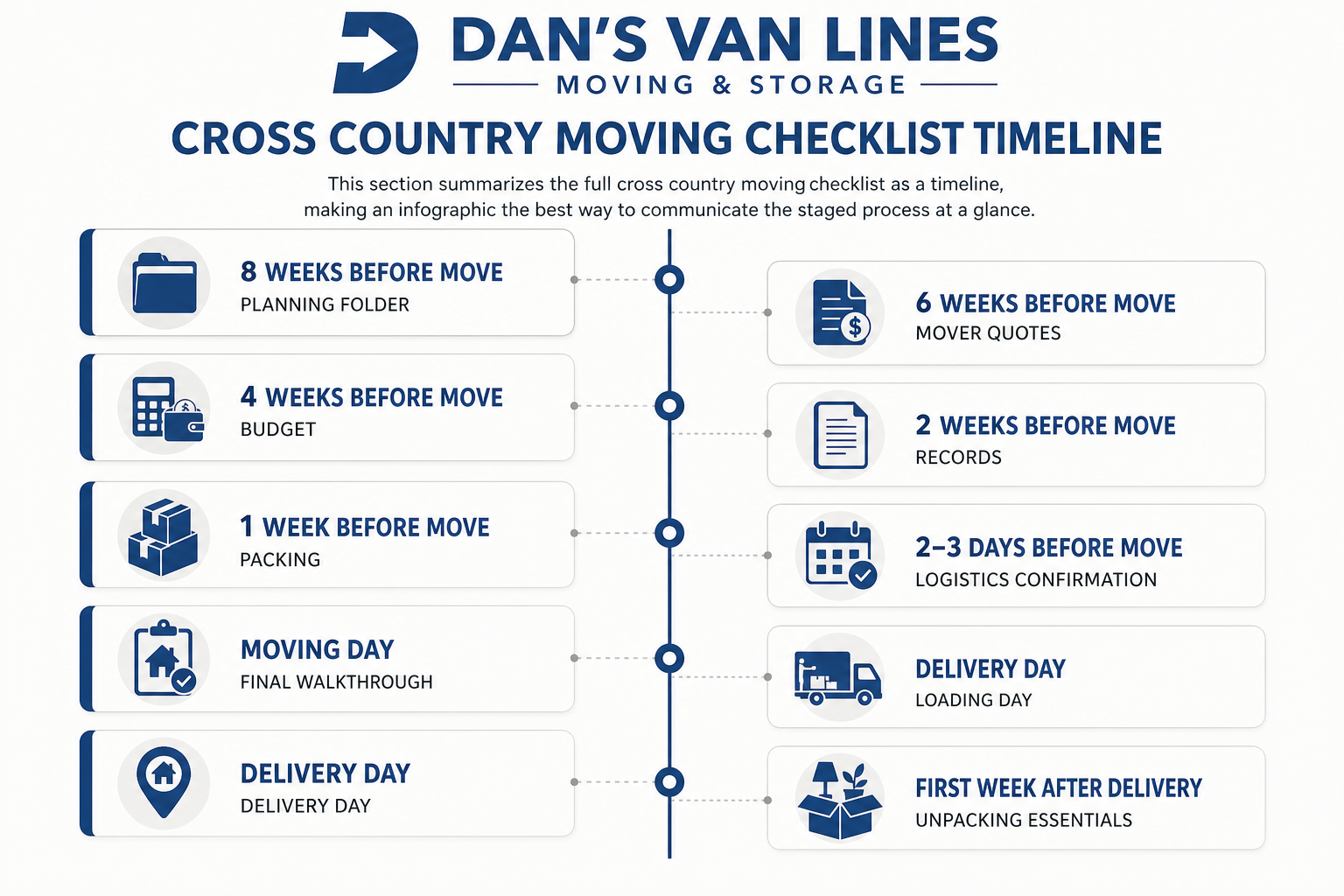
Effective warehouse relocation begins with a detailed plan developed 6-12 months in advance. This plan should address every aspect of the move, from site selection and inventory audits to technology integration and regulatory compliance. Early planning uncovers hidden costs, identifies potential risks, and ensures that all stakeholders are aligned on objectives and timelines.
.webp)
Site Assessment and Selection
Start with a comprehensive assessment of both the current and new warehouse sites. Evaluate square footage, racking configurations, equipment needs, and inventory by SKU velocity. For interstate moves, proximity to major highways like I-80 or I-95 is crucial for efficient trucking and reduced transit times. Assess the new site for loading dock capacity, ceiling heights, and utility readiness, while considering state-specific zoning laws and environmental permits.
Building the Project Team
Assemble a cross-functional team led by a relocation manager. Include representatives from operations, IT, HR, legal, and logistics. This team will oversee the move, manage vendor relationships, and ensure compliance with interstate commerce regulations, labor laws, and tax requirements.
Budgeting and Risk Assessment
Budgeting for a warehouse move must account for transportation, specialized rigging, FMCSA-mandated escort vehicles, and potential tolls. Transportation alone can exceed 40% of total costs. Risk assessments should identify vulnerabilities such as weather delays, supply chain disruptions, and regulatory hurdles, with contingency buffers of 20-30% built into timelines.
Phased Delivery: Minimizing Downtime and Disruption
Phased delivery is the cornerstone of a successful large-scale warehouse relocation. Rather than shutting down operations for a single massive move, phased strategies break the process into manageable waves. This approach allows businesses to maintain 70-80% of operations at the original site while gradually transitioning inventory and equipment to the new location.
.webp)
How Phased Relocation Works
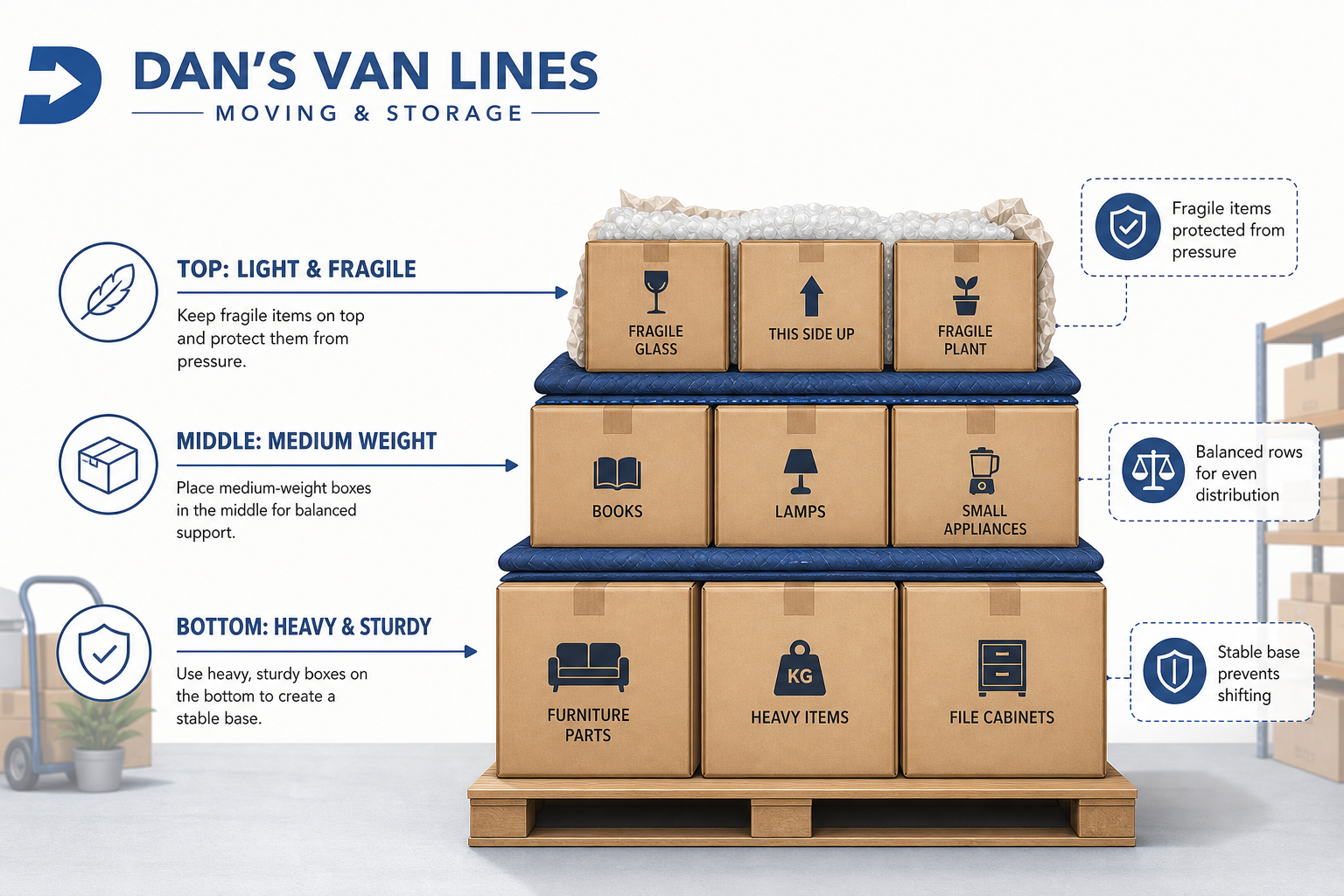
In the first phase, non-critical inventory and equipment are transferred, with buffer stock maintained at the old site to fulfill orders. Trucks loaded with palletized goods depart in staggered convoys, synchronized with the partial setup of the new site. Racking and shelving are installed first, followed by the transfer of slow-moving inventory. This dual-site fulfillment model ensures that high-priority orders can be shipped from either location, maintaining service levels throughout the transition.
Managing Sensitive Equipment and Final Cutover
Subsequent phases focus on relocating sensitive equipment and remaining inventory. Certified specialists handle the disassembly, crating, and transport of machinery, ensuring compliance with state oversize permits and minimizing risk of damage. The final cutover is typically scheduled for weekends or off-peak periods to leverage reduced traffic and minimize operational impact. Interim storage near state lines can be used to prevent bottlenecks and ensure a smooth transition.
Coordinating Operations for Seamless Transition
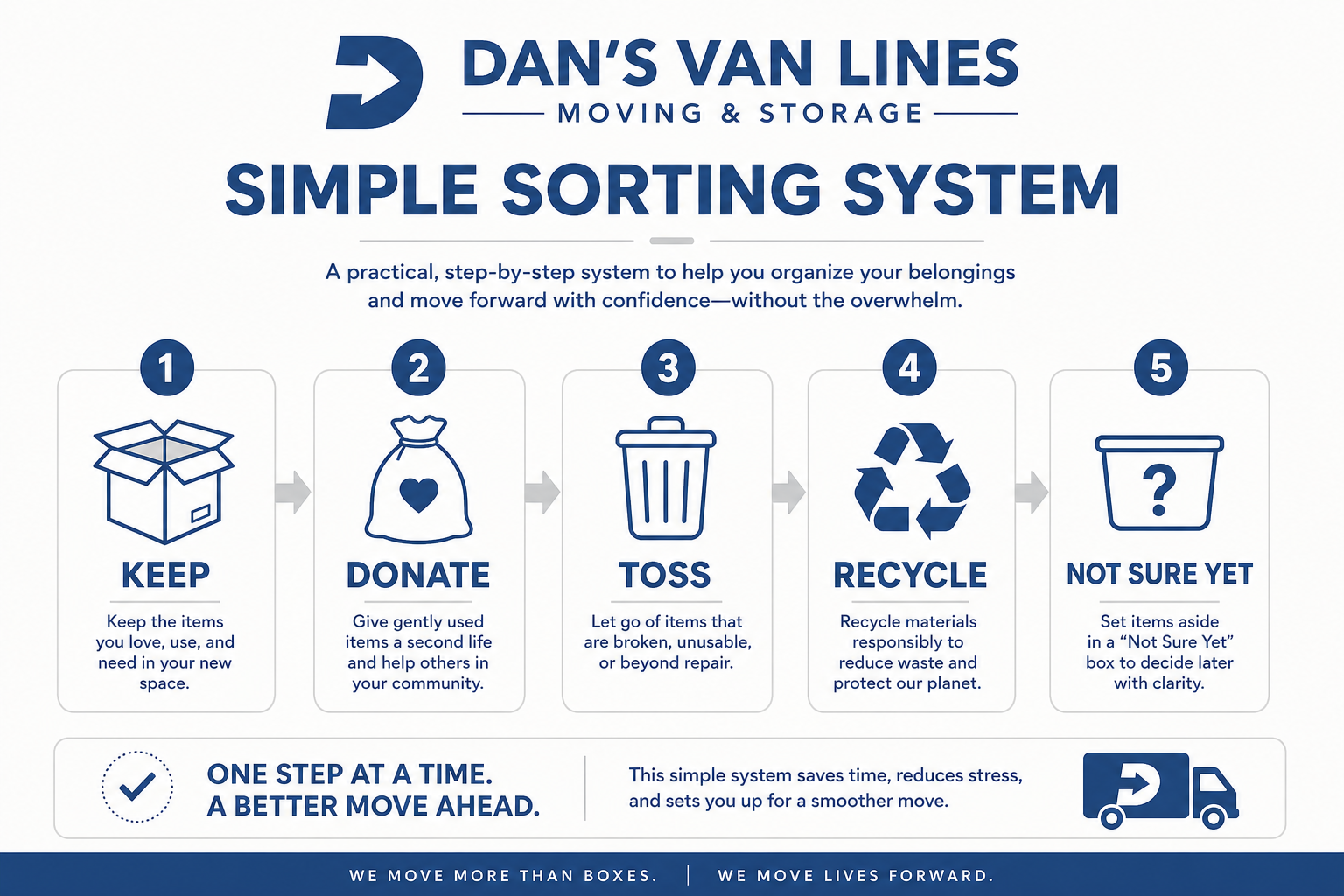
Operational coordination is critical to minimizing downtime and maintaining order accuracy. Cross-functional teams should hold regular meetings to align IT cutovers, inventory transfers, and customer communications. Suppliers should be notified at least 90 days in advance, with delivery schedules adjusted to accommodate the move. Customers should receive timely updates on potential delays, typically limited to 1-2 days.
Labor and Vendor Management
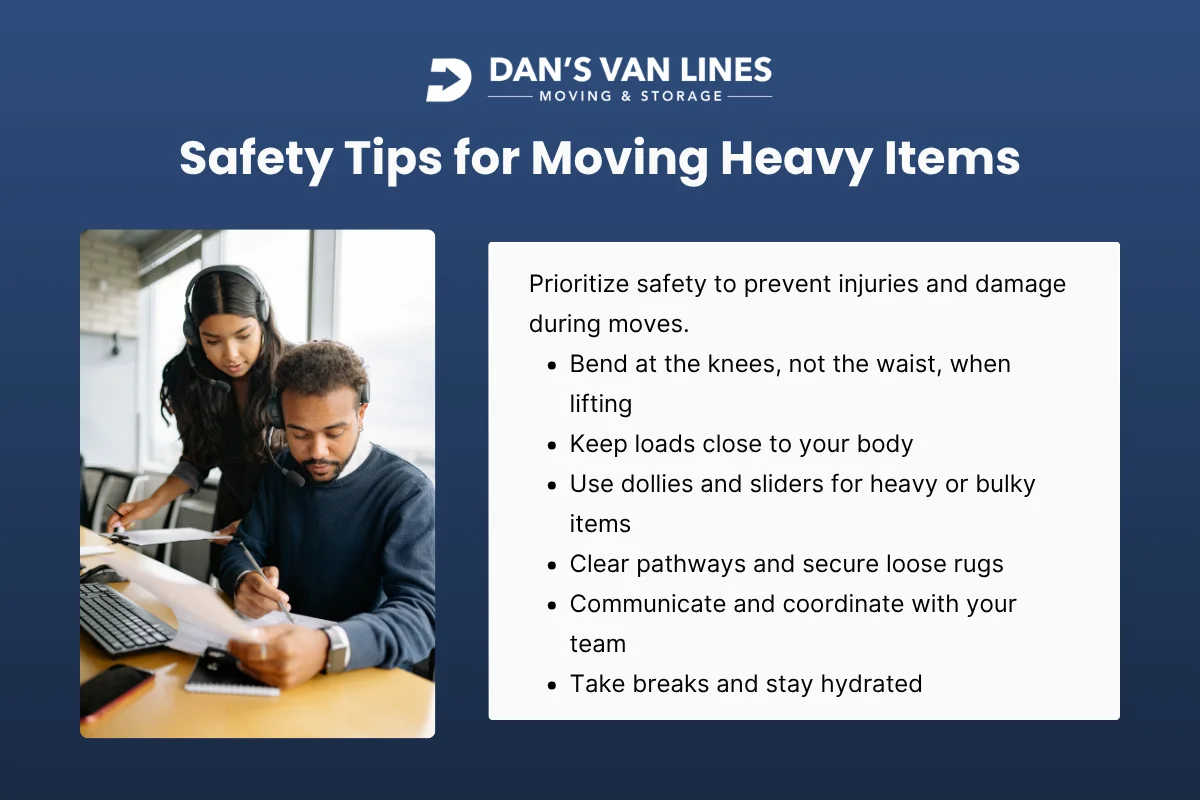
Managing labor across state lines requires careful planning. Temporary crews may be needed for peak periods, and all drivers must meet DOT physical requirements. Training sessions should simulate phased move scenarios, emphasizing barcode scanning and inventory accuracy. Vendor coordination, including movers, riggers, and electricians, should be managed with shared project timelines and clear accountability for delays.
Technology Integration
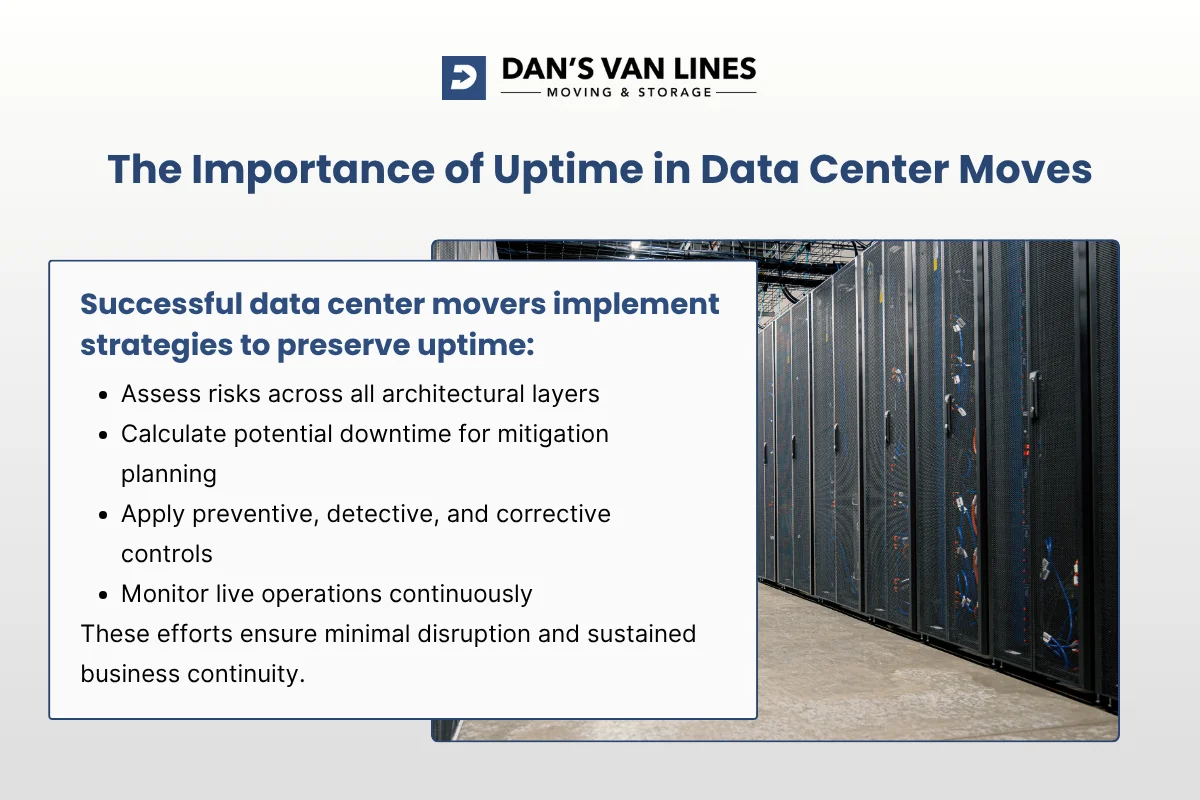
Warehouse management systems (WMS) must be compatible across both sites, with real-time GPS tracking for convoys and automated order routing to available stock. Inventory audits can identify dead stock for liquidation, reducing move volume and associated costs. Data analytics should be used to forecast demand and schedule the move during off-peak periods.
Regulatory and Risk Considerations
Interstate warehouse relocations are subject to a range of federal and state regulations. Carriers must hold active USDOT numbers, and electronic logging devices (ELDs) are required to enforce driving limits. Hazardous materials require HAZMAT endorsements and state-specific manifests. Insurance coverage must be sufficient to protect against cargo loss or damage, with policies often exceeding $100,000 per truck.
.webp)
Mitigating Risks
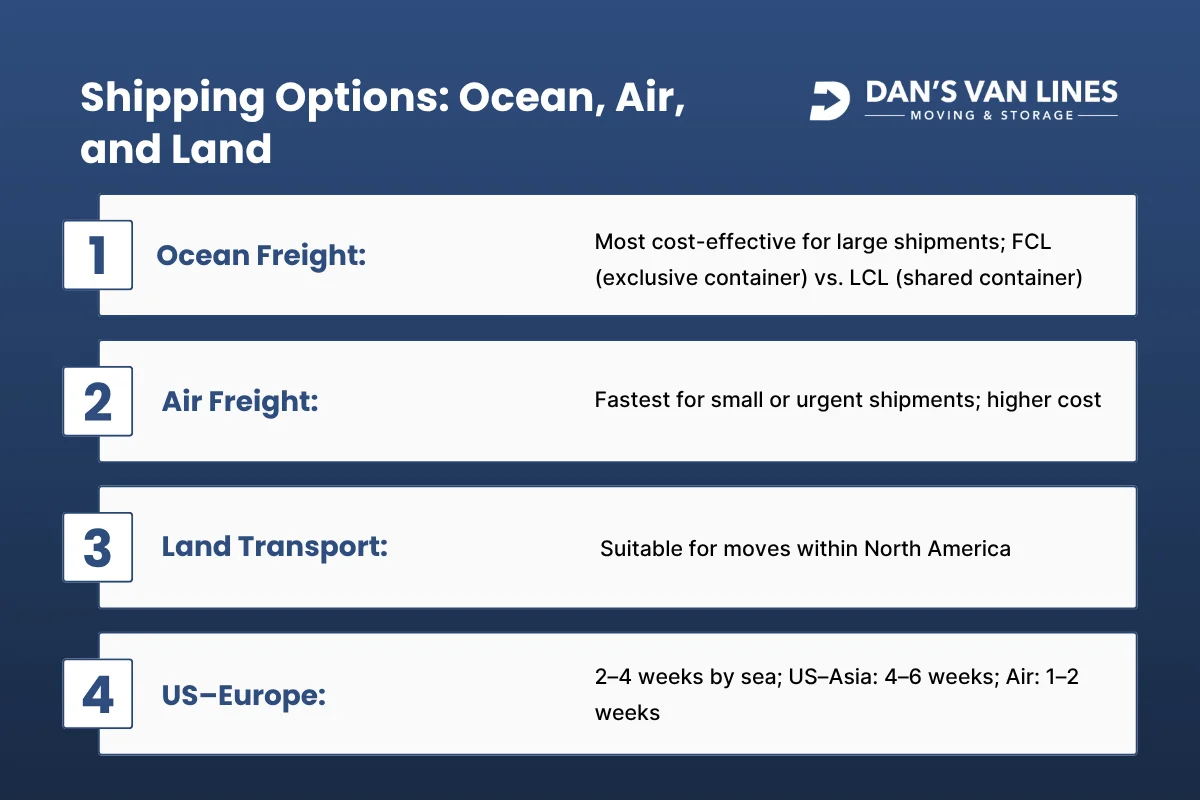
Risks such as weather delays, border inspections, and supply chain disruptions can be mitigated through contingency planning, redundant carriers, and real-time GPS tracking. Regular compliance drills and communication protocols ensure that all team members are prepared to respond to unexpected challenges.
Measuring Success
Key performance indicators (KPIs) for a successful warehouse relocation include order accuracy (targeting 99.5%), fulfillment speed, and inventory shrinkage (less than 0.5%). Post-move, businesses often realize efficiency gains of up to 20%, with costs averaging $5-15 per square foot moved. The return on investment is driven by improved logistics, reduced downtime, and enhanced customer satisfaction.
.webp)
Partnering with Dan’s Van Lines for Your Warehouse Relocation
Large-scale warehouse relocations across state lines require expertise, precision, and a commitment to operational continuity. Dan’s Van Lines brings decades of experience in both local and long-distance moves, offering tailored solutions for complex commercial relocations. Our team manages every aspect of your move, from site assessments and phased delivery to regulatory compliance and technology integration, ensuring a seamless transition with minimal disruption to your business.
If you are planning a warehouse relocation or need guidance on optimizing your logistics strategy, contact Dan's Van Lines today. Our experts are ready to help you achieve a smooth, efficient, and compliant move, no matter the scale or distance.










.webp)
%20(1).webp)
.webp)


.webp)
.webp)
.webp)



.avif)
%201.svg)

%201.svg)
%201.svg)