
A healthcare move is not a standard office relocation with exam tables and waiting room chairs added to the inventory. Medical practices, dental offices, imaging centers, and labs have to protect patients, records, equipment, supplies, schedules, and compliance obligations at the same time. Every phase of the move affects how quickly the organization can resume care, maintain productivity, and support staff without creating confusion for patients.
For practices in Alexandria and across Northern Virginia, we understand that the real goal is not simply getting everything from one address to another. It is reopening safely, preserving continuity of care, and avoiding preventable delays that affect patients and staff. A successful healthcare relocation requires detailed planning, clear communication, secure handling procedures, and a move strategy built around clinical operations rather than generic office logistics.
Why Healthcare Relocations Require Specialized Planning
Healthcare environments include far more than furniture and file boxes. Many facilities rely on sensitive diagnostic devices, sterilization equipment, temperature controlled materials, medication storage systems, networked workstations, specialized plumbing or electrical connections, and rooms designed for specific clinical purposes. Each item and space has a role in patient care, and each must be transitioned with care to avoid damage, data loss, contamination, or operational disruption.
Unlike a standard business move, healthcare relocation planning often involves multiple internal stakeholders. Physicians, office managers, IT teams, compliance personnel, front desk staff, billing teams, and clinical leads all need coordinated timelines. Decisions about what moves first, what stays in service until the last day, and what must be installed before reopening can have a direct effect on patient access and revenue.
Protecting Patient Records and Data
One of the most important parts of any healthcare move is safeguarding patient information. Paper charts, archived files, hard drives, servers, and networked devices may all contain protected health information. These materials should be inventoried, packed, transported, and reinstalled using secure procedures that reduce the risk of loss or unauthorized access.
Practices also need to think beyond physical files. Phone systems, appointment platforms, practice management software, imaging archives, and electronic health record access all need to function properly before patients begin arriving at the new location. Address updates, internet installation, device testing, and backup verification should be completed early enough to prevent interruptions in scheduling, billing, and communication.
Handling Medical Equipment With Care
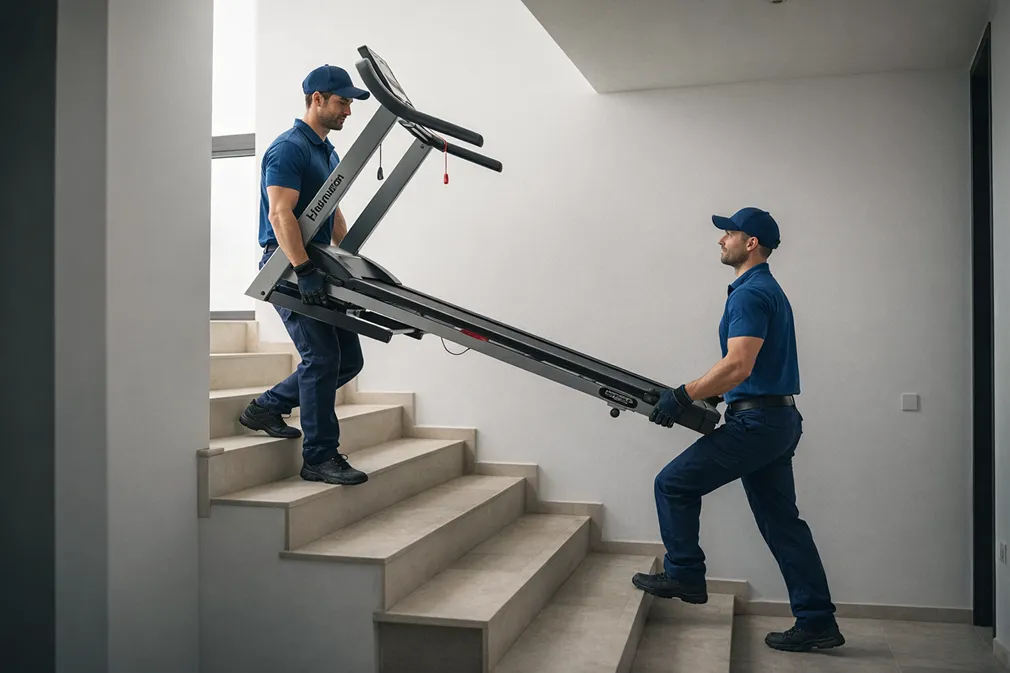
Healthcare equipment is often expensive, highly calibrated, and essential to daily operations. Imaging components, dental tools, exam room devices, lab instruments, and refrigerated units may require manufacturer guidelines, professional disconnection and reconnection, or strict transport conditions. Improper handling can lead to costly repairs, failed inspections, or delayed patient services.
A thorough relocation plan should identify which equipment needs specialized movers, which items require decontamination before transport, and which systems must be tested after installation. Labeling, room by room inventories, and installation sequencing can make a major difference in how quickly the clinical team can get back to work.
Reducing Downtime for Patients and Staff
Even a short closure can create scheduling backlogs, missed revenue, and frustration for patients who need ongoing care. That is why many healthcare moves are scheduled in phases, after hours, or over weekends whenever possible. The goal is to reduce downtime and create a predictable transition from the old facility to the new one.
Patients should receive clear communication about the move well in advance. Updated addresses, parking instructions, revised appointment details, and any temporary service changes should be shared through phone calls, email, text reminders, websites, patient portals, and office signage. Staff also need clear internal communication so they understand moving day responsibilities, reopening priorities, and workflows in the new space.
Compliance, Safety, and Operational Readiness
Healthcare providers must think carefully about compliance and readiness before reopening. Depending on the type of facility, that may include proper records handling, chain of custody procedures, infection control measures, disposal of outdated materials, and confirmation that treatment areas are fully set up before patient visits begin. A move is successful only when the new location is ready to support safe, efficient care.
Operational readiness also includes practical details that are easy to overlook in a complex move. Exam rooms should be stocked, lab areas organized, waiting rooms prepared, phones working, computers connected, and signage visible inside and outside the building. When these details are handled correctly, the first day in the new location feels organized rather than chaotic.
Supporting a Smooth Transition in Northern Virginia
For healthcare organizations in Alexandria and throughout Northern Virginia, relocation planning should account for local scheduling pressures, building access requirements, parking constraints, and the need to maintain dependable service in busy communities. With the right preparation, a medical move can protect sensitive assets, reduce downtime, and help the practice reopen with confidence.
In the end, a healthcare relocation is about continuity of care as much as transportation. The most effective moves are built around patient needs, staff coordination, equipment protection, and a clear reopening plan that keeps the organization focused on safe, uninterrupted service.

Medical Office Movers Should Start With Patient Care Continuity
The best medical relocations begin several months before moving day. That early timeline gives a practice enough room to review appointment patterns, notify patients, coordinate vendors, and build a schedule that reduces downtime instead of forcing a rushed closure.
Historical appointment volume is one of the most useful planning tools. A practice can look for seasonal lulls, school holidays, lighter weekdays, or other low-demand periods and place the heaviest move activity during those windows. The move plan should reflect the actual rhythm of the clinic, not only the lease date.
A phased schedule often works better than a single all-at-once move. Non-critical areas such as storage rooms, administrative offices, staff spaces, and older files can often be packed or transferred first. Patient-facing spaces, imaging capacity, and essential exam rooms can stay operational longer.
Some practices reserve one or two “dark” days with no in-person visits for the most disruptive work. Those blocks are useful for moving heavy equipment, completing IT cutover, validating systems, and confirming that rooms are ready for safe use. Telemedicine may help maintain follow-up care and medication management while in-office access is limited.
Patient communication needs to begin before the disruption is visible
Patients should not learn about a move when they arrive at the old address. Communication should begin well before the relocation through email, mailers, in-office signs, phone greetings, website updates, and social media posts.
Every message should clearly state the moving dates, new address, parking instructions, and how patients can access urgent care during the transition. Practices should also reassure patients that refills, therapies, and critical treatments will continue.
Staff should proactively reschedule appointments that conflict with move activity. This is especially important for visits tied to diagnostic equipment, procedures, recurring therapies, or prescriptions. A medical move can feel unsettling to patients, and clear communication reduces confusion.
Clinical access depends on coordinating records, systems, and space
Care continuity also depends on access to medical records. EHR vendors may need to complete address changes, interface updates, network configurations, or other system adjustments before the last day in the old location.
During the move, the practice should know how staff will reach patient information, which systems must remain live, and who is responsible for confirming access before appointments resume. Records planning belongs in the core relocation schedule, not on a separate administrative checklist.

Medical Equipment Movers Must Protect Diagnostic Machines Before, During, and After Transit
Advanced medical equipment requires a different level of planning than ordinary office contents. MRI, CT, X-ray, ultrasound, dental imaging, and other diagnostic systems depend on controlled handling, precise installation, and post-move validation before they return to patient use.
A detailed equipment inventory should come before packing. That inventory should capture asset tags, FDA device class where applicable, and operational status. Relocation records may need to be added to device history files, especially for regulated equipment.
Manufacturers’ specifications usually govern how diagnostic systems are powered down, deinstalled, packed, transported, reinstalled, and recalibrated. Practices should schedule OEM representatives or certified biomedical technicians for tasks such as safe shutdown, decontamination, locking moving parts, and post-move calibration.
This is where experienced specialty moving for delicate and valuable items becomes especially relevant. For healthcare moves, the physical handling plan should align with the equipment vendor’s requirements and the practice’s internal compliance process.
Transport controls should match the value and sensitivity of the device
High-value diagnostic equipment needs protection from vibration, shock, tilt, dust, and uncontrolled movement. Standard pads and straps are not enough for many clinical systems.
Common safeguards include custom crating, foam-in-place or shock-absorbing materials, heavy padding, lift-gates, adjustable tie-down systems, and air-ride vehicles. The goal is to reduce unnecessary vibration and prevent shifting during loading, transport, and unloading.
Environmental monitoring can add another layer of protection. Shock, tilt, temperature, and humidity data loggers may be installed according to OEM tolerances. Those monitors should remain active and sealed throughout transport, then be reviewed before equipment is returned to service.
Recalibration belongs in the move schedule, not after reopening
Diagnostic equipment should not be booked for patient use until it has been inspected, calibrated, and validated at the new location. That means patient scheduling must account for post-arrival technical work.
If the imaging suite is expected to reopen Monday morning, the relocation plan needs enough time before that point for installation, testing, and correction of any issues. The cost of moving too quickly can be canceled appointments and unnecessary patient frustration.
Lab Movers Need Inventory Control, Specialized Packing, and Clear Boundaries
Laboratory relocation brings its own risks. Fragile instruments, glassware, temperature-sensitive inventory, chemicals, biological materials, sterile supplies, and regulated waste cannot be treated as one general category of “lab contents.”
A proper lab move begins with inventory and categorization. Items should be separated into practical groups before packing begins. Expired or unnecessary chemicals and supplies should be disposed of according to environmental and safety rules before the move, reducing both volume and risk.
Different materials require different packing methods. Temperature-sensitive or cryogenic samples may require liquid-nitrogen dry shippers with temperature monitoring. Fragile glassware and analytical instruments need high-quality cushioning and rigid outer containers. Hazardous chemicals may need upright packing, compatible secondary containment, absorbent materials, and hazard labeling.
Biological materials and regulated medical waste may need to be excluded from the general move entirely. In those cases, specialized biohazard or medical waste contractors should handle packaging, documentation, and transport.
Clinical supplies should be packed for a fast first day
Sterile supplies, disposables, small devices, and room-specific consumables should be packed to protect sterility and speed up restocking. A box that simply says “supplies” slows down reopening.
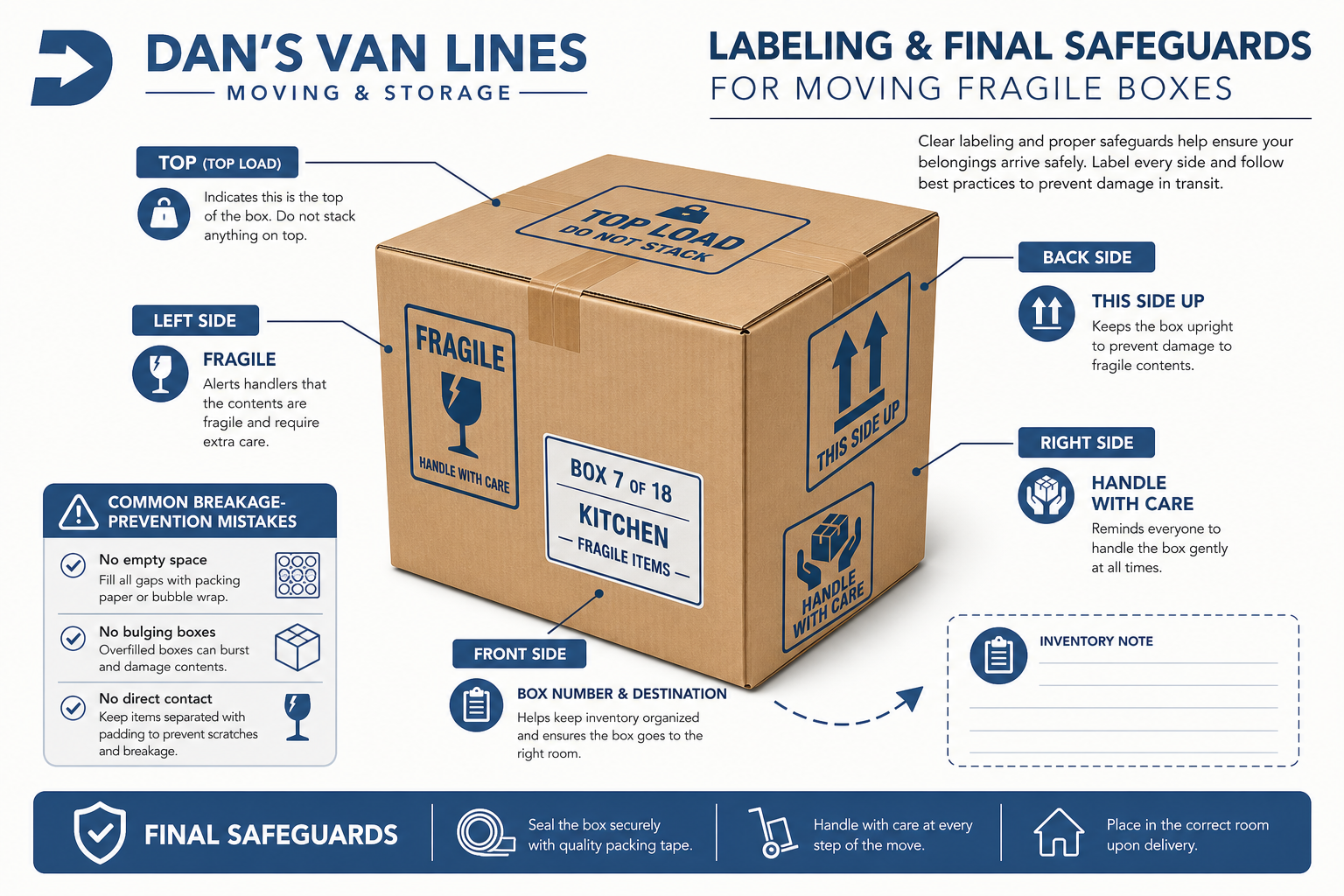
Better labeling includes contents and destination rooms. Color coding by department or room can also help movers and staff place cartons accurately. The more precise the labels, the less time clinical staff spend searching for essentials after the move.
Practices should also set aside day-one kits. These kits contain the essential items needed for the first days after reopening, so the team can resume patient care even while secondary supplies are still being organized.
Vendor timing matters for reagents, implants, disposables, and pharmaceuticals
Relocation planning should include suppliers. Vendors providing reagents, implants, disposables, pharmaceuticals, or other clinical inventory need accurate go-live dates and delivery instructions.
New deliveries should be timed for the new location, not the office that is closing. Misrouted supplies can delay reopening, create storage problems, or force staff to spend critical setup time tracking down inventory.
Secure Temporary Storage Can Keep a Phased Healthcare Move Organized
Temporary storage is often useful when a healthcare relocation happens in stages. Lease overlap, delayed build-outs, equipment installation windows, and phased department moves can all create gaps between packing and final placement.
For labs, at least 30 days of overlap between facilities can reduce pressure and allow staged movement. Non-essential equipment, furniture, archived materials, or overflow supplies may be stored off-site until the new space is fully ready.
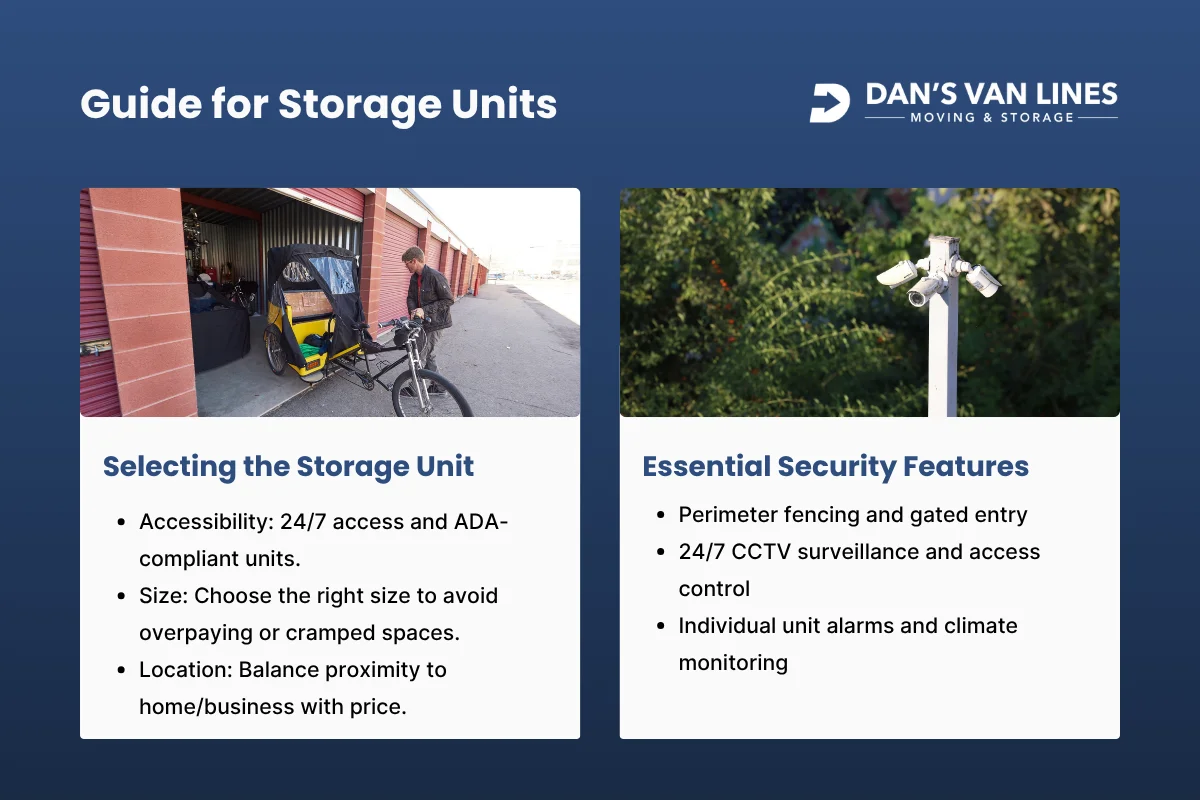
Healthcare storage should not function like ordinary self-storage. Medical equipment, electronics, sterile supplies, records, and regulated materials require controlled access, physical security, and appropriate environmental protection from temperature, humidity, and dust.
For biological materials or temperature-sensitive lab inventory, specialized cold-storage or biological storage facilities may be needed. Liquid-nitrogen or ultra-low-temperature storage services are more appropriate than general warehouse space for those categories.
Chain of custody matters whenever items leave direct practice control
Storage creates a custody question. Once equipment, records, samples, or regulated materials leave the office, the practice needs to know what moved, who handled it, where it was stored, and who received it back.
Inventory lists, destination labels, numbered crates, bar-coded tracking, and access logs all help create a reliable record. This is especially relevant for research samples, controlled substances, regulated materials, locked record cartons, and high-value clinical equipment.
Our secure storage solutions can support staged relocations when practices need short-term space between move phases. The storage plan should separate medical equipment and records from general freight and document custody whenever items enter or leave the warehouse.
Healthcare Compliance Should Shape the Entire Move Plan
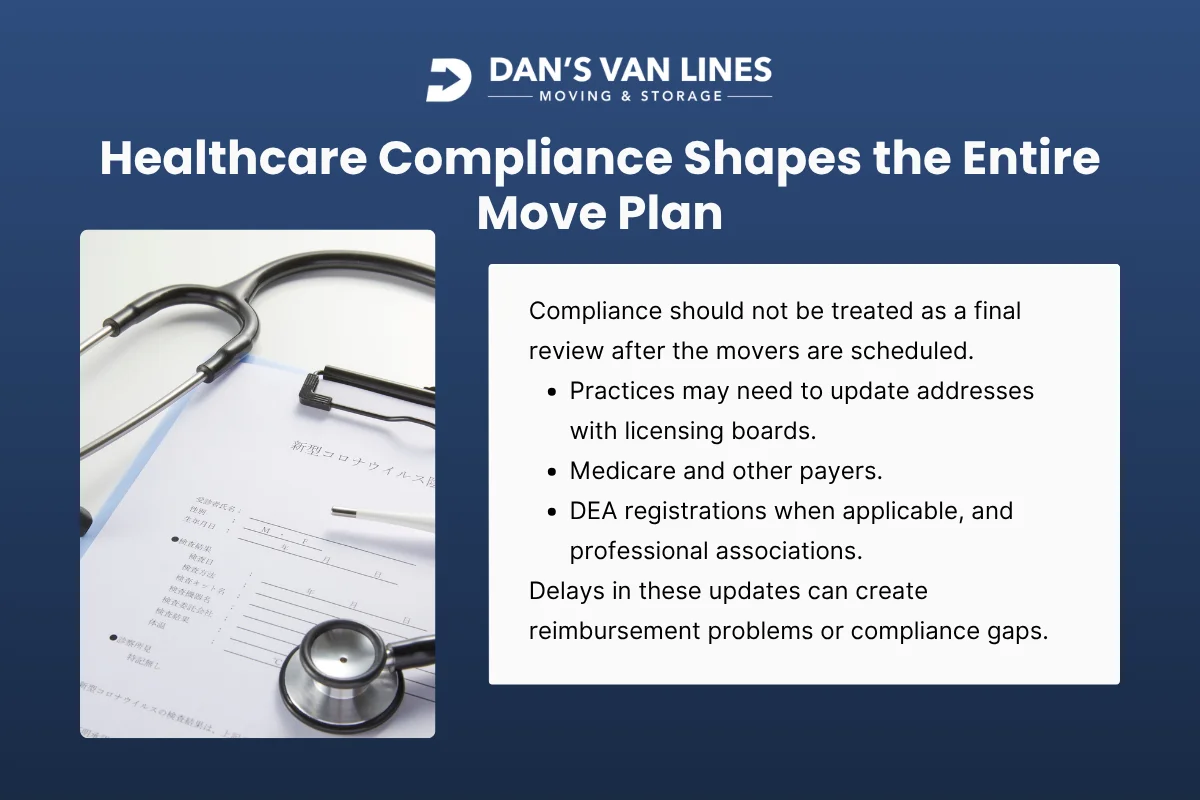
Healthcare relocations intersect with patient privacy, medical device records, occupational safety, transportation rules, facility standards, and payer requirements. Compliance should not be treated as a final review after the movers are scheduled.
Practices may need to update addresses with licensing boards, Medicare and other payers, DEA registrations when applicable, and professional associations. Delays in these updates can create reimbursement problems or compliance gaps.
The new facility also needs to meet ADA accessibility, life-safety, and infection control standards before patients are seen. A beautiful new office is not ready if critical regulatory and operational requirements are unfinished.
PHI and IT systems require controlled handling during the move
Patient information must remain protected and accessible throughout the transition. EHR vendors, billing companies, and network providers may need to adjust configurations and security controls before the practice opens at the new address.
Paper charts, backup media, and record cartons should travel in locked containers with limited access. No PHI should be left unsecured in vacated space, placed in unmarked open boxes, or discarded improperly during cleanout.
A records handling plan should identify who packs records, who can access them, how cartons are sealed, where they are staged, and who confirms receipt at the new site. The same planning discipline used for equipment should apply to patient information.
Compliance officers, EHS managers, and move supervisors should plan together
Medical and lab relocations work best when the right people are involved early. Compliance officers, EHS managers, IT vendors, biomedical technicians, department leads, and move supervisors should review the plan before packing begins.
For labs, an EHS manager may need to oversee decontamination, waste disposal, hazardous material permits, and GMP-related requirements where applicable. For equipment, relocation records and transportation permits may need to be archived with facility compliance materials.
These details affect the move sequence. A room cannot be packed before decontamination is complete. A regulated item cannot enter storage without proper tracking. A device should not be returned to service until the required inspection and validation steps are finished.
Qualified Medical Office, Lab, and Equipment Movers Should Meet Healthcare-Specific Criteria
Standard office moving experience is not enough for a healthcare relocation that includes clinical rooms, regulated materials, diagnostic equipment, or active patient schedules. Practices should evaluate movers based on healthcare-specific capability.
The right questions are practical. Has the mover handled similar facilities, such as medical practices, dental offices, imaging centers, ambulatory surgery centers, or labs? Can they provide healthcare references? Do they explain how sensitive, fragile, or regulated items are handled?
Vehicle and equipment capabilities also matter. Medical equipment movers should have access to air-ride suspension, lift-gates, padded interiors, adjustable tie-downs, specialized crating, and rigging support where needed. Insurance limits should match the value of high-end equipment.
For lab movers, inventory tracking and coordination are just as important as lifting and loading. The mover should be able to work with hazardous-waste vendors, biohazard contractors, EHS managers, OEMs, and biomedical service providers rather than trying to handle every category themselves.
Planning participation is a sign of a qualified healthcare mover
A qualified mover should participate in planning meetings and walkthroughs of both the current and future locations. These visits help identify access restrictions, tight turns, elevator limitations, floor-loading concerns, staging areas, and rigging needs.
Pre-move risk assessments are especially useful for imaging suites, labs, dental operatories, and procedure areas. They allow the team to solve problems before moving day instead of discovering them while a diagnostic unit is already on a truck.
Move supervisors should understand the floor plan, room priorities, labeling system, and reopening schedule. The goal is not only safe transport. It is accurate placement that supports fast clinical restart.

Post-Move Setup Should Prioritize the Rooms and Systems Needed for Reopening
Reopening speed depends on what happens before the final truck arrives. When possible, practices should begin setting up the new office weeks before the official move date. Cabling, furniture, network systems, phone systems, and pre-delivered equipment can often be installed in advance.
Clinical operations should guide the setup sequence. Registration, scheduling, payment workflows, exam rooms, procedure rooms, imaging suites, and core lab capabilities need priority because they support day-one patient care.
For labs, timelines should reserve specific windows for equipment decommissioning at the old site, followed by reinstallation, calibration, and validation at the new location. Routine work should resume only after the necessary checks are complete.
A soft opening can reveal problems before full patient volume returns
A soft opening gives staff a chance to simulate a normal clinic day while appointment volume remains intentionally low. This trial run can test patient flow, room assignments, equipment placement, IT systems, phone routing, emergency procedures, and staff movement.
Small problems are easier to fix before the schedule is full. Signage may need adjustment. A printer may be in the wrong location. A supply cabinet may not match the way clinicians actually move through the room.
After the move, practices should gather feedback from staff and patients. That feedback can guide workflow changes, signage updates, room reassignments, and supply placement improvements.
Final administrative checks protect revenue and referral flow
Reopening is not complete when the furniture is in place. The practice should confirm that payer updates, licensing authority changes, DEA information, lab partner records, hospital affiliations, referral pathways, and claims workflows are functioning correctly.
Even a well-executed physical move can create operational friction if administrative systems lag behind. A final review helps catch problems before they affect billing, referrals, prescriptions, or patient communication.
Build the Move Around the First Patient Day, Not the Last Moving Truck
The most effective healthcare relocation plan works backward from the first day patients return. Every schedule choice, packing method, storage decision, equipment handoff, and compliance step should support that reopening date.
Medical office movers, lab movers, and medical equipment movers all play different roles in that outcome. The practice still needs internal leadership from administrators, clinicians, compliance staff, IT vendors, EHS managers, and equipment specialists.
When those groups coordinate early, the move becomes more predictable. Patients know where to go. Records remain protected. Equipment arrives with the right handling controls. Supplies are ready in the right rooms. Staff can focus on care instead of searching for boxes.
If your Northern Virginia practice is planning a healthcare relocation, Dan’s Van Lines can help you build a move plan around patient care, equipment protection, secure handling, and fast reopening. Call (703) 553-0900 or Get a Quote to start planning your move.

















.webp)
%20(1).webp)
.webp)

.webp)

.webp)
.webp)
.webp)




.avif)
%201.svg)

%201.svg)
%201.svg)